

High-Performance Capillary Electrophoresis Systems and Accessories
Capillary electrophoresis (CE) has become a foundational technology for high-resolution separation in modern laboratories. Unlike traditional slab gel techniques, a CE system uses narrow-bore capillaries to perform separations with exceptional speed and efficiency. These systems separate ionic species based on their charge-to-radius ratio by applying high voltage across buffer-filled capillaries. This electrokinetic process allows for the precise analysis of diverse analytes, ranging from small inorganic ions to large biopharmaceuticals.read more
For researchers requiring high-throughput capabilities, the standard electrophoresis system has evolved significantly. Modern platforms automate the entire workflow, from sample injection to final data processing. This automation minimizes manual intervention, ensuring that every sample is processed with high reproducibility. CE offers a versatile alternative to liquid chromatography for purity checks and complex sequencing, particularly when sample conservation is critical owing to the nanoliter volumes required for injection.
What Features Define an Advanced Capillary Electrophoresis System?
The contemporary laboratory market offers a diverse range of CE platforms designed to meet rigorous analytical demands. A high-quality capillary electrophoresis instrument incorporates several sophisticated features that enhance performance and data integrity.
- High-Sensitivity Detection: The integration of advanced detection methods, such as laser-induced fluorescence (LIF) and UV-vis absorbance, allows the instrument to identify analytes at picomolar concentrations.
- Automated Sample Handling: To maximize efficiency, the system often includes robotic autosamplers capable of handling 96-well plates. This ensures continuous operation and consistent sample injection without user oversight.
- Precise Temperature Control: Maintaining a stable temperature within the capillary is vital for reproducibility. Modern units feature liquid or Peltier cooling to dissipate heat generated during electrophoresis, preventing band broadening.
- Multi-Capillary Arrays: For high-throughput environments, a capillary electrophoresis system may utilize parallel arrays. This design allows simultaneous separation of multiple samples, significantly reducing the total analysis time per batch.
Where Are the Most Important Capillary Electrophoresis Applications in Biopharma?
The versatility of CE extends across various sectors, with a profound impact on the biopharmaceutical industry and life sciences academia. The ability to separate molecules based on size and charge makes CE indispensable for quality control and discovery.
- Protein Characterization: CE is the gold standard for analyzing monoclonal antibodies. Techniques like capillary isoelectric focusing (cIEF) allow for the detailed analysis of charge heterogeneity and protein purity.
- Nucleic Acid Analysis: In genomics, capillary gel electrophoresis provides the resolution needed for Sanger sequencing and fragment analysis. The gel matrix effectively sieves DNA fragments, delivering precise sizing data.
- Forensic Identification: Forensic labs rely on the capillary electrophoresis instrument for human identification. The technology swiftly profiles short tandem repeats (STRs) from minute biological traces.
- Chiral Separations: In drug development, a CE application is often developed to separate enantiomers. This ensures that only the therapeutically active form of a drug is present in the final formulation.
Showing 1–12 of 47 results
Category
- Bioreactors+
- Parallel Bioreactors
- Single-Use Bioreactors
- Stirred-Tank Bioreactors
- Capillary Electrophoresis Instruments+
- Capillary Gel Electrophoresis (CGE)
- Capillary Isoelectric Focusing (CIEF)
- Capillary Zone Electrophoresis (CZE)
- Cell Counters and Analyzers+
- Automated Cell Counters
- Manual Cell Counters
- Cellular Imaging Systems+
- Fluorescence Imaging Systems
- High-Content Imaging Systems
- Live-Cell Imaging Systems
- Centrifuges+
- Benchtop Centrifuges
- Clinical Centrifuges
- Micro Centrifuges
- Refrigerated Centrifuges
- Ultracentrifuges
- Chromatography Instruments+
- Gas Chromatography
- Ion Chromatography
- Liquid Chromatography
- Flow Cytometer+
- Cell Analyzers
- Cell Isolation Systems
- Cell Sorters
- High-Throughput Flow Cytometers
- Imaging Flow Cytometry
- Personal Flow Cytometers
- Portable/Benchtop Flow Cytometers
- Spectral Flow Cytometers
- Laboratory Incubators+
- CO2 Incubators
- Dry Bath Incubators
- Hypoxia Incubators and Chambers
- Incubator Shakers
- Laboratory Ovens
- Portable Incubators
- Thermal Mixers
- Laboratory Microscopes+
- Atomic Force Microscopes (AFM)
- Automated Modular Microscopes
- Compound Microscopes
- Confocal Microscopes
- Digital Microscopes
- Fluorescence Microscopes
- Inverted Microscopes
- Live Cell Imaging Microscopes
- Metallurgical Microscopes
- Multiphoton Microscopes
- Polarizing Microscopes
- Raman Microscopes
- Scanning Electron Microscopes (SEM)
- Stereo Microscopes
- Super-Resolution Microscopes
- Transmission Electron Microscopes (TEM)
- Upright Microscopes (Neuroscience)
- Liquid Handlers+
- Automated Pipetting Systems
- Multi-Channel Liquid Handlers
- Robotic Liquid Handlers
- Variable Volume Pipetting Systems
- Mass Spectrometers+
- Ambient Ionization
- APCI MS
- ESI MS
- FT ICR MS
- ICP MS
- Orbi Trap MS
- Quadrupole MS
- Time-of-Flight MS
- Microarray Scanners+
- DNA Microarray Scanners
- Laser-Based Microarray Scanners
- Microplate Readers+
- Absorbance Microplate Readers
- Fluorescence Microplate Readers
- Luminescence Microplate Readers
- Multimode Microplate Readers
- Particle Counters and Analyzers+
- Airborne Particle Counters
- Laser Diffraction Analyzers
- Liquid Particle Counters
- Nanoparticle Analyzers
- Portable Particle Counters
- Remote Particle Counters
Brand
- ACCU-SCOPE
- Agilent
- Airmodus
- Alphasense
- Analytik Jena
- ARGO-HYTOS
- Arrayit
- Aurora Biomed Inc.
- Azure Biosystems
- Baker
- BD Biosciences
- Beckman Coulter
- Beijing Challen Biotechnology
- Binder
- Bio-Techne
- Biobase
- BioRad
- BMG Labtech
- Bruker
- Celestron
- Cellbox
- Centurion Scientific Ltd
- ChemoMetec
- CleanAir
- Cleatech
- Corning
- Countstar
- CS Instruments
- CUBIC
- Cytek Biosciences
- Cytena
- Cytiva
- Data Technologies
- Descase
- Electrolab Biotech
- Eppendorf
- Euromex
- Evident
- Fermex
- Fluke
- Formulatrix
- Getinge
- Gilson
- GPC Bio
- Haier Biomedical
- Hamilton Company
- Hettich
- Hitachi High-Tech
- Hudson Robotics Inc.
- Hydro
- INFORS HT
- Innopsys
- Jasco
- Jeiotech
- JEOL
- Kanomax
- Keyence
- KNAUER
- LAB-KITS
- Labomed
- Labwit
- Leco
- Leica
- Lighthouse
- Logos Biosystems
- LOSI
- Lumex Instruments
- Luminex
- Malvern Panalytical
- Meiji Techno
- Memmert
- Merck
- Mettler-Toledo International Inc.
- Miltenyi Biotec
- Molecular Devices
- Motic
- MP Filtri
- MSE (Medical and Scientific Equipment)
- NCI
- Nikon Instruments
- NuAire
- ORFLO Technologies
- Oxford Instruments
- PAMAS
- Particle Measuring Systems
- Particles Plus
- PBS Biotech
- PCE instruments
- PerkinElmer
- PharSol
- PHCbi
- Prior Scientific
- Promega
- Qiagen NV
- Revvity
- RION
- Sartorius
- SATAKE
- Sciex
- Sebia
- SETA
- Setra
- Shimadzu
- SIBATA
- Sigma Laborzentrifugen GmbH
- Solaris Biotech
- Solida Biotech
- Sony Biotechnology Inc.
- SPT Labtech Ltd
- Stratedigm Inc.
- Sysmex Corporation
- Tecan
- TES
- Thermo Fisher Scientific
- TSI
- Waters
- Western States Machine Company
- ZEISS
- ZETRON
-
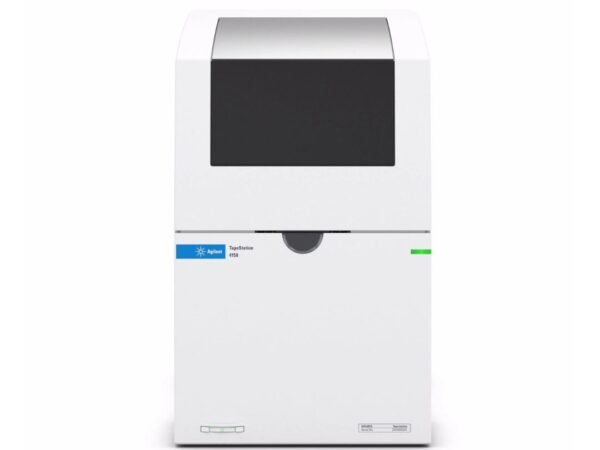
Agilent 4150 TapeStation System
The Agilent 4150 TapeStation System is designed for efficient and accurate electrophoresis, supporting a wide range of applications in genomics, prote...
-
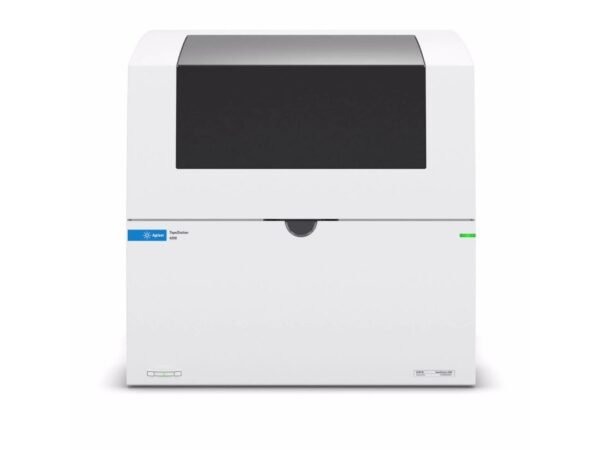
Agilent 4200 TapeStation System
The Agilent 4200 TapeStation System provides high-throughput automated DNA and RNA analysis, enabling reliable and reproducible results for genomics a...
-
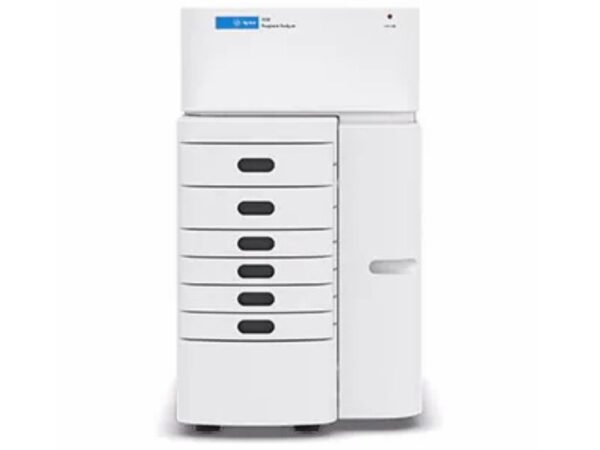
Agilent 5200 Fragment Analyzer System
The Agilent 5200 Fragment Analyzer System provides accurate, automated analysis of DNA, RNA, and fragments, ideal for genomics research and quality co...
-
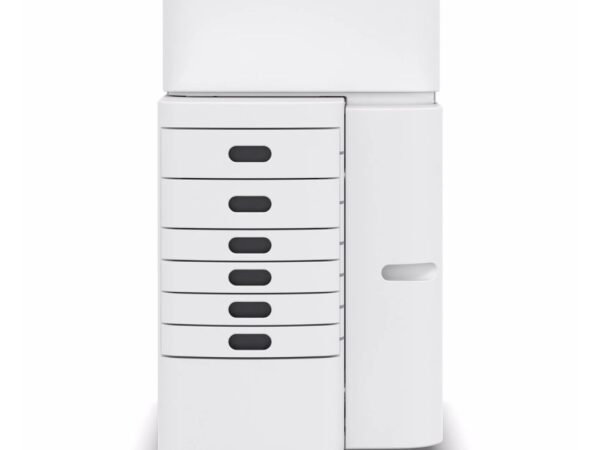
Agilent 5300 Fragment Analyzer System
The Agilent 5300 Fragment Analyzer System ensures accurate, automated assessment of DNA and RNA samples, enabling reliable workflows for genomics and ...
-
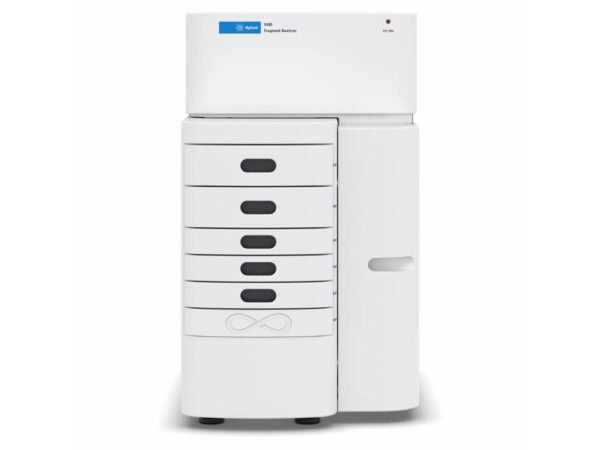
Agilent 5400 Fragment Analyzer System
The Agilent 5400 Fragment Analyzer System enables automated, high-resolution nucleic acid analysis, ensuring accuracy and reliability for research and...
-
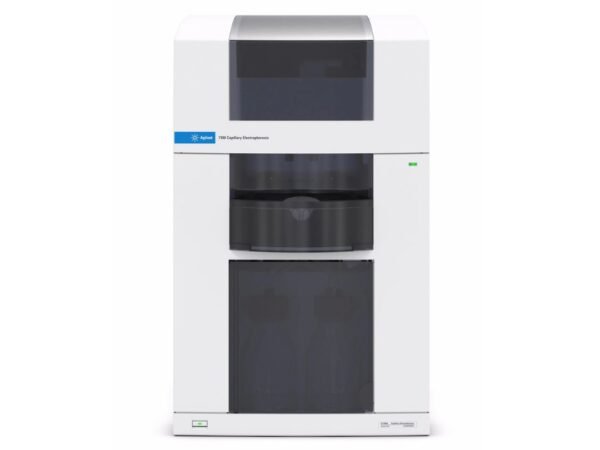
Agilent 7100 CE System
Advanced capillary electrophoresis system for accurate, flexible, and efficient analysis.
-

Agilent CE/MS System
The Agilent CE-MS System combines capillary electrophoresis with mass spectrometry, enabling sensitive, detailed analysis of biomolecules, metabolites...
-
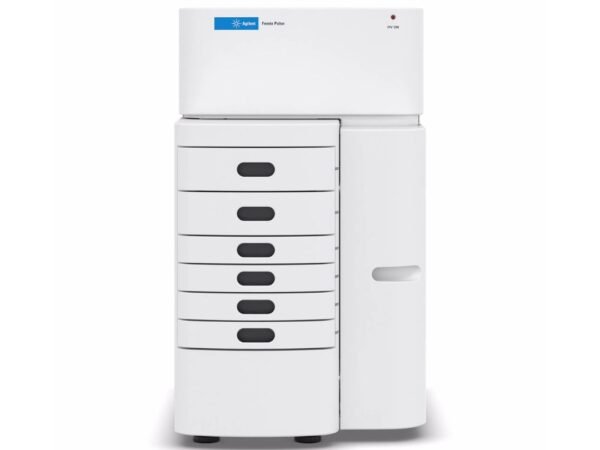
Agilent Femto Pulse System
The Agilent Femto Pulse System enables ultra-sensitive analysis of DNA and RNA using pulsed-field electrophoresis, offering precision for challenging ...
-
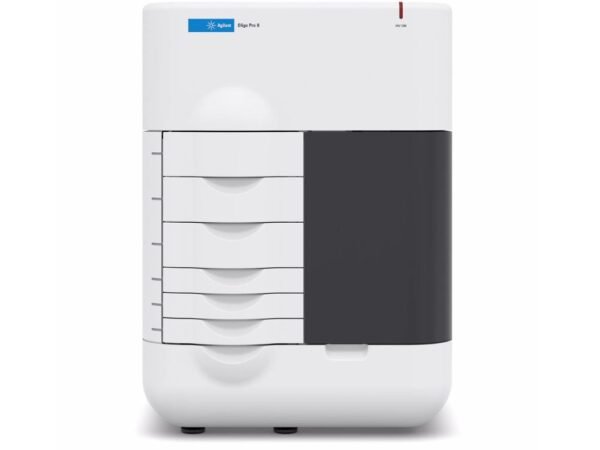
Agilent Oligo Pro II System
The Agilent Oligo Pro II System enables automated oligonucleotide quality assessment, delivering accurate and reproducible analysis for research and b...
-
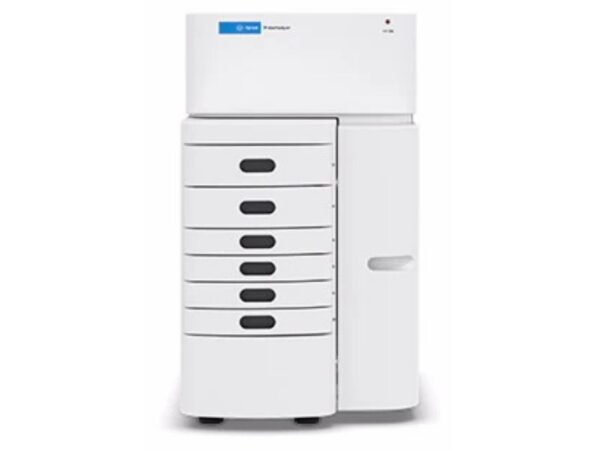
Agilent ProteoAnalyzer System
The Agilent ProteoAnalyzer System delivers automated protein electrophoresis, offering accurate and reproducible analysis for proteomics research and ...
-
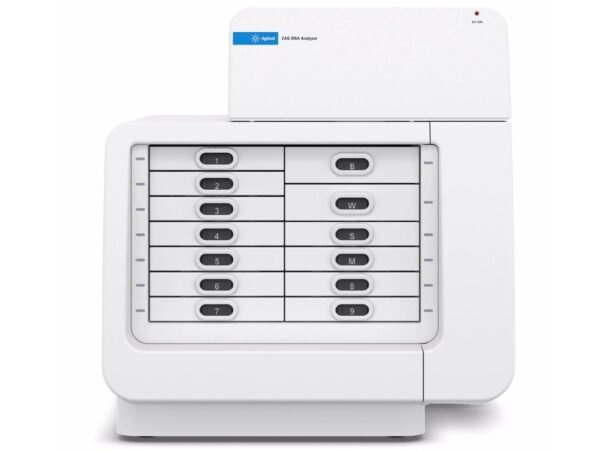
Agilent ZAG DNA Analyzer System
The Agilent ZAG DNA Analyzer System offers fast, automated, and high-resolution DNA fragment analysis, making it ideal for genomics and molecular biol...
-

Bio-Techne Maurice
Automated imaging capillary electrophoresis system delivering rapid, quantitative protein characterization in a compact, reliable platform.