

Refrigerated Centrifuges
Refrigeration is a valuable enhancement in modern laboratory centrifuges, allowing precise temperature control during high-speed operations. These centrifuges typically maintain temperatures from –20°C to 40°C, making them ideal for temperature-sensitive procedures such as DNA, RNA, PCR, and antibody analyses. By keeping samples cool, they prevent degradation caused by heat generated during rapid spinning. Capable of reaching speeds above 30,000 rpm and achieving relative centrifugal forces exceeding 65,000 × g, refrigerated models deliver powerful performance. Available in both swing-bucket and fixed-angle configurations, they can accommodate various rotors, tubes, and well plates, with capacities up to 4 × 500 mL. When selecting a refrigerated centrifuge, it is advisable to consider models with advanced cooling efficiency, automatic unit conversion, and features that support high-throughput workflows.read more
Key Features of Refrigerated Centrifuges
- Modern refrigerated benchtop centrifuges combine large sample capacities, handling up to 4 × 1,000 mL, with a compact, ergonomic design. Swing-bucket rotors accommodate both tubes and plates without frequent rotor changes, enhancing efficiency. This flexibility makes them suitable for high-throughput, clinical, and molecular biology applications.
- The systems support a wide range of tubes, bottles, and microplates, from 0.2 mL microtubes to 1,000 mL bottles. Plate rotor options allow centrifugation of PCR, MTP, and deepwell plates, extending their application range. Fixed-angle rotors enable high-speed performance for molecular biology workflows.
- State-of-the-art refrigeration systems ensure precise and consistent cooling throughout the centrifugation process. Continuous temperature maintenance safeguards sensitive samples even after runs are complete. Fast pre-cooling and programmable cooling options ensure the system is ready exactly when needed.
- Built-in ECO shut-off functions reduce power consumption after periods of non-use, extending compressor lifespan. Dynamic compressor control provides accurate temperature regulation while minimizing energy waste. These features promote sustainable operation without compromising performance.
- Automatic rotor recognition, imbalance detection, and aerosol-tight lids ensure safe and reliable performance. Quiet operation and soft-touch lid closures improve comfort and usability in the laboratory. Large, backlit displays and memory storage for multiple programs simplify daily workflows.
- Despite their high capacity, these centrifuges maintain a small footprint, saving valuable bench space. Ergonomic access heights and condensation drains prevent corrosion and ease maintenance. Their robust build and adaptable rotor systems make them ideal for routine and demanding applications alike.
Applications
- Biotech and molecular research: Small refrigerated centrifuges are essential for isolating DNA, RNA, and proteins with high precision and reproducibility. Temperature control safeguards sensitive enzymes and lysates throughout the procedure.
- Clinical testing laboratories: Refrigerated centrifuge machines are commonly used for separating blood components, plasma, and urine sediments while preserving sample integrity. The integrated cooling system ensures biomolecules remain stable during processing. These centrifuges are extensively used in blood banking and transfusion medicine to separate plasma and serum efficiently. They also play a key role in microbiology, virology, immunology, and serology testing by aiding in pathogen isolation and preparing samples for antibody or antigen analysis.
- Pharmaceutical analysis and production: The centrifuges are essential in drug discovery and development for separating and purifying compounds during formulation studies. They are also used for quality control of pharmaceutical products, ensuring consistency and purity. In biologics production and characterization, they help isolate proteins, cells, or viral particles. Additionally, they support vaccine development and testing by maintaining precise sample conditions during processing.
- Food quality and safety testing: The machines are used for assessing components such as fats, milk proteins, and other residues with temperature-regulated centrifugation. This helps maintain consistency and accuracy in quality testing.
- Educational and research institutions: The systems are frequently utilized in universities and research centers for teaching laboratory techniques and conducting experimental studies. They support hands-on learning and promote accuracy in scientific training.
- Agricultural and veterinary research: Centrifuges are used for analyzing biological samples related to animal husbandry and breeding studies. They assist in veterinary diagnostics by separating blood, serum, or other fluids for disease detection. Additionally, they support agriculture and crop research by processing plant extracts and studying cellular components.
- Forensic and criminal investigation: The benchtop machines are used for DNA and RNA extraction to support accurate forensic analysis. They also help separate forensic samples such as blood, hair, and tissues for further examination.
Showing 1–12 of 134 results
Category
- Bioreactors+
- Parallel Bioreactors
- Single-Use Bioreactors
- Stirred-Tank Bioreactors
- Capillary Electrophoresis Instruments+
- Capillary Gel Electrophoresis (CGE)
- Capillary Isoelectric Focusing (CIEF)
- Capillary Zone Electrophoresis (CZE)
- Cell Counters and Analyzers+
- Automated Cell Counters
- Manual Cell Counters
- Cellular Imaging Systems+
- Fluorescence Imaging Systems
- High-Content Imaging Systems
- Live-Cell Imaging Systems
- Centrifuges+
- Benchtop Centrifuges
- Clinical Centrifuges
- Micro Centrifuges
- Refrigerated Centrifuges
- Ultracentrifuges
- Chromatography Instruments+
- Gas Chromatography
- Ion Chromatography
- Liquid Chromatography
- Flow Cytometer+
- Cell Analyzers
- Cell Isolation Systems
- Cell Sorters
- High-Throughput Flow Cytometers
- Imaging Flow Cytometry
- Personal Flow Cytometers
- Portable/Benchtop Flow Cytometers
- Spectral Flow Cytometers
- Laboratory Incubators+
- CO2 Incubators
- Dry Bath Incubators
- Hypoxia Incubators and Chambers
- Incubator Shakers
- Laboratory Ovens
- Portable Incubators
- Thermal Mixers
- Laboratory Microscopes+
- Atomic Force Microscopes (AFM)
- Automated Modular Microscopes
- Compound Microscopes
- Confocal Microscopes
- Digital Microscopes
- Fluorescence Microscopes
- Inverted Microscopes
- Live Cell Imaging Microscopes
- Metallurgical Microscopes
- Multiphoton Microscopes
- Polarizing Microscopes
- Raman Microscopes
- Scanning Electron Microscopes (SEM)
- Stereo Microscopes
- Super-Resolution Microscopes
- Transmission Electron Microscopes (TEM)
- Upright Microscopes (Neuroscience)
- Liquid Handlers+
- Automated Pipetting Systems
- Multi-Channel Liquid Handlers
- Robotic Liquid Handlers
- Variable Volume Pipetting Systems
- Mass Spectrometers+
- Ambient Ionization
- APCI MS
- ESI MS
- FT ICR MS
- ICP MS
- Orbi Trap MS
- Quadrupole MS
- Time-of-Flight MS
- Microarray Scanners+
- DNA Microarray Scanners
- Laser-Based Microarray Scanners
- Microplate Readers+
- Absorbance Microplate Readers
- Fluorescence Microplate Readers
- Luminescence Microplate Readers
- Multimode Microplate Readers
- Particle Counters and Analyzers+
- Airborne Particle Counters
- Laser Diffraction Analyzers
- Liquid Particle Counters
- Nanoparticle Analyzers
- Portable Particle Counters
- Remote Particle Counters
Brand
- ACCU-SCOPE
- Agilent
- Airmodus
- Alphasense
- Analytik Jena
- ARGO-HYTOS
- Arrayit
- Aurora Biomed Inc.
- Azure Biosystems
- Baker
- BD Biosciences
- Beckman Coulter
- Beijing Challen Biotechnology
- Binder
- Bio-Techne
- Biobase
- BioRad
- BMG Labtech
- Bruker
- Celestron
- Cellbox
- Centurion Scientific Ltd
- ChemoMetec
- CleanAir
- Cleatech
- Corning
- Countstar
- CS Instruments
- CUBIC
- Cytek Biosciences
- Cytena
- Cytiva
- Data Technologies
- Descase
- Electrolab Biotech
- Eppendorf
- Euromex
- Evident
- Fermex
- Fluke
- Formulatrix
- Getinge
- Gilson
- GPC Bio
- Haier Biomedical
- Hamilton Company
- Hettich
- Hitachi High-Tech
- Hudson Robotics Inc.
- Hydro
- INFORS HT
- Innopsys
- Jasco
- Jeiotech
- JEOL
- Kanomax
- Keyence
- KNAUER
- LAB-KITS
- Labomed
- Labwit
- Leco
- Leica
- Lighthouse
- Logos Biosystems
- LOSI
- Lumex Instruments
- Luminex
- Malvern Panalytical
- Meiji Techno
- Memmert
- Merck
- Mettler-Toledo International Inc.
- Miltenyi Biotec
- Molecular Devices
- Motic
- MP Filtri
- MSE (Medical and Scientific Equipment)
- NCI
- Nikon Instruments
- NuAire
- ORFLO Technologies
- Oxford Instruments
- PAMAS
- Particle Measuring Systems
- Particles Plus
- PBS Biotech
- PCE instruments
- PerkinElmer
- PharSol
- PHCbi
- Prior Scientific
- Promega
- Qiagen NV
- Revvity
- RION
- Sartorius
- SATAKE
- Sciex
- Sebia
- SETA
- Setra
- Shimadzu
- SIBATA
- Sigma Laborzentrifugen GmbH
- Solaris Biotech
- Solida Biotech
- Sony Biotechnology Inc.
- SPT Labtech Ltd
- Stratedigm Inc.
- Sysmex Corporation
- Tecan
- TES
- Thermo Fisher Scientific
- TSI
- Waters
- Western States Machine Company
- ZEISS
- ZETRON
-
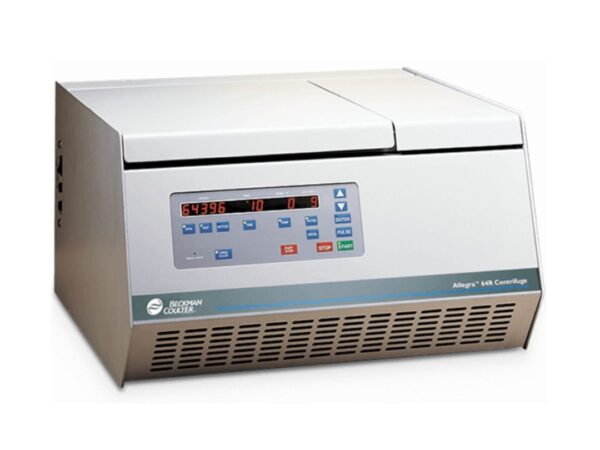
Beckman Coulter Allegra 64R Product No 367584
Allegra 64R delivers reliable high-speed centrifugation with advanced controls and flexible rotor compatibility for diverse lab tasks.
-
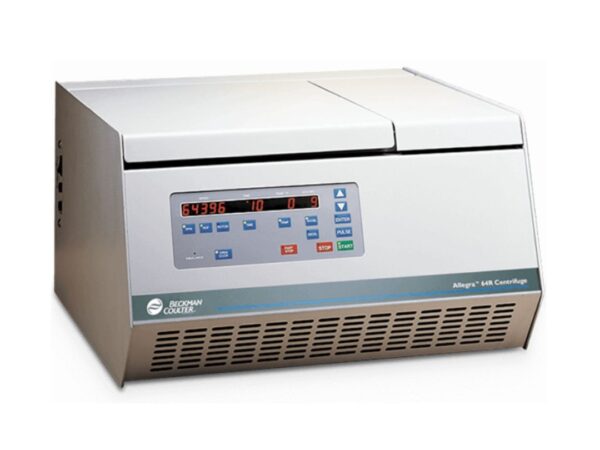
Beckman Coulter Allegra 64R Product No 367585
Designed for general lab use, the Allegra 64R provides dependable performance with multiple rotors and easy-to-use digital controls.
-
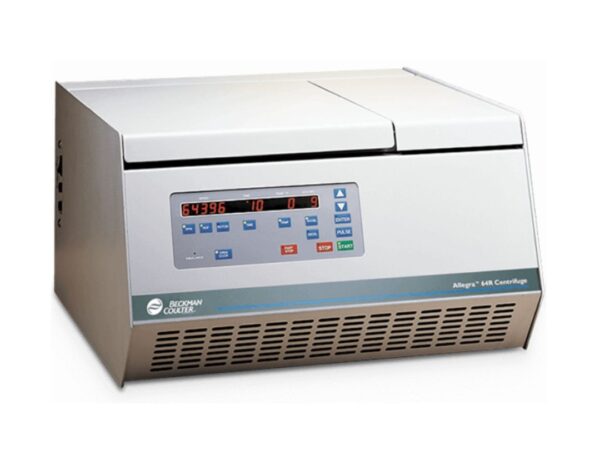
Beckman Coulter Allegra 64R Product No 367586
This Allegra 64R offers versatile centrifugation with enhanced safety features and reliable performance for laboratory applications.
-
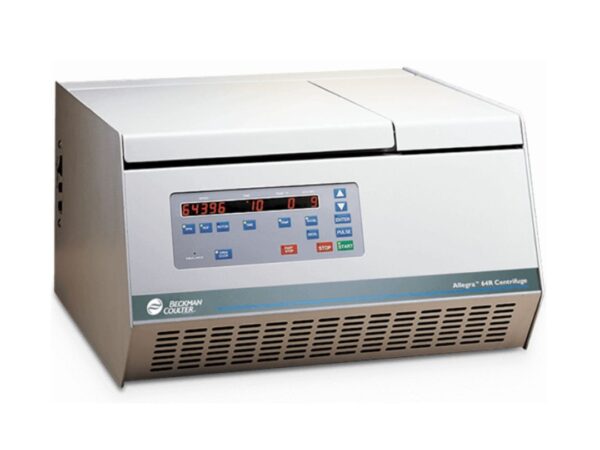
Beckman Coulter Allegra 64R Product No:367587
Allegra 64R offers robust high-speed centrifugation with advanced digital controls and flexible rotor compatibility.
-
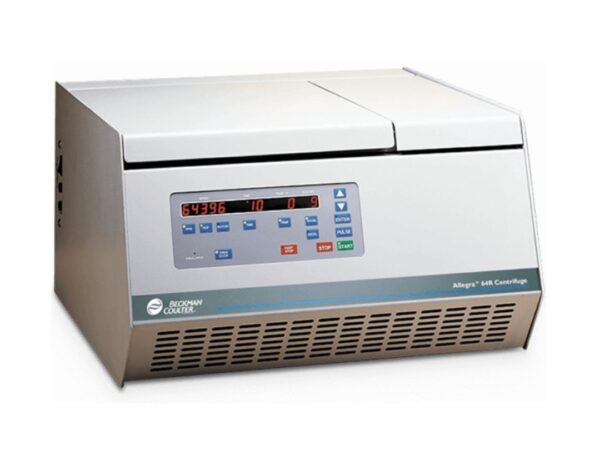
Beckman Coulter Allegra 64R Product No:367588
This Allegra 64R delivers reliable performance with flexible rotor compatibility and enhanced safety features.
-
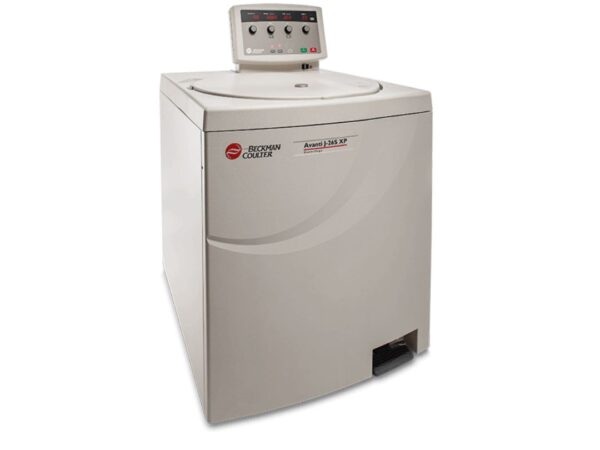
Beckman Coulter Avanti J-26 XP Product No B42205
The Avanti J-26S supports versatile rotors and protocols for demanding lab workflows.
-
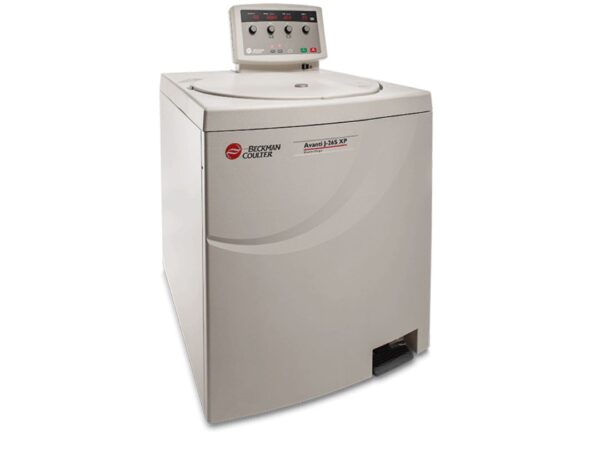
Beckman Coulter Avanti J-26 XP Product No B42209
The Avanti J-26S centrifuge offers high capacity and reliable performance for laboratories.
-
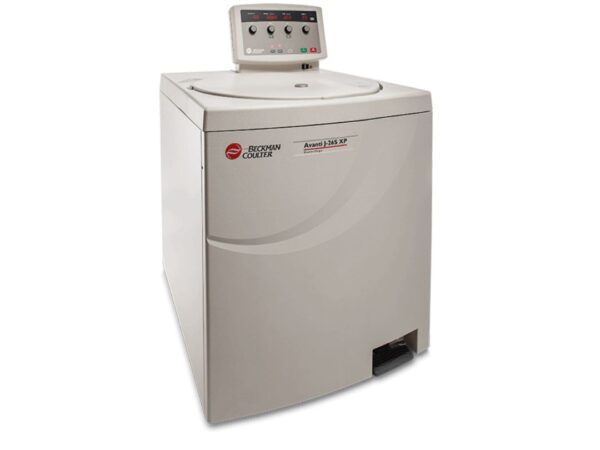
Beckman Coulter Avanti J-26S XP Product No B14536
Avanti J-26S combines speed, safety, and flexibility for laboratory centrifugation needs.
-
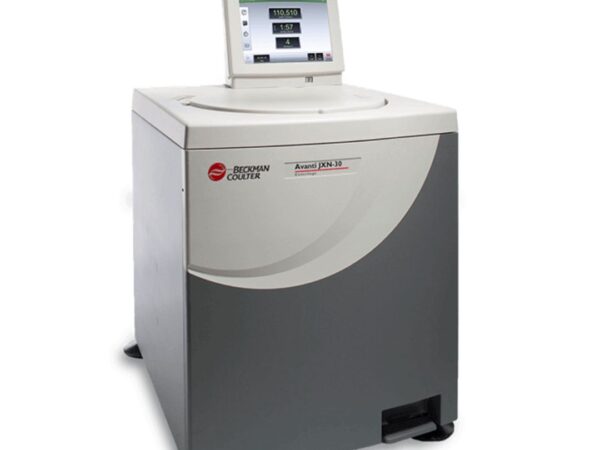
Beckman Coulter Avanti JXN-30 Product No B34193
Offers flexible rotor options with energy-saving design and quiet operation.
-
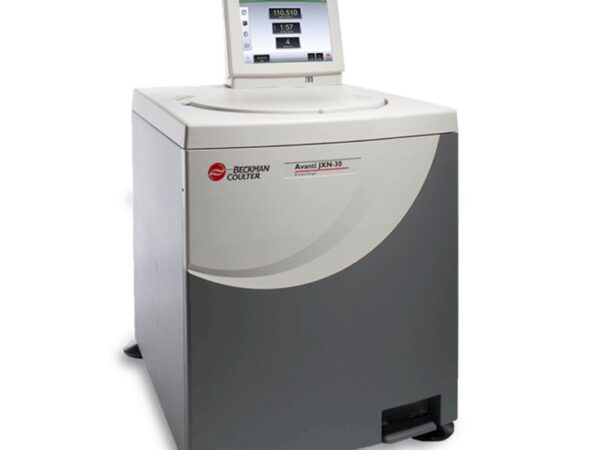
Beckman Coulter Avanti JXN-30 Product No B38620
Features advanced temperature control and user-friendly interface for safety.
-
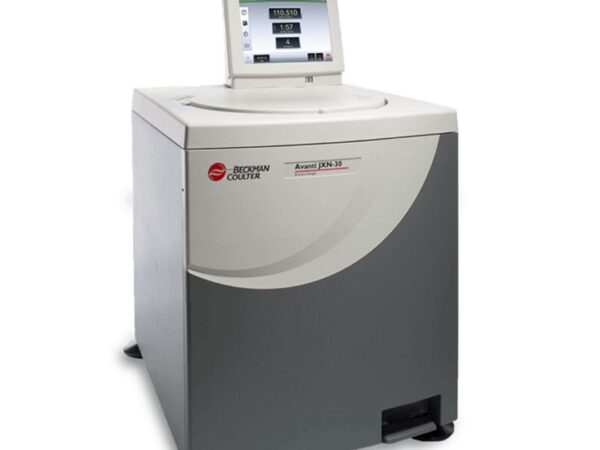
Beckman Coulter Avanti JXN-30 Product No B38621
Combines advanced safety features with quiet operation and programmable settings.
-
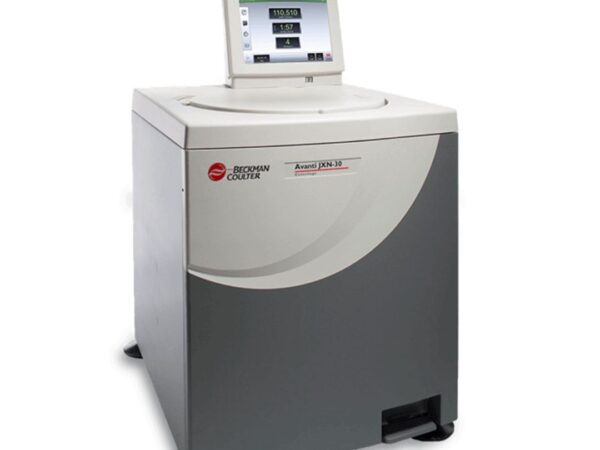
Beckman Coulter Avanti JXN-30 Product No B38624
Avanti JXN-30 combines speed, capacity, and intuitive controls for diverse labs.