

Gas Chromatography
Gas chromatography (GC) is an analytical technique designed to separate and analyze volatile gaseous compounds. In this system, an inert gas such as helium, nitrogen, argon, or hydrogen transports the sample through a solid stationary phase. The key components of a gas chromatograph comprise a sample injection unit, precise flow control system, analytical column enclosed in a thermostatically regulated oven, detection unit, and a data-processing computer for recording and interpreting chromatographic outputs. Electronic sensors and pumps regulate a constant or variable flow rate of the mobile phase, typically ranging from 0.001 to 100 mL per minute. Most GC systems operate at maximum temperatures between 350°C and 450°C.read more
When coupled with a mass spectrometer, GC enables refined separation with enhanced mass analysis capabilities. Modern instruments are characterized by fast run times and advanced data acquisition and processing software, ensuring precise and efficient analysis.
Key Features
- Retention time locking ensures precise and consistent retention times across multiple injections, columns, instruments, and laboratories, improving data reproducibility. Electronic pneumatic control provides automated, high-precision regulation of carrier gas pressure and flow, eliminating manual adjustments and enhancing chromatographic stability.
- Gas chromatography systems can be equipped with a range of detectors, including the flame ionization detector (FID), thermal conductivity detector (TCD), electron capture detector (ECD), flame photometric detector (FPD), nitrogen–phosphorus detector (NPD), and mass spectrometer (MS), depending on the analytical requirements. These detectors deliver wide dynamic ranges and high sensitivity, enabling accurate quantitation of compounds from trace (parts per billion) to concentrated levels within a single injection.
- Capillary flow technology allows advanced configurations such as multidimensional gas chromatography (GC-GC) and comprehensive two-dimensional gas chromatography (GC×GC) for superior peak separation and resolution. It also supports flow modulation and backflushing techniques that enhance performance, reduce run times, and protect columns.
- Integrated hydrogen sensor modules detect gas leaks early, automatically shut off gas flows, and ensure continuous system monitoring for laboratory safety. Helium conservation modules and alternative carrier gas solutions minimize helium usage, while energy-efficient features like ECO Idling significantly reduce power and gas consumption, supporting sustainable laboratory operations.
- Modern gas chromatographs feature detachable touchscreen displays, programmable light-emitting diodes (LEDs), and real-time diagnostic alerts for quick assessment of instrument status. Simplified front-panel controls and software-based operation reduce user error, streamline method setup, and improve overall productivity.
- Advanced gas chromatography systems support dual-column operation and user-replaceable detector modules to maximize analytical throughput. Modular injector and detector components simplify maintenance, minimize downtime, and enable easy configuration for diverse analytical requirements.
Applications
Applications of Gas chromatography are extensive across various scientific and industrial fields such as pharmaceuticals, environmental monitoring, food and beverage testing, petrochemical analysis, and forensic investigations:
- Food and beverage industry: Gas chromatography is widely utilized for detailed profiling of essential oils, flavoring agents, and additives to ensure accurate and reproducible assessment of flavor and aroma quality. It detects pesticide residues and chemical migration from packaging materials, ensuring food safety and compliance with quality standards.
- Environmental analysis: GC precisely identifies and quantifies environmental pollutants such as volatile organic compounds (VOCs), polycyclic aromatic hydrocarbons (PAHs), pesticides, and halogenated compounds. Advanced methods like comprehensive two-dimensional gas chromatography (GC×GC) and high-speed gas chromatography (HSGC) enhance sensitivity for air, water, and soil analysis.
- Pharmaceutical industry: In pharmaceuticals, the GC machine is used for impurity profiling, residual solvent detection, and active substance quantification. It supports pharmacokinetic studies, bioanalysis, and quality control, ensuring safety, efficacy, and regulatory compliance of drug formulations.
- Clinical diagnostics: GC is employed in clinical laboratories to detect biomarkers and metabolites in biological fluids like blood and urine. It aids in diagnosing metabolic disorders, monitoring diseases, and evaluating hormone levels by identifying volatile organic compounds linked to specific conditions.
- Forensic Science: Forensic analysts use GC to detect drugs, alcohol, and poisons in biological samples such as blood or tissue. This technique helps determine causes of death and provides critical chemical evidence for criminal investigations.
- Petrochemical industry: GC is used to separate chemical compositions of fuels, lubricants, and feedstocks. It helps detect impurities that affect production efficiency, prevent equipment damage, and ensure compliance with stringent industrial quality standards.
- Material science: GC is used to examine the composition and degradation of polymers, plastics, coatings, and textiles. It aids in detecting additives, studying reaction mechanisms, and evaluating the performance and stability of materials under varying conditions.
- Consumer products: GC ensures the safety and quality of cosmetics, personal care items, household cleaners, and packaging materials. It identifies volatile compounds, impurities, and potential allergens, maintaining product consistency, safety, and regulatory compliance.
- Biotechnology: In biotechnology, GC is used to study metabolic pathways, fermentation products, and volatile compounds in plants and microorganisms. It provides detailed insights into biochemical processes, supporting advancements in metabolic engineering and microbiological research.
- Environmental monitoring and research: GC assists in monitoring air and water quality by detecting pollutants and tracing their sources. It is also used in environmental research, including the chemical analysis of meteorites and extraterrestrial materials, broadening our understanding of planetary and cosmic chemistry.
- Manufacturing and industrial quality control: The GC lab equipment ensures product integrity in industries like automotive, chemical, and electronics manufacturing. It detects residual chemicals, monitors process emissions, and verifies material purity to meet safety and performance standards.
- Food quality control and safety testing: The apparatus GC enables precise quantification of carbohydrates, proteins, vitamins, lipids, steroids, pesticides, and trace elements in food. It ensures food quality, authenticity, and labeling accuracy in compliance with standards set by regulatory bodies such as the U.S. Food and Drug Administration (FDA).
Showing 1–12 of 52 results
Category
- Bioreactors+
- Parallel Bioreactors
- Single-Use Bioreactors
- Stirred-Tank Bioreactors
- Capillary Electrophoresis Instruments+
- Capillary Gel Electrophoresis (CGE)
- Capillary Isoelectric Focusing (CIEF)
- Capillary Zone Electrophoresis (CZE)
- Cell Counters and Analyzers+
- Automated Cell Counters
- Manual Cell Counters
- Cellular Imaging Systems+
- Fluorescence Imaging Systems
- High-Content Imaging Systems
- Live-Cell Imaging Systems
- Centrifuges+
- Benchtop Centrifuges
- Clinical Centrifuges
- Micro Centrifuges
- Refrigerated Centrifuges
- Ultracentrifuges
- Chromatography Instruments+
- Gas Chromatography
- Ion Chromatography
- Liquid Chromatography
- Flow Cytometer+
- Cell Analyzers
- Cell Isolation Systems
- Cell Sorters
- High-Throughput Flow Cytometers
- Imaging Flow Cytometry
- Personal Flow Cytometers
- Portable/Benchtop Flow Cytometers
- Spectral Flow Cytometers
- Laboratory Incubators+
- CO2 Incubators
- Dry Bath Incubators
- Hypoxia Incubators and Chambers
- Incubator Shakers
- Laboratory Ovens
- Portable Incubators
- Thermal Mixers
- Laboratory Microscopes+
- Atomic Force Microscopes (AFM)
- Automated Modular Microscopes
- Compound Microscopes
- Confocal Microscopes
- Digital Microscopes
- Fluorescence Microscopes
- Inverted Microscopes
- Live Cell Imaging Microscopes
- Metallurgical Microscopes
- Multiphoton Microscopes
- Polarizing Microscopes
- Raman Microscopes
- Scanning Electron Microscopes (SEM)
- Stereo Microscopes
- Super-Resolution Microscopes
- Transmission Electron Microscopes (TEM)
- Upright Microscopes (Neuroscience)
- Liquid Handlers+
- Automated Pipetting Systems
- Multi-Channel Liquid Handlers
- Robotic Liquid Handlers
- Variable Volume Pipetting Systems
- Mass Spectrometers+
- Ambient Ionization
- APCI MS
- ESI MS
- FT ICR MS
- ICP MS
- Orbi Trap MS
- Quadrupole MS
- Time-of-Flight MS
- Microarray Scanners+
- DNA Microarray Scanners
- Laser-Based Microarray Scanners
- Microplate Readers+
- Absorbance Microplate Readers
- Fluorescence Microplate Readers
- Luminescence Microplate Readers
- Multimode Microplate Readers
- Particle Counters and Analyzers+
- Airborne Particle Counters
- Laser Diffraction Analyzers
- Liquid Particle Counters
- Nanoparticle Analyzers
- Portable Particle Counters
- Remote Particle Counters
Brand
- ACCU-SCOPE
- Agilent
- Airmodus
- Alphasense
- Analytik Jena
- ARGO-HYTOS
- Arrayit
- Aurora Biomed Inc.
- Azure Biosystems
- Baker
- BD Biosciences
- Beckman Coulter
- Beijing Challen Biotechnology
- Binder
- Bio-Techne
- Biobase
- BioRad
- BMG Labtech
- Bruker
- Celestron
- Cellbox
- Centurion Scientific Ltd
- ChemoMetec
- CleanAir
- Cleatech
- Corning
- Countstar
- CS Instruments
- CUBIC
- Cytek Biosciences
- Cytena
- Cytiva
- Data Technologies
- Descase
- Electrolab Biotech
- Eppendorf
- Euromex
- Evident
- Fermex
- Fluke
- Formulatrix
- Getinge
- Gilson
- GPC Bio
- Haier Biomedical
- Hamilton Company
- Hettich
- Hitachi High-Tech
- Hudson Robotics Inc.
- Hydro
- INFORS HT
- Innopsys
- Jasco
- Jeiotech
- JEOL
- Kanomax
- Keyence
- KNAUER
- LAB-KITS
- Labomed
- Labwit
- Leco
- Leica
- Lighthouse
- Logos Biosystems
- LOSI
- Lumex Instruments
- Luminex
- Malvern Panalytical
- Meiji Techno
- Memmert
- Merck
- Mettler-Toledo International Inc.
- Miltenyi Biotec
- Molecular Devices
- Motic
- MP Filtri
- MSE (Medical and Scientific Equipment)
- NCI
- Nikon Instruments
- NuAire
- ORFLO Technologies
- Oxford Instruments
- PAMAS
- Particle Measuring Systems
- Particles Plus
- PBS Biotech
- PCE instruments
- PerkinElmer
- PharSol
- PHCbi
- Prior Scientific
- Promega
- Qiagen NV
- Revvity
- RION
- Sartorius
- SATAKE
- Sciex
- Sebia
- SETA
- Setra
- Shimadzu
- SIBATA
- Sigma Laborzentrifugen GmbH
- Solaris Biotech
- Solida Biotech
- Sony Biotechnology Inc.
- SPT Labtech Ltd
- Stratedigm Inc.
- Sysmex Corporation
- Tecan
- TES
- Thermo Fisher Scientific
- TSI
- Waters
- Western States Machine Company
- ZEISS
- ZETRON
-

Agilent 7820A GC System
The Agilent 7820A GC System is a cost-effective solution for routine applications, supporting core capabilities and easy integration into laboratories...
-
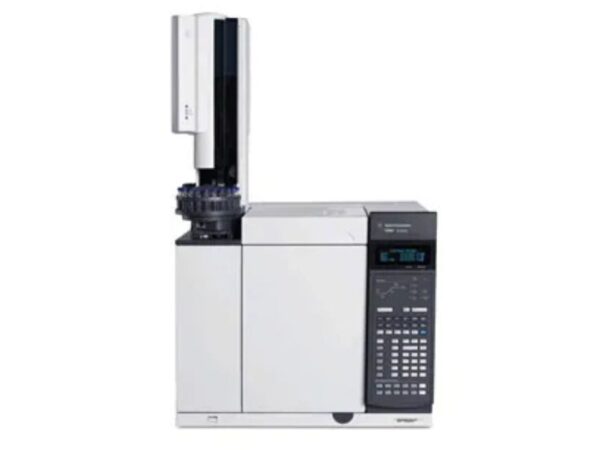
Agilent 7890B GC System
The Agilent 7890B GC System provides high-performance, reproducible results with reliable detectors and flexible inlets, making it ideal for labs need...
-
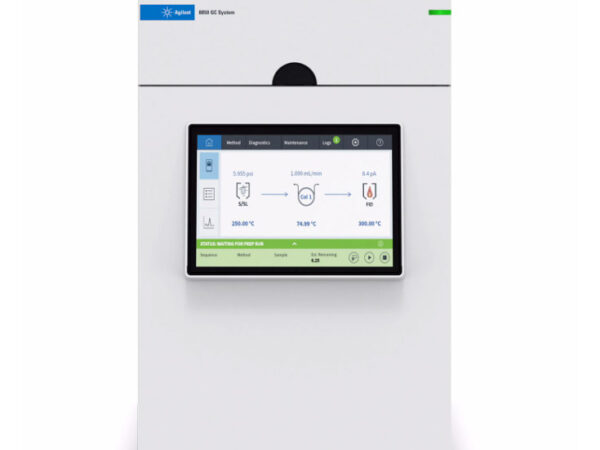
Agilent 8850 GC System
Affordable, compact GC for routine analytical tasks.
-
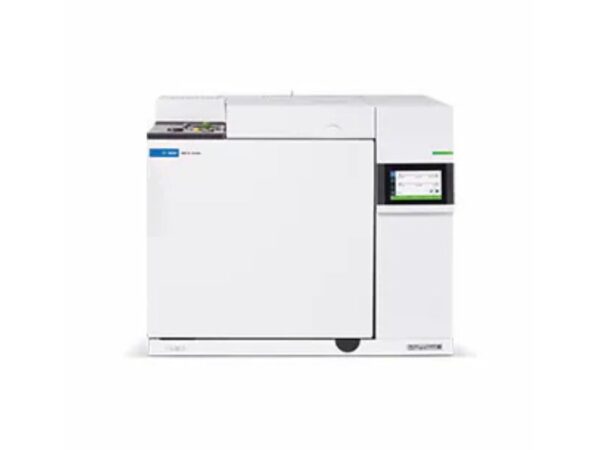
Agilent 8860 GC System
The Agilent 8860 GC delivers dependable performance and supports a range of detectors and inlets, providing mid-level labs with smart capabilities and...
-

Agilent 8890 GC System
The 8890 GC System enables real-time remote diagnostics, self-awareness, and customizable configurations, helping laboratories achieve the highest lev...
-
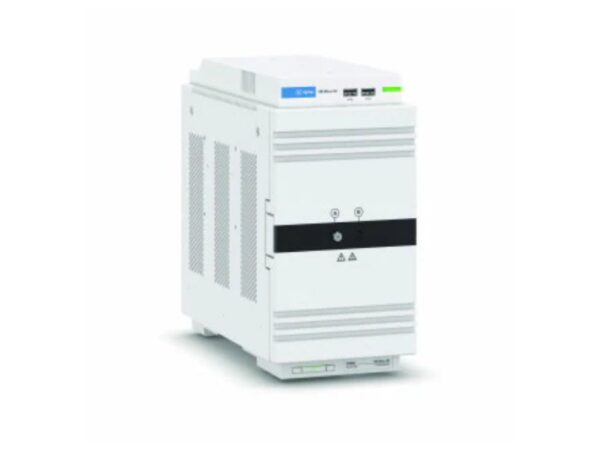
Agilent 990 Micro GC System
The Agilent 990 Micro GC is a compact, portable gas chromatography system designed for fast compositional analysis in lab or field environments, offer...
-

Agilent Intuvo 9000 GC System
The Intuvo 9000 GC System offers modern gas chromatography with fast heating, click-and-run columns, and integrated intelligence to streamline lab pro...
-
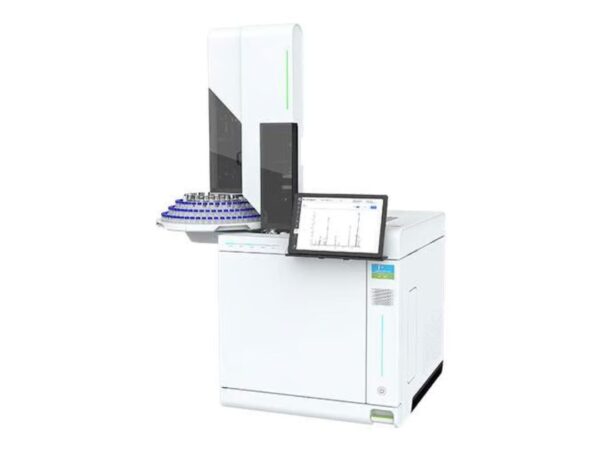
PerkinElmer GC 2400 System
PerkinElmer’s GC 2400 System delivers detachable touchscreen control, SimplicityChrom™ software integration, hydrogen safety features, flexible de...
-

Shimadzu Brevis GC-2050
Brevis GC-2050 combines a compact footprint with advanced AI-supported operation, delivering efficient, reliable gas chromatographic analysis in labor...
-
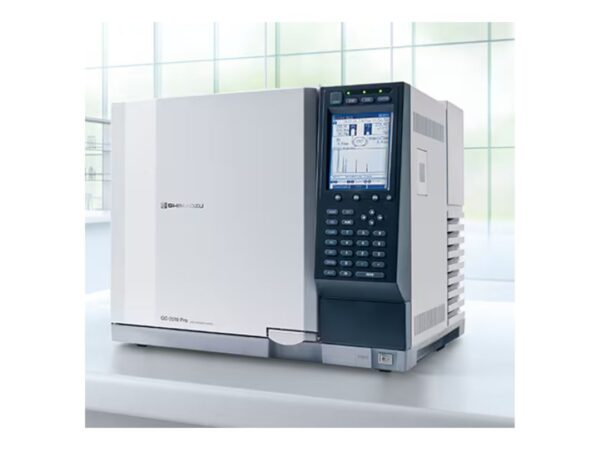
Shimadzu GC-2010 Pro
The GC-2010 Pro delivers rapid, accurate gas chromatographic analysis with outstanding repeatability and precise temperature control, meeting the need...
-
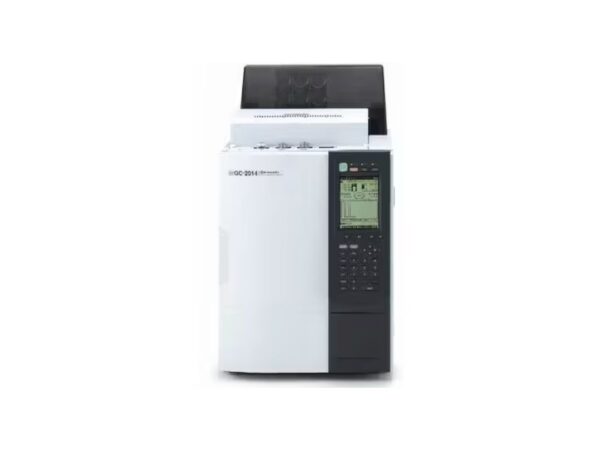
Shimadzu GC-2014
GC-2014 offers a rugged and user-friendly solution for routine gas chromatographic testing in QC labs and industrial settings with excellent reliabili...
-
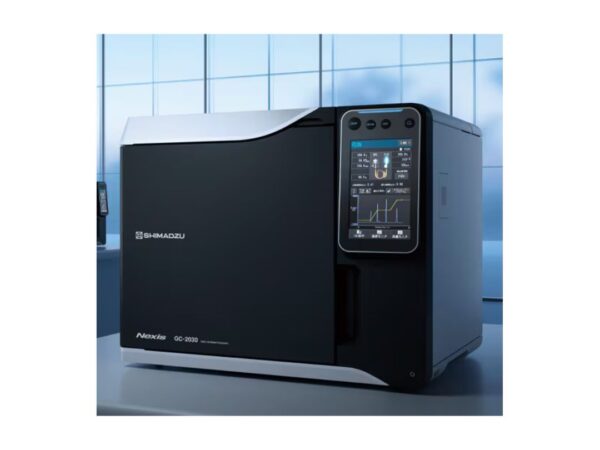
Shimadzu Nexis GC-2030
Nexis GC-2030 offers advanced gas chromatography with intuitive touchscreen control, modular configuration, and exceptional precision for diverse anal...