

Advanced Ion Chromatography (IC) Analyses: Enhancing IC Instrumentation for Precision Ion Detection
Overview: What Is the Ion Chromatography Process for Chemical Analysis?:- Ion chromatography (IC) is a powerful analytical technique and a subset of liquid chromatography designed to separate and quantify charged species in liquid samples. Using ion chromatography, laboratories can accurately measure the concentration of ions, including cations and anions such as chloride and sulfate, organic salts, and metal ions. The IC system is an integral analytical instrument across multiple industries where precise ion detection is essential. Unlike gas chromatography, which is suited for volatile compounds, IC is used for analyzing an ionic analyte in an aqueous solution. The history of ion chromatography is marked by significant advancements in stationary phase technology and eluent management.read more
The core of the equipment is the chromatography column, which contains a stationary phase composed of an inorganic or polymer-based ion exchanger. The process relies on the differential affinity of an analyte for the stationary phase versus the mobile phase, or eluent, which can consist of aqueous buffers or include organic solvents. Analyte ions are introduced into the IC system and interact with the stationary material through anion exchange or cation exchange mechanisms. The ionic strength of the eluent is carefully manipulated to control the elution process, allowing each analyte to elute at a distinct retention time.
High performance liquid chromatography (HPLC) principles are frequently integrated into modern IC systems for improved resolution. Optimizing this interaction between the analyte, the stationary phase, and the eluent within the ion-exchange column is critical for a successful IC analysis. This allows scientists to quantify an anion and a cation with high precision.
What Product Features Enhance Ion Exchange Analyses?
- High-precision Detection Technologies: Modern IC systems are equipped with advanced detection equipment, including a high-sensitivity conductivity detector. This ensures accurate analyte measurement, while integration with techniques like mass spectrometry or UV spectrometry enhances identification capabilities.
- Compact and Intelligent Design: Contemporary IC instruments feature compact, space-saving footprints with integrated system components for efficient operation. Intelligent control systems automatically recognize and optimize components, reducing setup time and simplifying routine analysis without compromising performance.
- Advanced Suppression and Eluent Management: An innovative IC instrument features automated eluent generation and advanced suppressors. This technology provides a stable background ionic strength, optimizes the eluent for reproducible elution, and eliminates manual eluent preparation, thereby reducing errors and improving retention time consistency.
- Automation and System Flexibility: Many IC platforms offer flexible configurations, supporting automation for high-throughput analyses, including automated sample dilution. The modular design of the equipment allows for upgrades, such as adding a second chromatograph channel or transitioning to high performance liquid chromatography pressures.
- Enhanced Software Control and Data Integrity: An integrated data system enables full control over the IC system, real-time monitoring of the chromatograph, and automated analysis of the elution profile. This ensures compliance with regulatory standards and improves data traceability for laboratory environments.
- High-pressure and Thermal Stability Performance: Advanced IC equipment operates at high pressures, enabling the use of smaller particle polymer stationary phase columns for faster separations and improved resolution of anions or cations. Optimized thermal regulation of the stationary phase and eluent pathways ensures baseline stability for long-term reproducibility.
What Are the Key Applications of Ion Chromatography Analyses?
- Water Analysis: IC is used extensively to monitor anion concentrations such as chloride and sulfate in water. A conductivity detector, often coupled with post-column spectrometry, enables the quantification of trace oxyhalides and inorganic species after elution from the stationary phase.
- Pharmaceutical Analysis: In this industry, the IC system is critical for the determination of active ingredients and impurities, which may require eluent mixtures containing organic solvents. Chromatography can be used to validate the cleaning of manufacturing equipment by analyzing rinse solutions for residual ionic compounds.
- Food and Beverage Analysis: The technique provides a reliable platform for analyzing organic acids and ionic compounds with minimal sample preparation. The eluent and the stationary phase are chosen to quantify analytes like citric acid and sugars in beverages.
- Clinical and Biomedical Studies: The method enables the determination of essential metal ions and electrolytes like sulfate in biological samples. The concentration of ions like sodium, potassium, and calcium can be determined rapidly, aiding in diagnostics.
- Separation of Actinides and Rare Elements: Using ion chromatography with a specialized stationary phase and eluent system, researchers can isolate and identify transplutonium elements present at atomic-scale quantities.
- Purification of Organic Compounds: The method effectively removes ionic contaminants from natural products dissolved in an aqueous solution by passing them through a stationary ion exchanger, which is often a specialized polymer resin.
- Sugar Separation: Ion exchange chromatography, using a specific eluent containing borate, enables the separation of sugars by forming borate complexes, providing high-resolution carbohydrate profiling.
- Preparation of Pure Reagents: An ion-exchange column is used to purify reagents like sodium hydroxide by removing carbonate impurities from the eluent, ensuring high precision in subsequent analyses.
- Production of Silicic Acid: Silicic acid is produced from sodium silicate by passing the solution through a cation exchanger stationary phase in the hydrogen form.
- Hydrometallurgy and Metal Recovery: Ion exchange chromatography is widely applied for the recovery of valuable metal ions like uranium and lanthanides. It is also used to remove toxic metals from industrial effluents.
- Water Treatment and Demineralization: Ion exchange resins in large-scale equipment are used in water softening to remove calcium and magnesium ions. This process relies on a robust stationary phase to handle high volumes of water containing dissolved ions like sulfate.
- Isotope Separation: Ion exchange techniques have been adapted to separate nitrogen isotopes. Small differences in affinity for the ion exchanger stationary phase allow their resolution into distinct zones during elution.
Showing 1–12 of 26 results
Category
- Bioreactors+
- Parallel Bioreactors
- Single-Use Bioreactors
- Stirred-Tank Bioreactors
- Capillary Electrophoresis Instruments+
- Capillary Gel Electrophoresis (CGE)
- Capillary Isoelectric Focusing (CIEF)
- Capillary Zone Electrophoresis (CZE)
- Cell Counters and Analyzers+
- Automated Cell Counters
- Manual Cell Counters
- Cellular Imaging Systems+
- Fluorescence Imaging Systems
- High-Content Imaging Systems
- Live-Cell Imaging Systems
- Centrifuges+
- Benchtop Centrifuges
- Clinical Centrifuges
- Micro Centrifuges
- Refrigerated Centrifuges
- Ultracentrifuges
- Chromatography Instruments+
- Gas Chromatography
- Ion Chromatography
- Liquid Chromatography
- Flow Cytometer+
- Cell Analyzers
- Cell Isolation Systems
- Cell Sorters
- High-Throughput Flow Cytometers
- Imaging Flow Cytometry
- Personal Flow Cytometers
- Portable/Benchtop Flow Cytometers
- Spectral Flow Cytometers
- Laboratory Incubators+
- CO2 Incubators
- Dry Bath Incubators
- Hypoxia Incubators and Chambers
- Incubator Shakers
- Laboratory Ovens
- Portable Incubators
- Thermal Mixers
- Laboratory Microscopes+
- Atomic Force Microscopes (AFM)
- Automated Modular Microscopes
- Compound Microscopes
- Confocal Microscopes
- Digital Microscopes
- Fluorescence Microscopes
- Inverted Microscopes
- Live Cell Imaging Microscopes
- Metallurgical Microscopes
- Multiphoton Microscopes
- Polarizing Microscopes
- Raman Microscopes
- Scanning Electron Microscopes (SEM)
- Stereo Microscopes
- Super-Resolution Microscopes
- Transmission Electron Microscopes (TEM)
- Upright Microscopes (Neuroscience)
- Liquid Handlers+
- Automated Pipetting Systems
- Multi-Channel Liquid Handlers
- Robotic Liquid Handlers
- Variable Volume Pipetting Systems
- Mass Spectrometers+
- Ambient Ionization
- APCI MS
- ESI MS
- FT ICR MS
- ICP MS
- Orbi Trap MS
- Quadrupole MS
- Time-of-Flight MS
- Microarray Scanners+
- DNA Microarray Scanners
- Laser-Based Microarray Scanners
- Microplate Readers+
- Absorbance Microplate Readers
- Fluorescence Microplate Readers
- Luminescence Microplate Readers
- Multimode Microplate Readers
- Particle Counters and Analyzers+
- Airborne Particle Counters
- Laser Diffraction Analyzers
- Liquid Particle Counters
- Nanoparticle Analyzers
- Portable Particle Counters
- Remote Particle Counters
Brand
- ACCU-SCOPE
- Agilent
- Airmodus
- Alphasense
- Analytik Jena
- ARGO-HYTOS
- Arrayit
- Aurora Biomed Inc.
- Azure Biosystems
- Baker
- BD Biosciences
- Beckman Coulter
- Beijing Challen Biotechnology
- Binder
- Bio-Techne
- Biobase
- BioRad
- BMG Labtech
- Bruker
- Celestron
- Cellbox
- Centurion Scientific Ltd
- ChemoMetec
- CleanAir
- Cleatech
- Corning
- Countstar
- CS Instruments
- CUBIC
- Cytek Biosciences
- Cytena
- Cytiva
- Data Technologies
- Descase
- Electrolab Biotech
- Eppendorf
- Euromex
- Evident
- Fermex
- Fluke
- Formulatrix
- Getinge
- Gilson
- GPC Bio
- Haier Biomedical
- Hamilton Company
- Hettich
- Hitachi High-Tech
- Hudson Robotics Inc.
- Hydro
- INFORS HT
- Innopsys
- Jasco
- Jeiotech
- JEOL
- Kanomax
- Keyence
- KNAUER
- LAB-KITS
- Labomed
- Labwit
- Leco
- Leica
- Lighthouse
- Logos Biosystems
- LOSI
- Lumex Instruments
- Luminex
- Malvern Panalytical
- Meiji Techno
- Memmert
- Merck
- Mettler-Toledo International Inc.
- Miltenyi Biotec
- Molecular Devices
- Motic
- MP Filtri
- MSE (Medical and Scientific Equipment)
- NCI
- Nikon Instruments
- NuAire
- ORFLO Technologies
- Oxford Instruments
- PAMAS
- Particle Measuring Systems
- Particles Plus
- PBS Biotech
- PCE instruments
- PerkinElmer
- PharSol
- PHCbi
- Prior Scientific
- Promega
- Qiagen NV
- Revvity
- RION
- Sartorius
- SATAKE
- Sciex
- Sebia
- SETA
- Setra
- Shimadzu
- SIBATA
- Sigma Laborzentrifugen GmbH
- Solaris Biotech
- Solida Biotech
- Sony Biotechnology Inc.
- SPT Labtech Ltd
- Stratedigm Inc.
- Sysmex Corporation
- Tecan
- TES
- Thermo Fisher Scientific
- TSI
- Waters
- Western States Machine Company
- ZEISS
- ZETRON
-
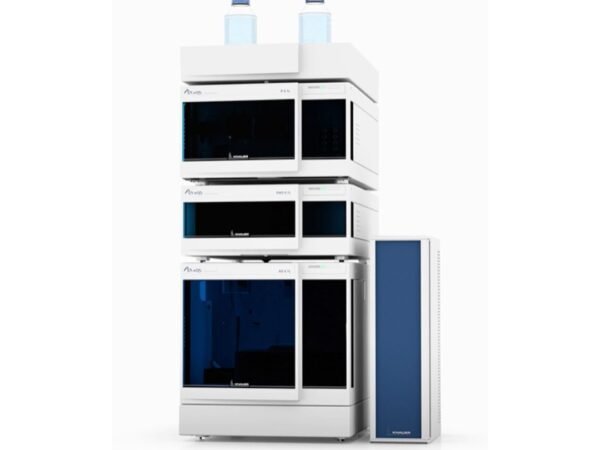
KNAUER AZURA Analytical (U)HPLC 862 bar System
AZURA 862 is a versatile system for routine and advanced chromatographic applications in compact form.
-

Shimadzu Anion Suppressor Ion Chromatograph
The HIC-ESP is a high-sensitivity ion chromatograph featuring an electrodialytic suppressor, enabling low-background, high-precision analysis of anion...
-
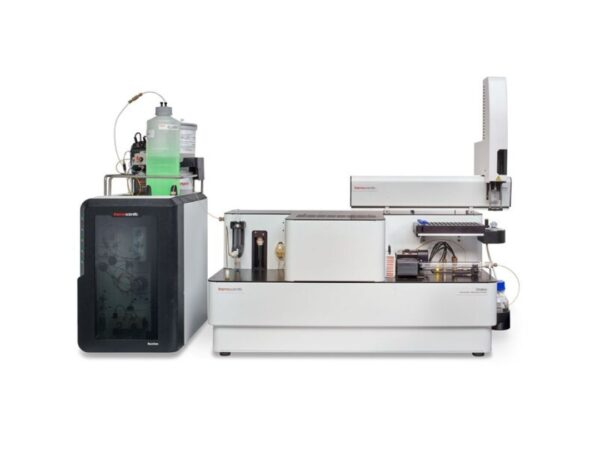
Thermo Fisher Scientific Cindion Combustion IC System Catalog no-CINDION-01
The IonPac CINDION-01 Column supports analytical separation of multiple cations in environmental and pharmaceutical samples, providing consistent resu...
-
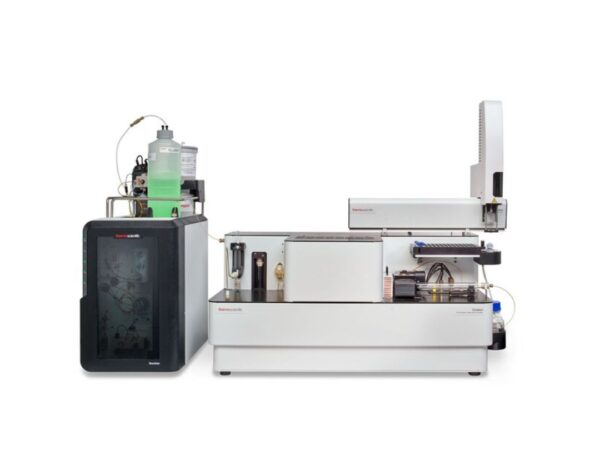
Thermo Fisher Scientific Cindion Combustion IC System Catalog no-CINDION-02
The IonPac CINDION-01 Column supports analytical separation of multiple cations in environmental and pharmaceutical samples, providing consistent resu...
-
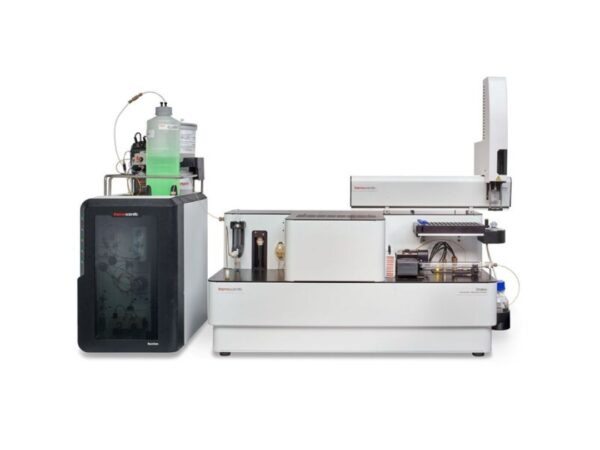
Thermo Fisher Scientific Cindion Combustion IC System Catalog no-CINDION-03
The IonPac CINDION-03 Column separates alkali and alkaline earth metals using cation-exchange principles, offering high-capacity and reproducibility i...
-
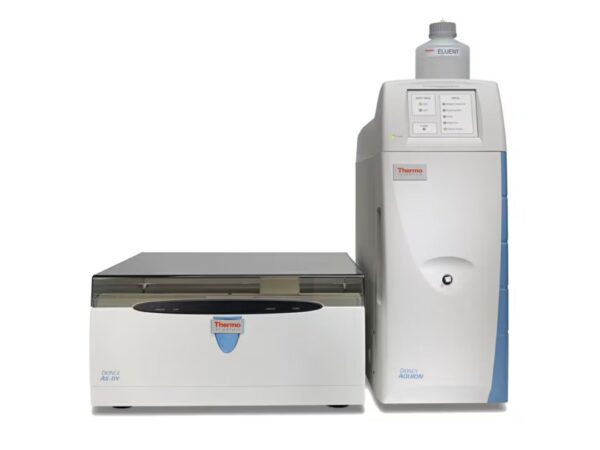
Thermo Fisher Scientific Dionex Aquion IC System Catalog no-22176-60002
This regen cartridge is designed for long-term IC suppressor performance, enabling efficient background ion neutralization and continuous operation in...
-
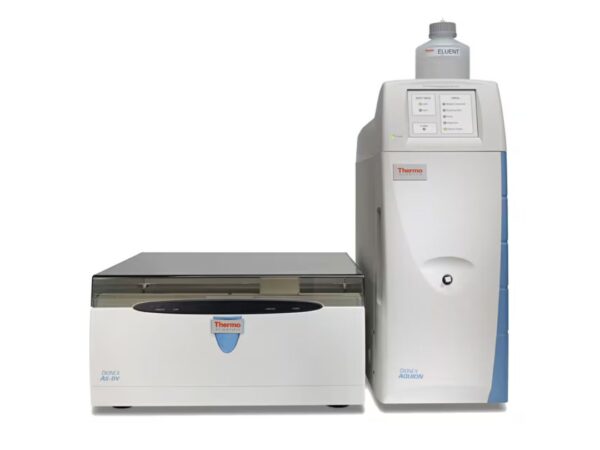
Thermo Fisher Scientific Dionex Aquion IC System Catalog no-22176-60004
The ICS-6000 Suppressor Accessory neutralizes eluent background conductivity in IC, improving signal-to-noise ratio and enabling precise anion or cati...
-
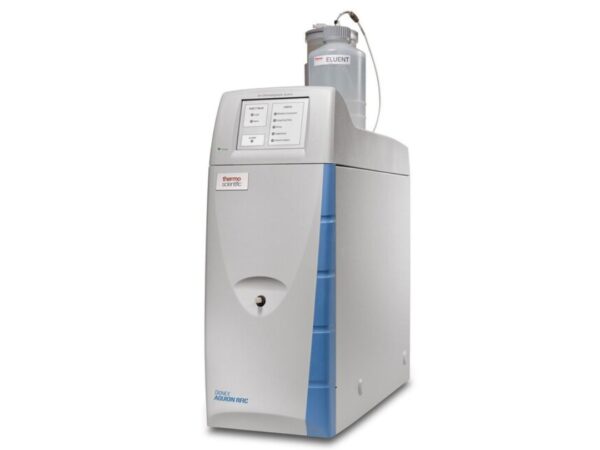
Thermo Fisher Scientific Dionex Aquion RFIC System catalog no-22176-60017
This heater kit maintains stable column temperature, improving reproducibility and separation efficiency in ion chromatography workflows.
-
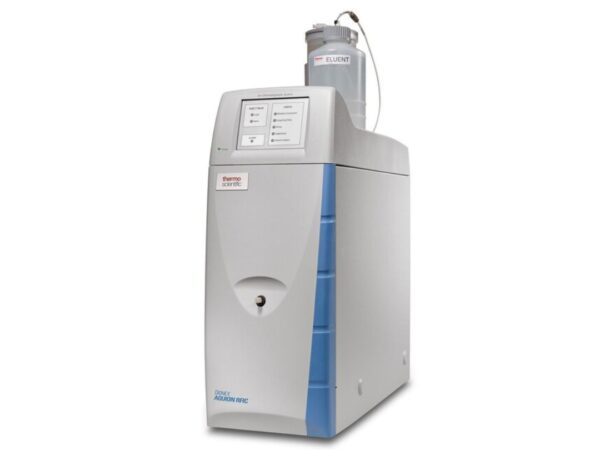
Thermo Fisher Scientific Dionex Aquion RFIC System catalog no-22176-60126
Reliable cable kit facilitates secure signal transmission between detectors and control modules in ion chromatography instruments.
-
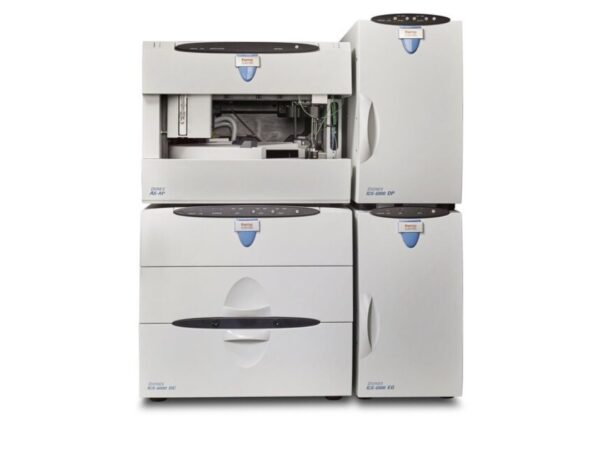
Thermo Fisher Scientific Dionex ICS-6000 Catalog no-ICS6000-007
Thermo Scientific ICS-6000 SP Pump delivers precision for isocratic and gradient IC, ensuring reliable performance in high-pressure ion chromatography...
-
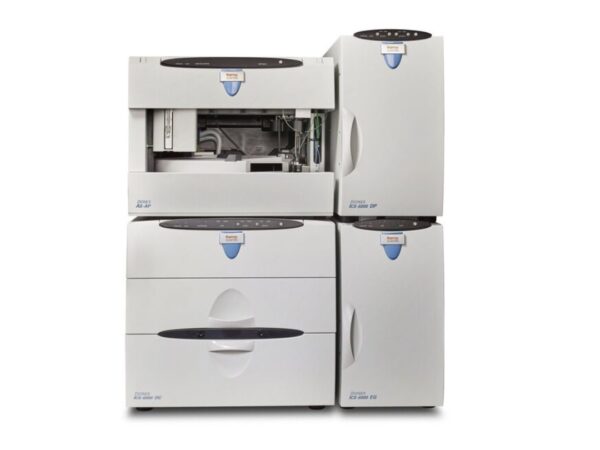
Thermo Fisher Scientific Dionex ICS-6000 Catalog no-ICS6000-008
The ICS-6000 DP Module integrates dual pump technology for high-performance IC, enabling independent or coordinated flow paths for advanced gradient o...
-
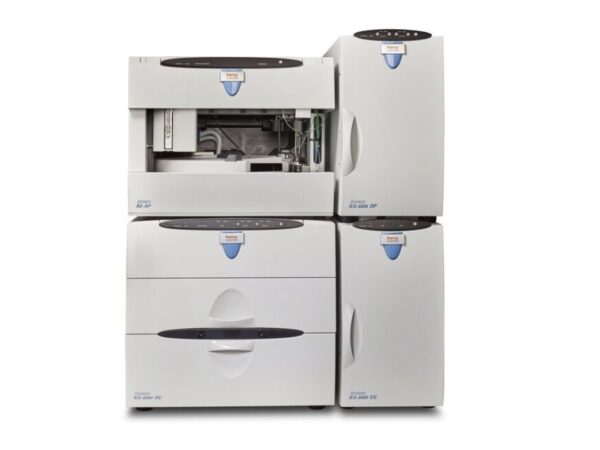
Thermo Fisher Scientific Dionex ICS-6000 Catalog no-ICS6000-009
The ICS-6000 DC Detector/Chromatography Module combines chromatographic separation and detection capabilities, streamlining IC workflows and ensuring ...