

Liquid Chromatography
Liquid chromatography (LC) is an analytical technique used to separate, identify, and quantify components in a mixture through multiple separation mechanisms that depend on the physical and chemical interactions between analytes, the stationary and mobile phases. In LC, the sample is introduced into the mobile phase and passed through a column packed with the stationary phase, where components separate based on various mechanisms, including adsorption, partition, ion exchange, size exclusion, and affinity interactions, as well as operational parameters such as flow rate, temperature, particle size, and mobile phase composition.read more
After elution from the column, the separated analytes pass through a detector that converts their physiochemical properties into electrical signals, enabling their quantification and identification. The method is suitable for thermally unstable or non-volatile compounds, making it versatile across various scientific fields. Among its different types, high-performance liquid chromatography (HPLC) is the most advanced and widely used form. HPLC operates under high pressure, forcing the mobile phase through a tightly packed stationary phase in hplc column, resulting in rapid, efficient, and high-resolution separations. The stationary phase usually consists of chemically modified particles, while the mobile phase is a liquid solvent or mixture. Depending on the system design, HPLC can be used for analytical or preparative purposes.
Key Features
- Different types of columns, such as reverse phase, ion exchange, and size exclusion, allow separation based on polarity, charge, and molecular size, respectively.
- Common detector types include UV-vis, refractive index (RI), photodiode array (PDA), and fluorescence detectors, allowing for versatile and sensitive detection across a wide range of analytes.
- Modern HPLC instruments feature automated pumps, gradient mixing, and intelligent module recognition tools. These enable high precision, reproducibility, and seamless method development for complex separations, minimizing manual intervention and setup time.
- Various systems offer compact footprints that optimize laboratory space while maintaining high throughput. Features such as guided fluidics, LED-guided plumbing, and intuitive touch-panel interfaces simplify operation and enhance user convenience.
- HPLC instruments incorporate patented microfluidic flow control technology, allowing flow rates as low as 1 µL/min for improved signal strength. This technology increases ionization efficiency and provides up to tenfold higher sensitivity than standard analytical flow LC systems.
- Many platforms offer comprehensive system control, real-time monitoring, and automated data analysis. These intelligent software solutions streamline method setup, ensure regulatory compliance, and enhance data accuracy and reproducibility.
- Advanced liquid chromatography systems are equipped with multi-wavelength, UV-VIS, PDA, fluorescence, and refractive index detectors for precise and sensitive detection. Additional analytical intelligence functions, such as smart flow control, i-PeakFinder for automatic peak recognition, and real-time mobile phase monitoring, ensure optimal performance and reliability across diverse analytical workflows.
Applications of Liquid Chromatography
- Pharmaceutical analysis: Liquid column chromatography is extensively used in drug discovery, development, and quality control. It helps identify, quantify, and assess the purity of pharmaceutical compounds, detect impurities, and monitor drug stability. The technique is also crucial for pharmacokinetic studies, therapeutic drug monitoring, and dissolution testing to ensure consistent drug performance.
- Environmental analysis: The technique plays a key role in detecting and quantifying environmental pollutants, such as pesticides, herbicides, and heavy metals, and in residue analysis. It provides high sensitivity and precision for monitoring contaminants in air, water, and soil samples.
- Food and beverage analysis: In the food industry, LC ensures product safety and authenticity by analyzing vitamins, lipids, amino acids, preservatives, and toxins in food products. The technique also assists in quality assurance by determining sugar profiles and identifying adulteration in beverages and food formulations.
- Clinical and biomedical applications: The Liquid Chromatography system is widely used for analyzing biological samples such as blood, serum, and urine. It supports therapeutic drug monitoring, neonatal metabolic screening, and biomarker quantification. Additionally, HPLC assists in toxicological studies and disease diagnosis through the precise detection of metabolites and drugs in clinical specimens.
- Forensic science: In forensic investigations, LC provides accurate detection and quantification of drugs, toxins, and explosives. It is used in forensic toxicology to identify illicit drugs and their metabolites in biological samples.
- Cosmetic industry: The instrument ensures the safety and efficacy of cosmetic products by quantifying parabens, benzoic acid, and formaldehyde within regulatory limits. It also helps monitor harmful substances like hydroquinone and phenol to ensure consumer safety.
- Biochemical and molecular research: LC is essential for the separation and analysis of proteins, peptides, nucleic acids, and metabolites. It enables high-resolution characterization of biomolecules, aiding studies in metabolomics, enzymology, and oxidative stress. The technique also supports coenzyme and vitamin quantification in various biological systems.
- Food safety and quality control: The technique facilitates the detection of contaminants such as mycotoxins, pesticide residues, and food preservatives. It is used to ensure compliance with food safety regulations by accurately quantifying additives and quality markers.
- Industrial and manufacturing applications: In manufacturing, LC ensures consistency in product formulations and helps monitor changes during scale-up. It is used to assess raw materials and finished products for purity and concentration.
Showing 1–12 of 123 results
Category
- Bioreactors+
- Parallel Bioreactors
- Single-Use Bioreactors
- Stirred-Tank Bioreactors
- Capillary Electrophoresis Instruments+
- Capillary Gel Electrophoresis (CGE)
- Capillary Isoelectric Focusing (CIEF)
- Capillary Zone Electrophoresis (CZE)
- Cell Counters and Analyzers+
- Automated Cell Counters
- Manual Cell Counters
- Cellular Imaging Systems+
- Fluorescence Imaging Systems
- High-Content Imaging Systems
- Live-Cell Imaging Systems
- Centrifuges+
- Benchtop Centrifuges
- Clinical Centrifuges
- Micro Centrifuges
- Refrigerated Centrifuges
- Ultracentrifuges
- Chromatography Instruments+
- Gas Chromatography
- Ion Chromatography
- Liquid Chromatography
- Flow Cytometer+
- Cell Analyzers
- Cell Isolation Systems
- Cell Sorters
- High-Throughput Flow Cytometers
- Imaging Flow Cytometry
- Personal Flow Cytometers
- Portable/Benchtop Flow Cytometers
- Spectral Flow Cytometers
- Laboratory Incubators+
- CO2 Incubators
- Dry Bath Incubators
- Hypoxia Incubators and Chambers
- Incubator Shakers
- Laboratory Ovens
- Portable Incubators
- Thermal Mixers
- Laboratory Microscopes+
- Atomic Force Microscopes (AFM)
- Automated Modular Microscopes
- Compound Microscopes
- Confocal Microscopes
- Digital Microscopes
- Fluorescence Microscopes
- Inverted Microscopes
- Live Cell Imaging Microscopes
- Metallurgical Microscopes
- Multiphoton Microscopes
- Polarizing Microscopes
- Raman Microscopes
- Scanning Electron Microscopes (SEM)
- Stereo Microscopes
- Super-Resolution Microscopes
- Transmission Electron Microscopes (TEM)
- Upright Microscopes (Neuroscience)
- Liquid Handlers+
- Automated Pipetting Systems
- Multi-Channel Liquid Handlers
- Robotic Liquid Handlers
- Variable Volume Pipetting Systems
- Mass Spectrometers+
- Ambient Ionization
- APCI MS
- ESI MS
- FT ICR MS
- ICP MS
- Orbi Trap MS
- Quadrupole MS
- Time-of-Flight MS
- Microarray Scanners+
- DNA Microarray Scanners
- Laser-Based Microarray Scanners
- Microplate Readers+
- Absorbance Microplate Readers
- Fluorescence Microplate Readers
- Luminescence Microplate Readers
- Multimode Microplate Readers
- Particle Counters and Analyzers+
- Airborne Particle Counters
- Laser Diffraction Analyzers
- Liquid Particle Counters
- Nanoparticle Analyzers
- Portable Particle Counters
- Remote Particle Counters
Brand
- ACCU-SCOPE
- Agilent
- Airmodus
- Alphasense
- Analytik Jena
- ARGO-HYTOS
- Arrayit
- Aurora Biomed Inc.
- Azure Biosystems
- Baker
- BD Biosciences
- Beckman Coulter
- Beijing Challen Biotechnology
- Binder
- Bio-Techne
- Biobase
- BioRad
- BMG Labtech
- Bruker
- Celestron
- Cellbox
- Centurion Scientific Ltd
- ChemoMetec
- CleanAir
- Cleatech
- Corning
- Countstar
- CS Instruments
- CUBIC
- Cytek Biosciences
- Cytena
- Cytiva
- Data Technologies
- Descase
- Electrolab Biotech
- Eppendorf
- Euromex
- Evident
- Fermex
- Fluke
- Formulatrix
- Getinge
- Gilson
- GPC Bio
- Haier Biomedical
- Hamilton Company
- Hettich
- Hitachi High-Tech
- Hudson Robotics Inc.
- Hydro
- INFORS HT
- Innopsys
- Jasco
- Jeiotech
- JEOL
- Kanomax
- Keyence
- KNAUER
- LAB-KITS
- Labomed
- Labwit
- Leco
- Leica
- Lighthouse
- Logos Biosystems
- LOSI
- Lumex Instruments
- Luminex
- Malvern Panalytical
- Meiji Techno
- Memmert
- Merck
- Mettler-Toledo International Inc.
- Miltenyi Biotec
- Molecular Devices
- Motic
- MP Filtri
- MSE (Medical and Scientific Equipment)
- NCI
- Nikon Instruments
- NuAire
- ORFLO Technologies
- Oxford Instruments
- PAMAS
- Particle Measuring Systems
- Particles Plus
- PBS Biotech
- PCE instruments
- PerkinElmer
- PharSol
- PHCbi
- Prior Scientific
- Promega
- Qiagen NV
- Revvity
- RION
- Sartorius
- SATAKE
- Sciex
- Sebia
- SETA
- Setra
- Shimadzu
- SIBATA
- Sigma Laborzentrifugen GmbH
- Solaris Biotech
- Solida Biotech
- Sony Biotechnology Inc.
- SPT Labtech Ltd
- Stratedigm Inc.
- Sysmex Corporation
- Tecan
- TES
- Thermo Fisher Scientific
- TSI
- Waters
- Western States Machine Company
- ZEISS
- ZETRON
-
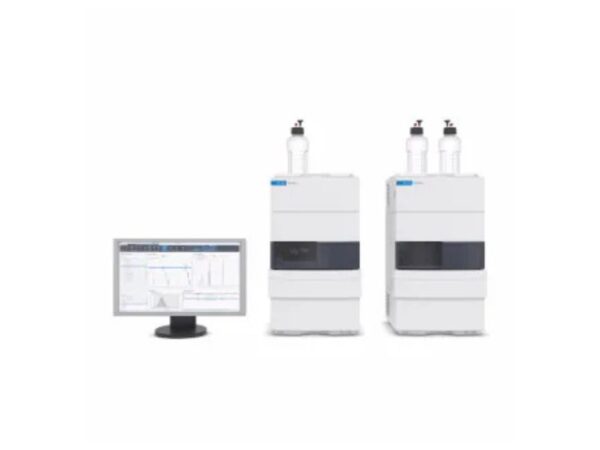
Agilent 1220 Infinity II LC System
Agilent’s 1220 Infinity II LC System offers robust HPLC performance in a compact, cost-effective package suitable for routine quality control, educa...
-

Agilent 1260 Infinity II Bio-SEC Multidetector System
The Agilent 1260 Infinity II Bio-SEC Multi-Detector System combines advanced SEC/GPC separation with multiple detectors, ideal for size characterizati...
-
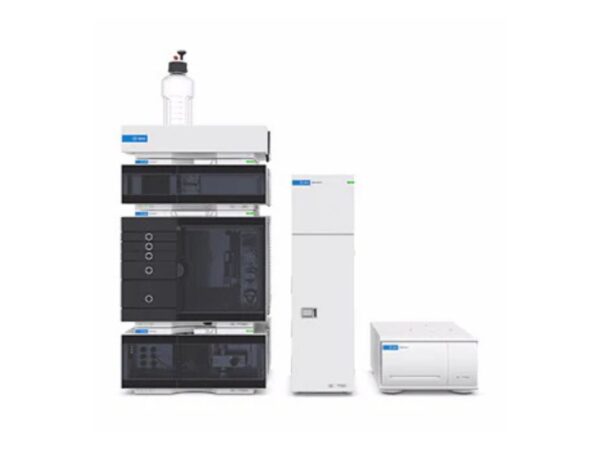
Agilent 1260 Infinity II Bio-SEC System
Agilent 1260 Infinity II Bio-SEC System provides high-resolution size-exclusion chromatography with bio-inert components, ensuring accurate molecular ...
-

Agilent 1260 Infinity II Manual Preparative LC System
Agilent 1260 Infinity II Manual Preparative LC System provides manual control and robust performance for preparative workflows in research and product...
-

Agilent 1260 Infinity II Multidetector GPC/SEC System
Agilent 1260 Infinity II Multi-Detector GPC/SEC System offers advanced polymer characterization with multiple detectors including RI, light scattering...
-
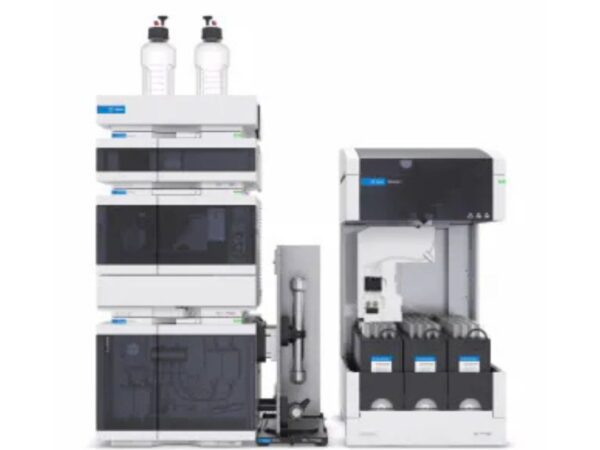
Agilent 1260 Infinity II Preparative LC System
Agilent 1260 Infinity II Preparative LC System offers automation and scalability for purification workflows, featuring robust sample loading, flexible...
-

Agilent 1260 Infinity III Amino Acid Analysis System
Agilent 1260 Amino Acid Analysis System delivers precise, high-throughput amino acid quantification with optimized sample prep, excellent reproducibil...
-
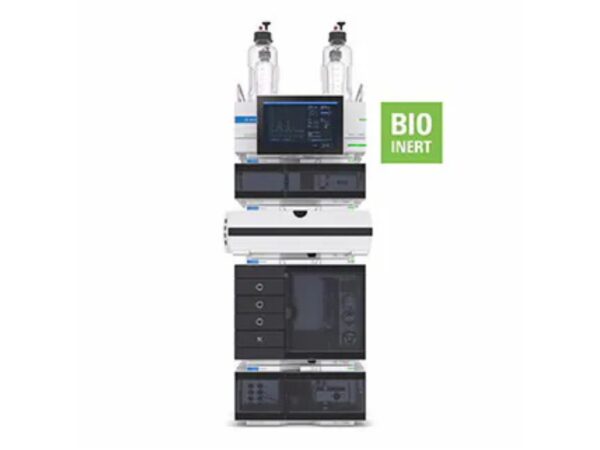
Agilent 1260 Infinity III Bio-Inert LC System
The Agilent 1260 Bio-Inert LC System ensures metal-free flow paths, ideal for biomolecule and protein analysis with minimal interaction, high durabili...
-

Agilent 1260 Infinity III LC System
The Agilent 1260 Infinity II LC System offers exceptional robustness, precision, and flexibility for routine analysis, supporting a wide range of appl...
-

Agilent 1260 Infinity III Prime Bio LC System
Agilent 1260 Prime Bio-LC System delivers high-resolution separations and robustness for biologics workflows, including protein and peptide analysis, ...
-

Agilent 1260 Infinity III Prime LC System
Agilent’s 1260 Infinity II Prime LC System is designed for operational efficiency and sustainability, providing advanced solvent-saving capabilities...
-
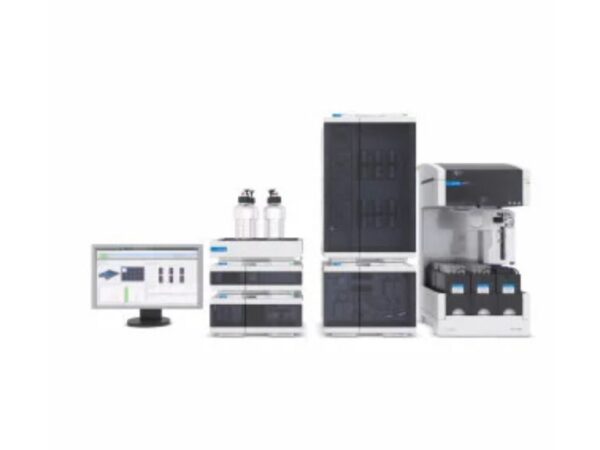
Agilent 1290 Infinity II Autoscale Preparative LC System
Agilent 1290 Infinity II Auto-Scale Preparative LC System provides automated scaling from milligram to gram level, with intelligent loading, real-time...