

Premium CO2 Incubators for Advanced Cell Culture Applications
A carbon dioxide (CO2) incubator represents essential laboratory equipment for maintaining optimal conditions in cell culture workflows. These specialized units regulate temperature, humidity, and carbon dioxide levels to create a stable environment that mimics physiological conditions necessary for cell growth. Modern CO2 incubators integrate advanced sensor technology, contamination control features, and programmable interfaces to ensure reproducibility across diverse experimental protocols.read more
The life sciences industry depends on precise environmental control to cultivate mammalian cells, bacterial strains, and other biological specimens. By maintaining CO2 concentrations typically at 5%, these incubators stabilize the pH of culture media through interaction with bicarbonate buffering systems. This regulation is critical for cell viability and experimental consistency. A high-performance CO2 incubator serves as the keystone of any laboratory focused on cellular research, not to mention routine cell culture maintenance and complex stem cell differentiation studies.
Temperature uniformity within the interior chamber distinguishes premium incubator models from basic designs. Water-jacketed CO2 incubators use a liquid reservoir surrounding the culture chamber to provide thermal stability. Air-jacketed variants rely on direct heating elements for faster temperature recovery. Both configurations offer distinct advantages depending on laboratory workflow requirements and space constraints. Additionally, integrated HEPA filtration and sterilization cycles address contamination risks that can compromise long-term experiments.
What Features Define a High-Performance CO2 Incubator?
Selecting the appropriate CO2 incubator requires careful evaluation of technical specifications that directly impact cell culture outcomes. Leading suppliers have developed sophisticated features to enhance performance and minimize contamination risks.
- Precise Temperature and CO2 Control: Advanced dual-beam infrared sensors continuously monitor CO2 concentration with accuracy within 0.1%, and microprocessor-controlled heating maintains temperature range stability typically between ambient 5 °C and 50 °C, ensuring optimal conditions for sensitive cell lines.
- Superior Humidity Management: Maintaining relative humidity between 95% and 98% prevents desiccation of culture media. Systems employ either active humidity control via atomizers or passive evaporation to maintain moisture levels in the circulating air, ensuring consistent conditions across the interior design.
- Contamination Control Systems: HEPA filtration removes airborne particulates, while optional sterilization cycles reaching 140 °C eliminate mycoplasma, fungi, and bacterial spores. These sterilization cycles typically run for 10–11 hours to achieve complete decontamination.
- Water-Jacketed versus Air-Jacketed Designs: Water-jacketed incubators provide superior temperature uniformity and stability due to the high thermal mass of the jacket, making them ideal for laboratories experiencing ambient temperature fluctuations. Air-jacketed models offer lighter weight, easier maintenance, and faster temperature recovery after door openings.
- Intuitive Controls and Monitoring: Touchscreen interfaces with password protection, remote monitoring capability via network connectivity, and comprehensive alarm systems for temperature, CO2, and door opening events enhance operational security and data integrity.
Where Are CO2 Incubators Most Crucial in Biopharmaceutical Research?
The versatility of CO2 incubators extends across multiple sectors within the biopharmaceutical industry and academic research institutions. Their capacity to maintain physiological conditions makes them indispensable for applications requiring precise environmental control.
- Monoclonal Antibody Production: Biopharmaceutical companies rely on large capacity CO2 incubators to scale up mammalian cell culture for therapeutic protein production. These systems support Chinese hamster ovary (CHO) cells and other expression platforms that require consistent CO2 concentration and humidity to maximize yield and product quality.
- Stem Cell Research and Regenerative Medicine: Stem cells and primary cells exhibit heightened sensitivity to environmental fluctuations. CO2 incubators with contamination control features and precise oxygen regulation (when equipped with O2 sensors) create conditions necessary for maintaining pluripotency and directing differentiation pathways.
- In Vitro Fertilization (IVF) Protocols: Reproductive medicine laboratories depend on CO2 incubators for oocyte collection, embryo culture, and pre-implantation diagnostics. The stability provided by water-jacketed designs minimizes thermal stress during critical developmental stages.
- Vaccine Development and Viral Production: Cell culture incubator systems enable the propagation of viral vectors and vaccine candidates. These workflows require strict protocols to prevent contamination, making units with high-temperature sterilization and HEPA filtration essential laboratory equipment.
- Primary Cell Isolation and Characterization: Academic research laboratories utilize CO2 incubators to establish primary cultures from tissue samples. These applications benefit from programmable temperature profiles and precise humidity control to optimize cell growth while maintaining phenotypic characteristics.
Showing 1–12 of 291 results
Category
- Bioreactors+
- Parallel Bioreactors
- Single-Use Bioreactors
- Stirred-Tank Bioreactors
- Capillary Electrophoresis Instruments+
- Capillary Gel Electrophoresis (CGE)
- Capillary Isoelectric Focusing (CIEF)
- Capillary Zone Electrophoresis (CZE)
- Cell Counters and Analyzers+
- Automated Cell Counters
- Manual Cell Counters
- Cellular Imaging Systems+
- Fluorescence Imaging Systems
- High-Content Imaging Systems
- Live-Cell Imaging Systems
- Centrifuges+
- Benchtop Centrifuges
- Clinical Centrifuges
- Micro Centrifuges
- Refrigerated Centrifuges
- Ultracentrifuges
- Chromatography Instruments+
- Gas Chromatography
- Ion Chromatography
- Liquid Chromatography
- Flow Cytometer+
- Cell Analyzers
- Cell Isolation Systems
- Cell Sorters
- High-Throughput Flow Cytometers
- Imaging Flow Cytometry
- Personal Flow Cytometers
- Portable/Benchtop Flow Cytometers
- Spectral Flow Cytometers
- Laboratory Incubators+
- CO2 Incubators
- Dry Bath Incubators
- Hypoxia Incubators and Chambers
- Incubator Shakers
- Laboratory Ovens
- Portable Incubators
- Thermal Mixers
- Laboratory Microscopes+
- Atomic Force Microscopes (AFM)
- Automated Modular Microscopes
- Compound Microscopes
- Confocal Microscopes
- Digital Microscopes
- Fluorescence Microscopes
- Inverted Microscopes
- Live Cell Imaging Microscopes
- Metallurgical Microscopes
- Multiphoton Microscopes
- Polarizing Microscopes
- Raman Microscopes
- Scanning Electron Microscopes (SEM)
- Stereo Microscopes
- Super-Resolution Microscopes
- Transmission Electron Microscopes (TEM)
- Upright Microscopes (Neuroscience)
- Liquid Handlers+
- Automated Pipetting Systems
- Multi-Channel Liquid Handlers
- Robotic Liquid Handlers
- Variable Volume Pipetting Systems
- Mass Spectrometers+
- Ambient Ionization
- APCI MS
- ESI MS
- FT ICR MS
- ICP MS
- Orbi Trap MS
- Quadrupole MS
- Time-of-Flight MS
- Microarray Scanners+
- DNA Microarray Scanners
- Laser-Based Microarray Scanners
- Microplate Readers+
- Absorbance Microplate Readers
- Fluorescence Microplate Readers
- Luminescence Microplate Readers
- Multimode Microplate Readers
- Particle Counters and Analyzers+
- Airborne Particle Counters
- Laser Diffraction Analyzers
- Liquid Particle Counters
- Nanoparticle Analyzers
- Portable Particle Counters
- Remote Particle Counters
Brand
- ACCU-SCOPE
- Agilent
- Airmodus
- Alphasense
- Analytik Jena
- ARGO-HYTOS
- Arrayit
- Aurora Biomed Inc.
- Azure Biosystems
- Baker
- BD Biosciences
- Beckman Coulter
- Beijing Challen Biotechnology
- Binder
- Bio-Techne
- Biobase
- BioRad
- BMG Labtech
- Bruker
- Celestron
- Cellbox
- Centurion Scientific Ltd
- ChemoMetec
- CleanAir
- Cleatech
- Corning
- Countstar
- CS Instruments
- CUBIC
- Cytek Biosciences
- Cytena
- Cytiva
- Data Technologies
- Descase
- Electrolab Biotech
- Eppendorf
- Euromex
- Evident
- Fermex
- Fluke
- Formulatrix
- Getinge
- Gilson
- GPC Bio
- Haier Biomedical
- Hamilton Company
- Hettich
- Hitachi High-Tech
- Hudson Robotics Inc.
- Hydro
- INFORS HT
- Innopsys
- Jasco
- Jeiotech
- JEOL
- Kanomax
- Keyence
- KNAUER
- LAB-KITS
- Labomed
- Labwit
- Leco
- Leica
- Lighthouse
- Logos Biosystems
- LOSI
- Lumex Instruments
- Luminex
- Malvern Panalytical
- Meiji Techno
- Memmert
- Merck
- Mettler-Toledo International Inc.
- Miltenyi Biotec
- Molecular Devices
- Motic
- MP Filtri
- MSE (Medical and Scientific Equipment)
- NCI
- Nikon Instruments
- NuAire
- ORFLO Technologies
- Oxford Instruments
- PAMAS
- Particle Measuring Systems
- Particles Plus
- PBS Biotech
- PCE instruments
- PerkinElmer
- PharSol
- PHCbi
- Prior Scientific
- Promega
- Qiagen NV
- Revvity
- RION
- Sartorius
- SATAKE
- Sciex
- Sebia
- SETA
- Setra
- Shimadzu
- SIBATA
- Sigma Laborzentrifugen GmbH
- Solaris Biotech
- Solida Biotech
- Sony Biotechnology Inc.
- SPT Labtech Ltd
- Stratedigm Inc.
- Sysmex Corporation
- Tecan
- TES
- Thermo Fisher Scientific
- TSI
- Waters
- Western States Machine Company
- ZEISS
- ZETRON
-
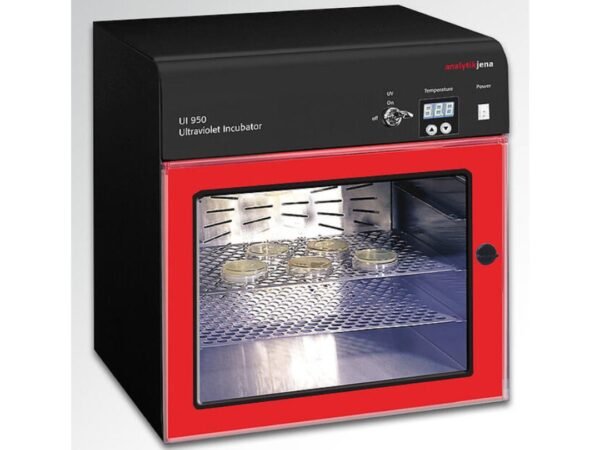
Analytik Jena GmbH+Co. uvp incubator ui 950
Our comprehensive web component module offers seamless integration for dynamic content management. It provides robust tools for custom element creatio...
-
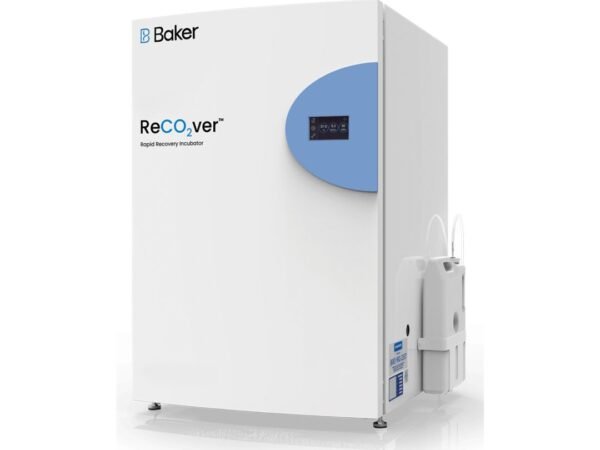
Baker reco2ver™
The ReCO2ver system from Baker offers advanced CO2 recovery for life science labs. It enhances operational efficiency, reduces environmental impact, &...
-
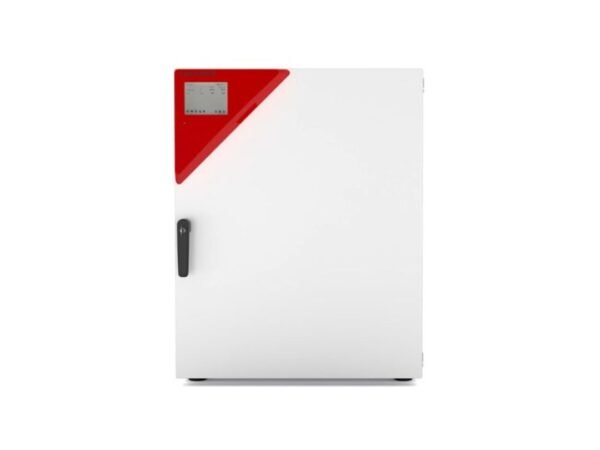
Binder Model CB 170
CB 170 features 170 L chamber, precise CO₂ & temperature control, stainless-steel interior, and optional humidity management for research labs.
-
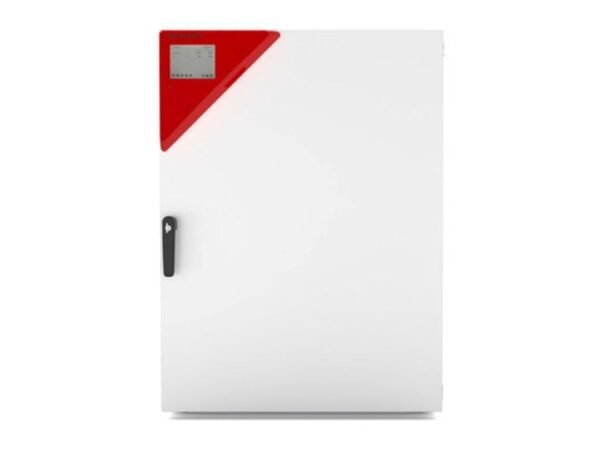
Binder Model CB 260
CB 260 provides 260 L chamber with reliable CO₂ and temperature control, stainless-steel interior, and optional humidity support for research applic...
-
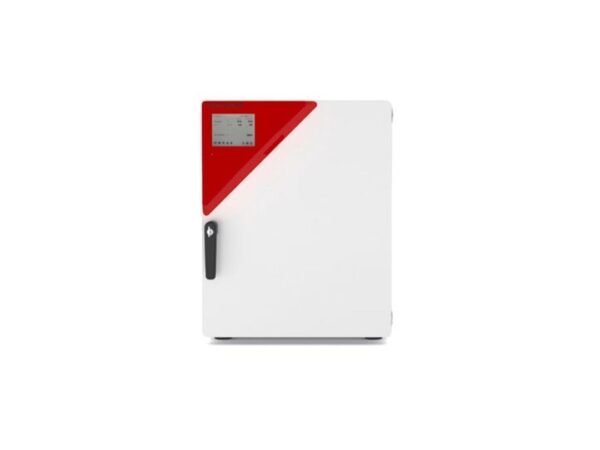
Binder Model CB 56
CB 56 offers 56 L volume with precise CO₂ regulation, uniform temperature, and stainless-steel interior for reliable cell culture incubation.
-
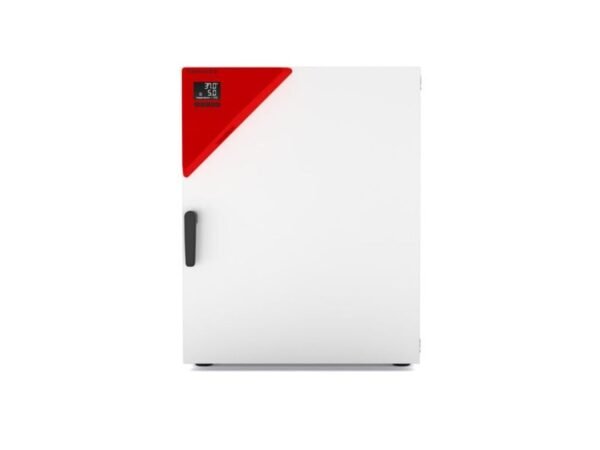
Binder Model CB S 170
CB‑S 170 combines CO₂ incubator functionality with a safety cabinet, 170 L chamber, uniform temperature, CO₂ control, and stainless-steel constr...
-
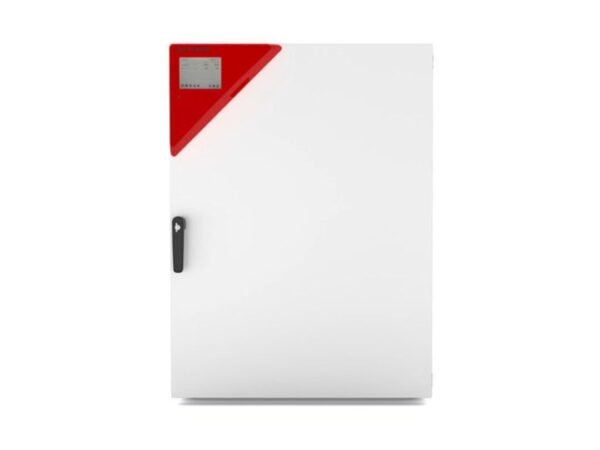
Binder Model CB S 260
CB‑S 260 provides 260 L chamber with safety cabinet, uniform temperature, CO₂ control, and optional humidity regulation for demanding research lab...
-

Binder Model CBF 170
CBF 170 ensures even temperature and CO₂ distribution with 170 L chamber, stainless-steel interior, and optional humidity control for cell culture l...
-
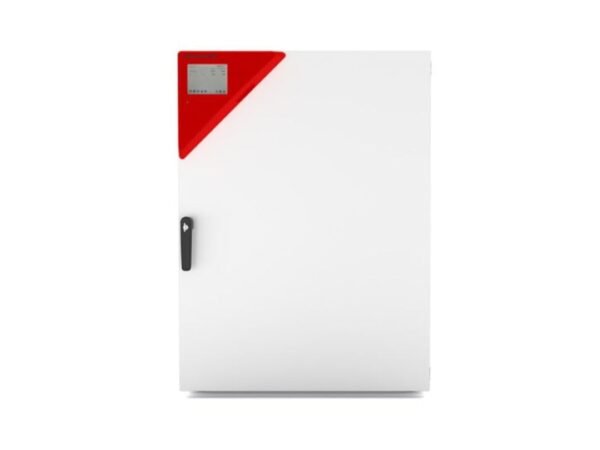
Binder Model CBF 260
CBF 260 provides 260 L chamber, uniform forced-air temperature distribution, precise CO₂ control, and optional humidity management for lab applicati...
-

Eppendorf CellXpert C170i Catalog no 6731001341
The CellXpert C170i is an advanced cell culture incubator. It offers precise control for optimal growth conditions, ensuring reliable & reproducib...
-

Eppendorf CellXpert® C170 Catalog no 6734000011
The CellXpert C170 is a cell culture incubator. It offers precise control of temperature and CO2, vital for optimal cell growth. Engineered for reliab...
-
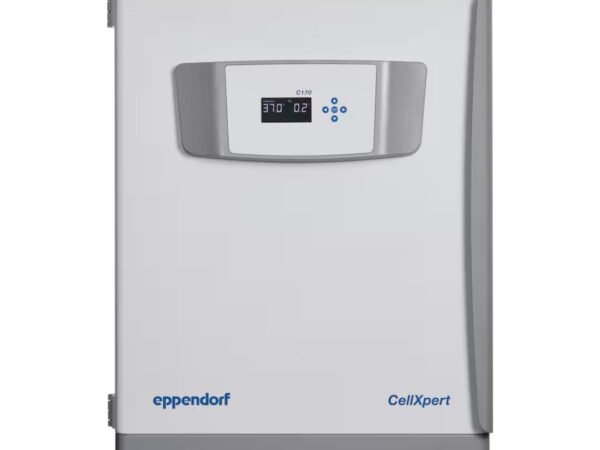
Eppendorf CellXpert® C170 Catalog no 6734000041
CellXpert C170 cell culture incubator provides a stable & controlled environment. Essential for optimal cell growth, it supports diverse laborator...