

Digital Dry Bath Incubators: Precision Thermal Control for Laboratory Sample Preparation
In the demanding environment of a modern life sciences laboratory, the dry bath incubator stands as essential equipment for precise thermal regulation. Often referred to as a dry block heater or simply a dry bath, this instrument replaces traditional water baths with conductive metal modules to maintain rigorous temperature uniformity. These units provide efficient heat transfer to various vessel types, ranging from microcentrifuge tubes to PCR strips, by utilizing machined aluminum blocks, which eliminate the risk of waterborne contamination.read more
A digital dry bath is engineered to support critical workflows where temperature stability is paramount. Unlike analog precursors, modern dry block incubators feature advanced microprocessor controls that regulate the heating element with exceptional accuracy. Whether the protocol requires maintaining reagents at 37 °C for enzymatic activity or denaturing DNA at 95 °C, the programmable nature of these systems ensures reproducibility. With a compact footprint, this essential product preserves valuable bench space while delivering the high-performance thermal conditions required for sensitive molecular and biochemical applications.
What Distinguishes the Performance of a Scientific Dry Bath?
When evaluating a dry bath incubator for the lab, researchers must prioritize features that ensure data integrity and operational longevity. The following highlights define the quality and functionality of superior dry block equipment:
- Precision Temperature Control: High-quality units use proportional-integral-derivative (PID) controllers to maintain the set temperature with deviations often around ±0.1 °C. This precise regulation is critical for applications where even minor fluctuations can alter experimental outcomes.
- Versatile Block Configurations: The utility of a dry bath is defined by its accessory compatibility. Most systems support interchangeable aluminum blocks designed for specific tube diameters (e.g., 0.2 mL, 1.5 mL, 15 mL, and 50 mL). Some advanced 4-block models allow for high-throughput processing of different sample formats simultaneously.
- Rapid Thermal Conductivity: The heating rate is a function of the block material and the heating element. Premium aluminum blocks are machined for optimal contact with the tube wall, facilitating rapid heat transfer and ensuring that the sample reaches the target temperature quickly and uniformly.
- Programmable Digital Interface: A user-friendly digital display allows for easy monitoring of real-time parameters. Advanced programmable units enable researchers to set defined temperature ramps and incubation intervals, automating complex thermal cycling protocols directly at the bench.
- Contamination Control: Unlike water baths, a dry block heater eliminates the need for water maintenance, removing a primary source of microbial growth. This dry heating method is essential for maintaining a sterile environment in cell culture and molecular biology labs.
How Are Dry Block Heaters Applied in Biopharma and Academia?
The application of dry bath incubators spans a diverse array of disciplines, from routine clinical diagnostics to cutting-edge drug discovery. Their ability to provide consistent, dry heat makes them indispensable in any setting requiring sample incubation.
- Molecular Biology and Genomics: The most common application involves the enzymatic manipulation of nucleic acids. Protocols such as restriction digestion, ligation, and the denaturation of DNA for sequencing all rely on the stable heat provided by a dry bath incubator. The equipment ensures that enzymes function at their optimal activity levels.
- Clinical and Diagnostic Laboratories: In clinical settings, dry baths are used for the coagulation of blood samples and the incubation of immunoassays. The dry environment prevents cross-contamination between patient samples, a critical requirement for diagnostic accuracy.
- Biopharmaceutical Quality Control: Drug stability testing often requires maintaining pharmaceutical compounds at elevated temperatures for extended periods. A digital dry bath provides the reliability needed for these long-duration studies, ensuring that the thermal stress applied to the product is constant and recordable.
- Cell Lysis and Protein Extraction: Biologists frequently employ heat block units to facilitate cell lysis. High temperatures help disrupt cell membranes and denature proteins, a necessary step prior to western blotting or other proteomic analyses.
- Sample Preservation: Beyond heating, some specialized units offer cooling capabilities. These thermal blocks are used to store temperature-sensitive reagents such as enzymes, nucleic acids, and antibodies at 4 °C directly on the workbench, keeping them accessible yet stable during experiments.
Showing 1–12 of 16 results
Category
- Bioreactors+
- Parallel Bioreactors
- Single-Use Bioreactors
- Stirred-Tank Bioreactors
- Capillary Electrophoresis Instruments+
- Capillary Gel Electrophoresis (CGE)
- Capillary Isoelectric Focusing (CIEF)
- Capillary Zone Electrophoresis (CZE)
- Cell Counters and Analyzers+
- Automated Cell Counters
- Manual Cell Counters
- Cellular Imaging Systems+
- Fluorescence Imaging Systems
- High-Content Imaging Systems
- Live-Cell Imaging Systems
- Centrifuges+
- Benchtop Centrifuges
- Clinical Centrifuges
- Micro Centrifuges
- Refrigerated Centrifuges
- Ultracentrifuges
- Chromatography Instruments+
- Gas Chromatography
- Ion Chromatography
- Liquid Chromatography
- Flow Cytometer+
- Cell Analyzers
- Cell Isolation Systems
- Cell Sorters
- High-Throughput Flow Cytometers
- Imaging Flow Cytometry
- Personal Flow Cytometers
- Portable/Benchtop Flow Cytometers
- Spectral Flow Cytometers
- Laboratory Incubators+
- CO2 Incubators
- Dry Bath Incubators
- Hypoxia Incubators and Chambers
- Incubator Shakers
- Laboratory Ovens
- Portable Incubators
- Thermal Mixers
- Laboratory Microscopes+
- Atomic Force Microscopes (AFM)
- Automated Modular Microscopes
- Compound Microscopes
- Confocal Microscopes
- Digital Microscopes
- Fluorescence Microscopes
- Inverted Microscopes
- Live Cell Imaging Microscopes
- Metallurgical Microscopes
- Multiphoton Microscopes
- Polarizing Microscopes
- Raman Microscopes
- Scanning Electron Microscopes (SEM)
- Stereo Microscopes
- Super-Resolution Microscopes
- Transmission Electron Microscopes (TEM)
- Upright Microscopes (Neuroscience)
- Liquid Handlers+
- Automated Pipetting Systems
- Multi-Channel Liquid Handlers
- Robotic Liquid Handlers
- Variable Volume Pipetting Systems
- Mass Spectrometers+
- Ambient Ionization
- APCI MS
- ESI MS
- FT ICR MS
- ICP MS
- Orbi Trap MS
- Quadrupole MS
- Time-of-Flight MS
- Microarray Scanners+
- DNA Microarray Scanners
- Laser-Based Microarray Scanners
- Microplate Readers+
- Absorbance Microplate Readers
- Fluorescence Microplate Readers
- Luminescence Microplate Readers
- Multimode Microplate Readers
- Particle Counters and Analyzers+
- Airborne Particle Counters
- Laser Diffraction Analyzers
- Liquid Particle Counters
- Nanoparticle Analyzers
- Portable Particle Counters
- Remote Particle Counters
Brand
- ACCU-SCOPE
- Agilent
- Airmodus
- Alphasense
- Analytik Jena
- ARGO-HYTOS
- Arrayit
- Aurora Biomed Inc.
- Azure Biosystems
- Baker
- BD Biosciences
- Beckman Coulter
- Beijing Challen Biotechnology
- Binder
- Bio-Techne
- Biobase
- BioRad
- BMG Labtech
- Bruker
- Celestron
- Cellbox
- Centurion Scientific Ltd
- ChemoMetec
- CleanAir
- Cleatech
- Corning
- Countstar
- CS Instruments
- CUBIC
- Cytek Biosciences
- Cytena
- Cytiva
- Data Technologies
- Descase
- Electrolab Biotech
- Eppendorf
- Euromex
- Evident
- Fermex
- Fluke
- Formulatrix
- Getinge
- Gilson
- GPC Bio
- Haier Biomedical
- Hamilton Company
- Hettich
- Hitachi High-Tech
- Hudson Robotics Inc.
- Hydro
- INFORS HT
- Innopsys
- Jasco
- Jeiotech
- JEOL
- Kanomax
- Keyence
- KNAUER
- LAB-KITS
- Labomed
- Labwit
- Leco
- Leica
- Lighthouse
- Logos Biosystems
- LOSI
- Lumex Instruments
- Luminex
- Malvern Panalytical
- Meiji Techno
- Memmert
- Merck
- Mettler-Toledo International Inc.
- Miltenyi Biotec
- Molecular Devices
- Motic
- MP Filtri
- MSE (Medical and Scientific Equipment)
- NCI
- Nikon Instruments
- NuAire
- ORFLO Technologies
- Oxford Instruments
- PAMAS
- Particle Measuring Systems
- Particles Plus
- PBS Biotech
- PCE instruments
- PerkinElmer
- PharSol
- PHCbi
- Prior Scientific
- Promega
- Qiagen NV
- Revvity
- RION
- Sartorius
- SATAKE
- Sciex
- Sebia
- SETA
- Setra
- Shimadzu
- SIBATA
- Sigma Laborzentrifugen GmbH
- Solaris Biotech
- Solida Biotech
- Sony Biotechnology Inc.
- SPT Labtech Ltd
- Stratedigm Inc.
- Sysmex Corporation
- Tecan
- TES
- Thermo Fisher Scientific
- TSI
- Waters
- Western States Machine Company
- ZEISS
- ZETRON
-

Jeiotech IB4 03AS
IB4 03AS is a small laboratory incubator offering accurate temperature control, 3 L stainless-steel chamber, digital display, and reliable performance...
-
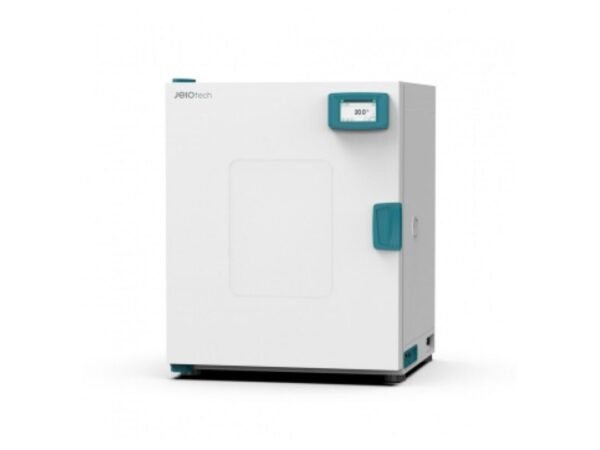
Jeiotech IB4 03AV
IB4 03AV provides 3 L chamber with variable temperature settings, digital display, and stainless-steel interior for precise laboratory incubation.
-
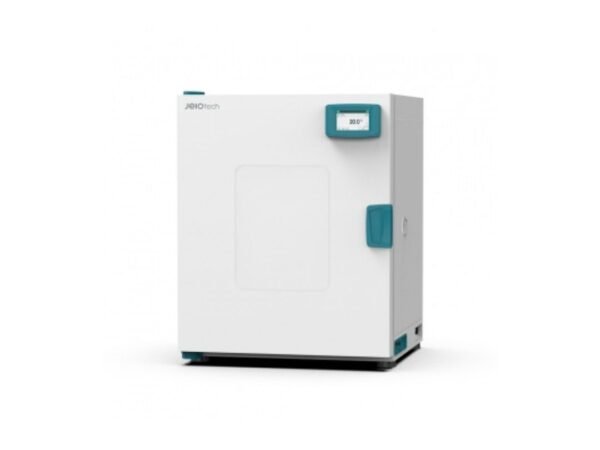
Jeiotech IB4 03S
IB4 03S is a 3 L standard laboratory incubator with accurate digital temperature control, stainless-steel interior, and safety features for daily lab ...
-
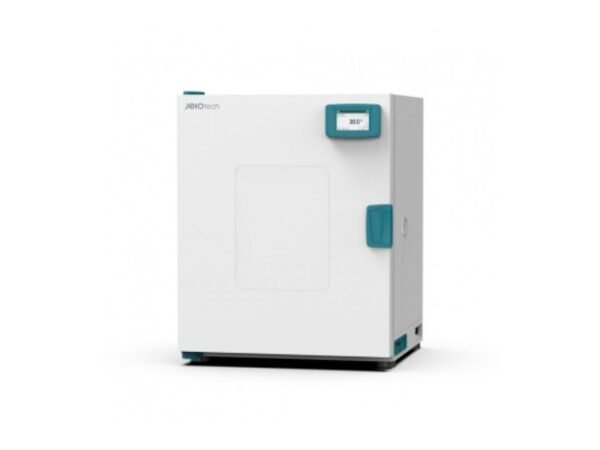
Jeiotech IB4 03V
IB4 03V offers 3 L chamber with variable temperature range, digital display, and stainless-steel interior for precise laboratory incubation.
-

Jeiotech IB4 05AS
IB4 05AS provides 5 L chamber, precise digital temperature regulation, stainless-steel interior, and over-temperature protection for reliable laborato...
-
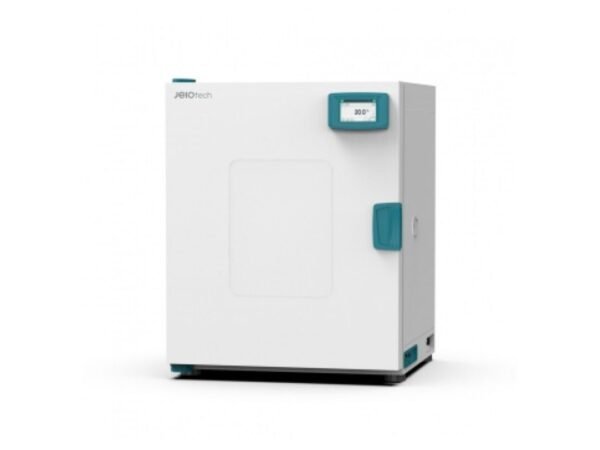
Jeiotech IB4 05AV
IB4 05AV features 5 L chamber, adjustable temperature range, digital controller, stainless-steel interior, and over-temperature protection for reliabl...
-
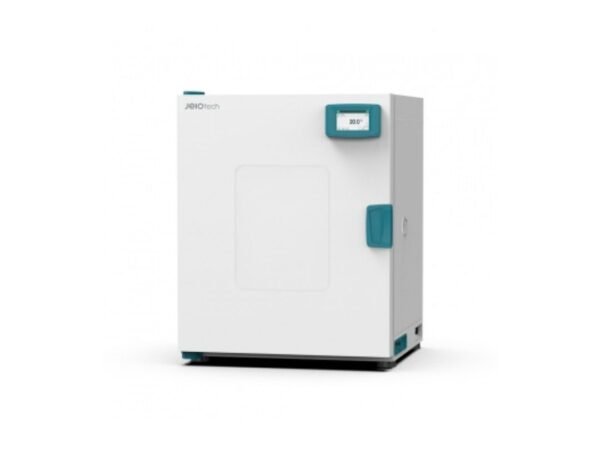
Jeiotech IB4 05S
IB4 05S features 5 L chamber, digital temperature control, stainless-steel interior, and safety alarm for reliable laboratory incubation.
-
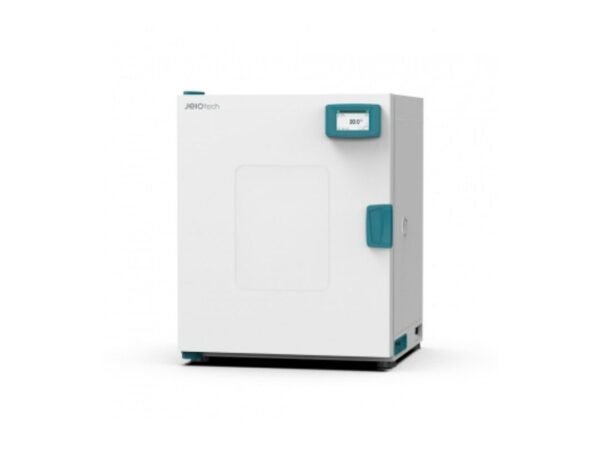
Jeiotech IB4 05V
IB4 05V features 5 L chamber, variable temperature range, digital display, stainless-steel interior, and over-temperature alarm for reliable lab perfo...
-

Jeiotech IB4 10AS
IB4 10AS offers 10 L chamber, accurate temperature control via digital interface, stainless-steel interior, and safety features for consistent lab per...
-
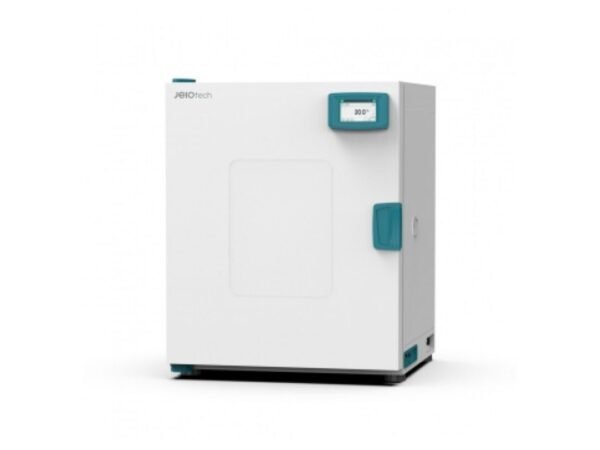
Jeiotech IB4 10AV
IB4 10AV offers 10 L chamber with adjustable temperature, digital interface, stainless-steel interior, and safety features for laboratory experiments.
-
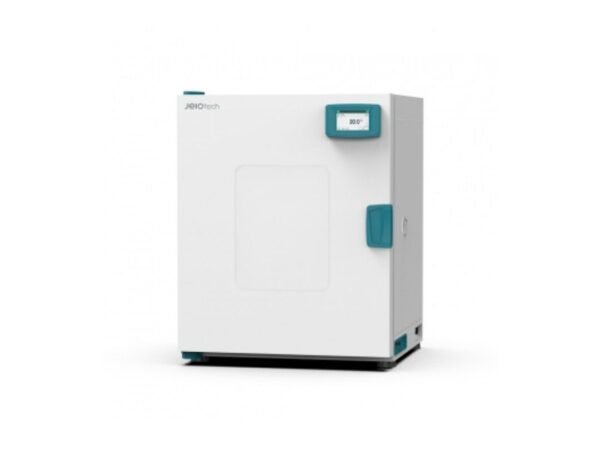
Jeiotech IB4 10S
IB4 10S provides 10 L chamber with accurate digital temperature control, stainless-steel interior, and over-temperature protection for reliable labora...
-
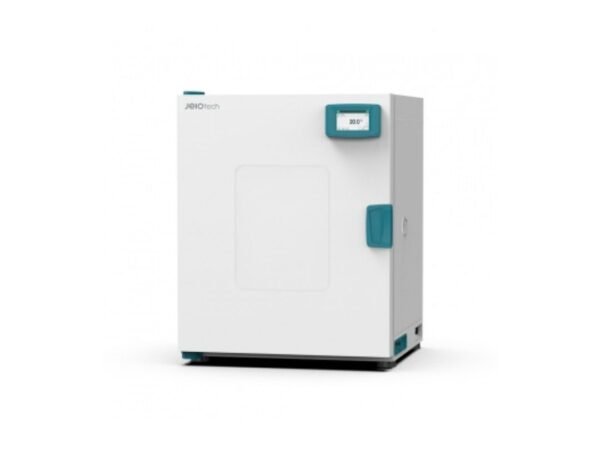
Jeiotech IB4 10V
IB4 10V offers 10 L chamber with variable temperature settings, digital interface, stainless-steel interior, and over-temperature protection for consi...