

Advanced Hypoxia Incubator and Chamber Systems for Cell and Tissue Culture
The transition from standard normoxic experimentation to physiologically relevant oxygen levels has fundamentally shifted the landscape of life sciences research. Conventional incubation often exposes samples to atmospheric oxygen levels (approximately 21%), which is hyperoxic compared to the specific microenvironments found in vivo. A hypoxia incubator or hypoxia chamber is engineered to bridge this gap, allowing researchers to simulate the low-oxygen conditions, often ranging from 0.1% to 10%, essential for accurate biological modeling. These systems are indispensable for maintaining a stable hypoxic environment where cell behavior, metabolism, and gene expression can be studied without the artifacts introduced by oxidative stress.read more
The equipment in this category ranges from a full-sized, tri-gas incubator to a modular incubator chamber designed to fit within existing laboratory infrastructure. A dedicated hypoxia incubator typically utilizes nitrogen gas to displace oxygen, maintaining precise levels of O2 and CO2 to support cell culture viability. Alternatively, a modular hypoxia chamber offers a sealed, portable environment, allowing distinct experimental conditions to run simultaneously within a single master unit. Selecting the correct chamber and control system is critical for experimental reproducibility, irrespective of the goal being the study of tumor microenvironments, stem cell differentiation, or ischemia-reperfusion injury.
What Defines High-Performance Hypoxia Chambers and Incubators?
When evaluating equipment for a hypoxic environment, distinguishing between a high-quality incubator and a standard enclosure requires a focus on regulation parameters and construction materials. A robust hypoxia incubator chamber must deliver consistency across three primary variables: temperature, atmospheric composition, and humidity. High-performance units are characterized by their ability to rapidly recover programmed gas levels after the chamber door is opened, a feature that minimizes stress on the culture.
- Precision Gas Control: Top-tier systems use advanced zirconia or paramagnetic sensors to regulate oxygen levels with high fidelity, often down to 0.1%. The integration of active nitrogen gas control allows the incubator to strictly maintain the target hypoxic state, preventing fluctuations that could alter cell phenotypes.
- Contamination Mitigation: A premium hypoxia chamber often incorporates antimicrobial copper surfaces or HEPA filtration to protect the tissue culture. Because a hypoxic environment for cell growth can also favor certain anaerobic contaminants, rigorous sterilization cycles (such as high-heat decontamination) are a hallmark of quality engineering.
- Chamber Integrity and Design: The physical chamber construction affects thermal conductivity and gas retention. A well-insulated chamber ensures minimal thermal gradients, while a modular incubator chamber usually features semi-hermetic sealing protocols to prevent gas leakage during transport.
- Humidity Management: Maintaining high humidity is vital to prevent media evaporation in a cell culture. Advanced hypoxia units utilize active humidity systems rather than passive water pans, reducing the risk of condensation and fungal growth within the chamber.
Where is a Hypoxic Environment for Cell Culture Essential?
The application of a hypoxia chamber or incubator extends across various sectors of the biopharmaceutical industry and academic research. As our understanding of cellular biology deepens, the requirement for a verified hypoxic environment for cell studies becomes more stringent. Researchers utilize these tools to replicate the specific oxygen levels found in tissues such as bone marrow, poorly vascularized tumors, or the embryonic niche.
- Cancer Biology and Oncology: Tumor cells often exist in a deeply hypoxic microenvironment, which drives angiogenesis and metastasis. A hypoxia incubator allows scientists to culture cancer lines under these precise conditions to test drug efficacy and resistance mechanisms that would not be apparent in a standard culture setting.
- Stem Cell Research: Pluripotency and differentiation are heavily influenced by oxygen tension. A hypoxia chamber is frequently used to maintain stem cells in an undifferentiated state or to direct specific lineage commitments, making the chamber a critical tool for regenerative medicine.
- Ischemia and Neurology: Modeling stroke or cardiac arrest requires the rapid induction of oxygen deprivation. A specialized hypoxia incubator chamber can cycle between hypoxic and re-oxygenation phases, simulating the reperfusion injury that occurs in biological tissues during ischemic events.
- In Vitro Fertilization (IVF): Early embryonic development occurs in a low-oxygen environment within the oviduct. Using a hypoxia incubator to mimic these physiological conditions has been shown to improve blastocyst development and implantation rates compared to traditional tissue culture methods.
Showing 1–12 of 16 results
Category
- Bioreactors+
- Parallel Bioreactors
- Single-Use Bioreactors
- Stirred-Tank Bioreactors
- Capillary Electrophoresis Instruments+
- Capillary Gel Electrophoresis (CGE)
- Capillary Isoelectric Focusing (CIEF)
- Capillary Zone Electrophoresis (CZE)
- Cell Counters and Analyzers+
- Automated Cell Counters
- Manual Cell Counters
- Cellular Imaging Systems+
- Fluorescence Imaging Systems
- High-Content Imaging Systems
- Live-Cell Imaging Systems
- Centrifuges+
- Benchtop Centrifuges
- Clinical Centrifuges
- Micro Centrifuges
- Refrigerated Centrifuges
- Ultracentrifuges
- Chromatography Instruments+
- Gas Chromatography
- Ion Chromatography
- Liquid Chromatography
- Flow Cytometer+
- Cell Analyzers
- Cell Isolation Systems
- Cell Sorters
- High-Throughput Flow Cytometers
- Imaging Flow Cytometry
- Personal Flow Cytometers
- Portable/Benchtop Flow Cytometers
- Spectral Flow Cytometers
- Laboratory Incubators+
- CO2 Incubators
- Dry Bath Incubators
- Hypoxia Incubators and Chambers
- Incubator Shakers
- Laboratory Ovens
- Portable Incubators
- Thermal Mixers
- Laboratory Microscopes+
- Atomic Force Microscopes (AFM)
- Automated Modular Microscopes
- Compound Microscopes
- Confocal Microscopes
- Digital Microscopes
- Fluorescence Microscopes
- Inverted Microscopes
- Live Cell Imaging Microscopes
- Metallurgical Microscopes
- Multiphoton Microscopes
- Polarizing Microscopes
- Raman Microscopes
- Scanning Electron Microscopes (SEM)
- Stereo Microscopes
- Super-Resolution Microscopes
- Transmission Electron Microscopes (TEM)
- Upright Microscopes (Neuroscience)
- Liquid Handlers+
- Automated Pipetting Systems
- Multi-Channel Liquid Handlers
- Robotic Liquid Handlers
- Variable Volume Pipetting Systems
- Mass Spectrometers+
- Ambient Ionization
- APCI MS
- ESI MS
- FT ICR MS
- ICP MS
- Orbi Trap MS
- Quadrupole MS
- Time-of-Flight MS
- Microarray Scanners+
- DNA Microarray Scanners
- Laser-Based Microarray Scanners
- Microplate Readers+
- Absorbance Microplate Readers
- Fluorescence Microplate Readers
- Luminescence Microplate Readers
- Multimode Microplate Readers
- Particle Counters and Analyzers+
- Airborne Particle Counters
- Laser Diffraction Analyzers
- Liquid Particle Counters
- Nanoparticle Analyzers
- Portable Particle Counters
- Remote Particle Counters
Brand
- ACCU-SCOPE
- Agilent
- Airmodus
- Alphasense
- Analytik Jena
- ARGO-HYTOS
- Arrayit
- Aurora Biomed Inc.
- Azure Biosystems
- Baker
- BD Biosciences
- Beckman Coulter
- Beijing Challen Biotechnology
- Binder
- Bio-Techne
- Biobase
- BioRad
- BMG Labtech
- Bruker
- Celestron
- Cellbox
- Centurion Scientific Ltd
- ChemoMetec
- CleanAir
- Cleatech
- Corning
- Countstar
- CS Instruments
- CUBIC
- Cytek Biosciences
- Cytena
- Cytiva
- Data Technologies
- Descase
- Electrolab Biotech
- Eppendorf
- Euromex
- Evident
- Fermex
- Fluke
- Formulatrix
- Getinge
- Gilson
- GPC Bio
- Haier Biomedical
- Hamilton Company
- Hettich
- Hitachi High-Tech
- Hudson Robotics Inc.
- Hydro
- INFORS HT
- Innopsys
- Jasco
- Jeiotech
- JEOL
- Kanomax
- Keyence
- KNAUER
- LAB-KITS
- Labomed
- Labwit
- Leco
- Leica
- Lighthouse
- Logos Biosystems
- LOSI
- Lumex Instruments
- Luminex
- Malvern Panalytical
- Meiji Techno
- Memmert
- Merck
- Mettler-Toledo International Inc.
- Miltenyi Biotec
- Molecular Devices
- Motic
- MP Filtri
- MSE (Medical and Scientific Equipment)
- NCI
- Nikon Instruments
- NuAire
- ORFLO Technologies
- Oxford Instruments
- PAMAS
- Particle Measuring Systems
- Particles Plus
- PBS Biotech
- PCE instruments
- PerkinElmer
- PharSol
- PHCbi
- Prior Scientific
- Promega
- Qiagen NV
- Revvity
- RION
- Sartorius
- SATAKE
- Sciex
- Sebia
- SETA
- Setra
- Shimadzu
- SIBATA
- Sigma Laborzentrifugen GmbH
- Solaris Biotech
- Solida Biotech
- Sony Biotechnology Inc.
- SPT Labtech Ltd
- Stratedigm Inc.
- Sysmex Corporation
- Tecan
- TES
- Thermo Fisher Scientific
- TSI
- Waters
- Western States Machine Company
- ZEISS
- ZETRON
-
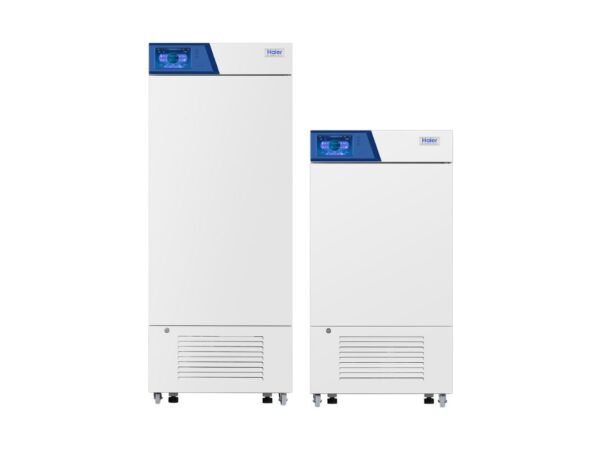
Haier Biomedical HSP 160
HSP-160 provides precise low-temperature control for sensitive biological samples. Ideal for labs needing consistent storage & stable growth condi...
-
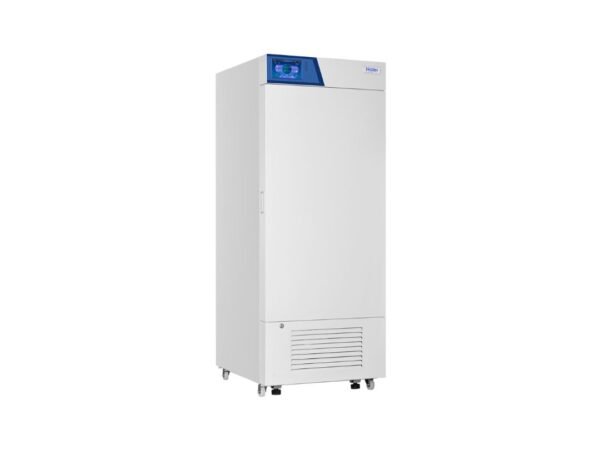
Haier Biomedical HSP 260
HSP-260 cooled incubator ensures precise 0-70°C temperature control. Ideal for bacterial, mold, and microorganism cultivation in labs and research in...
-
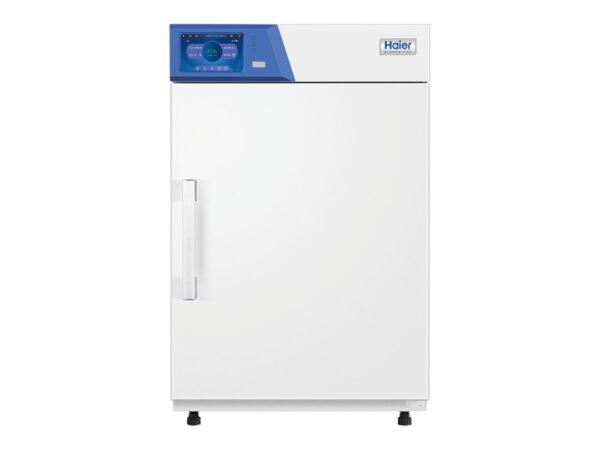
Haier Biomedical HZP 168
HZP-168 standard incubator offers precise RT+5~105°C temperature control. Suitable for bacterial, fungal, and enzyme culture experiments.
-
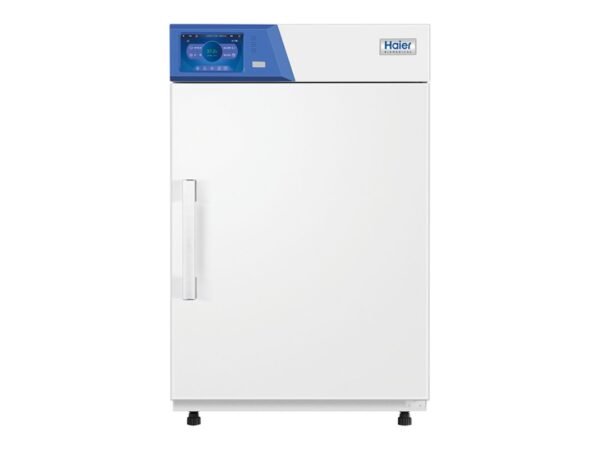
Haier Biomedical HZP 80E
HZP-80E standard incubator ensures stable RT+5~105°C temperature control. Ideal for bacterial, fungal, and constant temperature experiments.
-
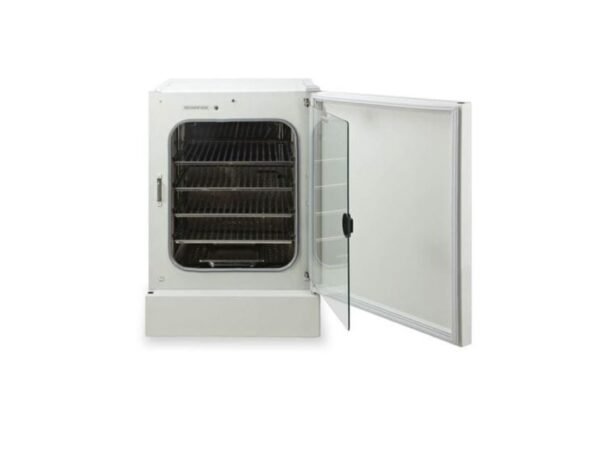
NuAire nu 8600
The NU-8600 Water Jacket CO2 incubator combines traditional temperature uniformity & stability with modern touchscreen control. Experience effortl...
-
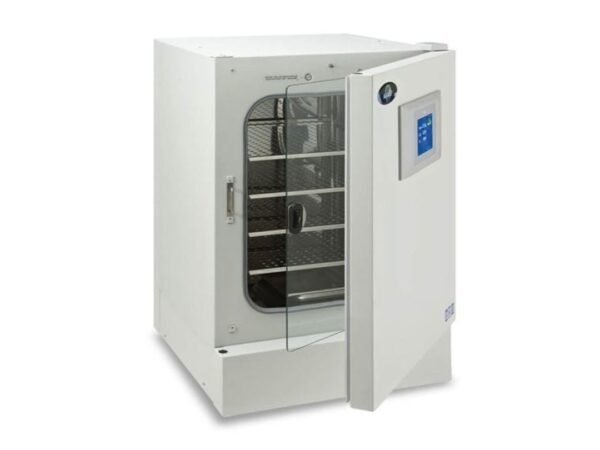
NuAire nu 8625
The In-VitroCell NU-8625 water jacket CO2 incubator ensures optimal cell culture growth. It features an advanced humidity sensor, 160-liter stainless ...
-
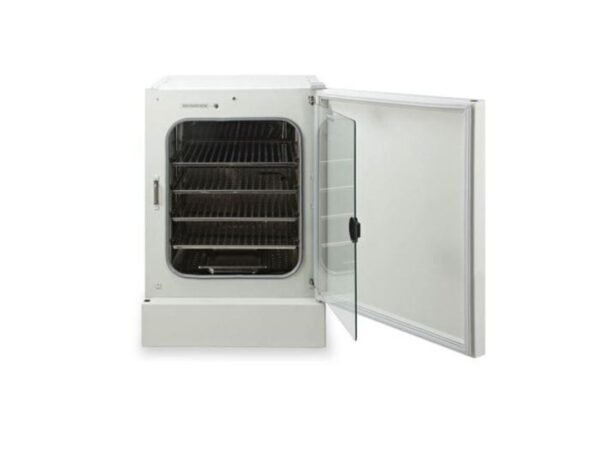
NuAire nu 8631
The NU-8631 Water Jacket CO2 Incubator expertly regulates cell culture environments. It features advanced O2 monitoring & N2 injection for precise...
-
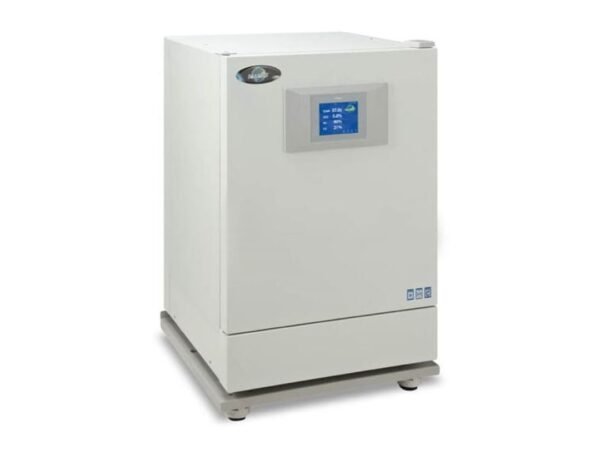
NuAire nu 8645
The NU-8645 In-VitroCell CO2 Incubator provides precise temperature & humidity control. Water jacket design & oxygen suppression system ensure...
-
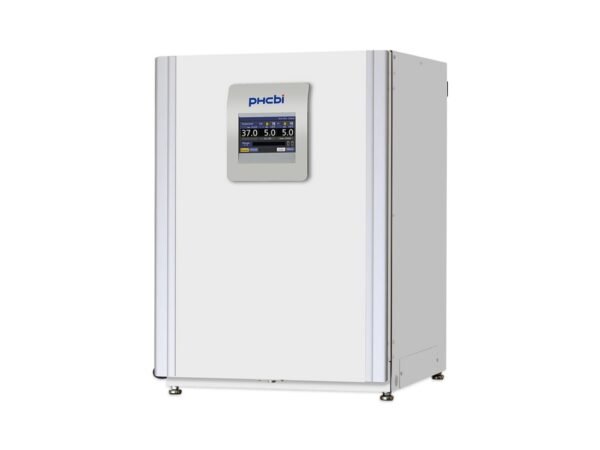
PHCbi Cell IQ Multigas MCO 170MP PA
The PHCbi Cell-IQ MCO-170MP-PA multigas CO2/O2 incubator optimizes mammalian cell cultures by mimicking in vivo conditions with variable O2 control. I...
-

PHCbi Cell IQ Stackable Multigas MCO 50M PA
PHCbi Cell-IQ MCO-50M-PA multigas incubator ensures precise CO2/O2 control, stable temperature, & superior contamination defense. Its compact, sta...
-

Thermo Fisher Scientific Vios™ iDx 165 L and 255 L Tri-Gas CO₂Incubator catalog no 51036514
The Vios iDx Tri-Gas CO2 Incubator offers proven protection for sensitive cell cultures. Featuring in-chamber sensors, HEPA filtration, Steri-Run ster...
-
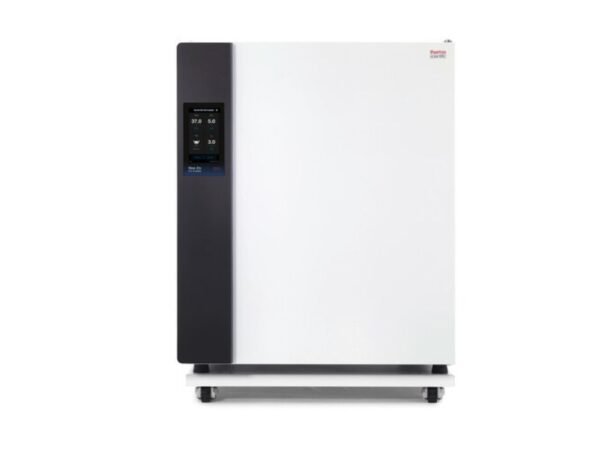
Thermo Fisher Scientific Vios™ iDx 165 L and 255 L Tri-Gas CO₂Incubator catalog no 51036515
The Vios iDx Tri-Gas CO2 Incubator ensures superior cell culture protection. It features in-chamber sensors, HEPA filtration, Steri-Run sterilization,...