

Laboratory Ovens and Furnaces for Precise Temperature Control
A laboratory oven is essential equipment engineered to provide controlled heating across a broad range of scientific and industrial applications. In contrast to incubators, which function near physiological temperature ranges, laboratory ovens and furnaces are designed to reach and maintain significantly higher temperatures, typically from 5 to 300 °C for ovens and up to four-digit temperatures for specialized furnaces. These devices are routinely employed for drying, curing, and thermal conditioning processes, where consistent heat exposure is critical for method validation and reproducible results.read more
Laboratory ovens are available in gravity convection, mechanical convection, and vacuum configurations, each tailored to specific requirements for airflow, throughput, and sample sensitivity. Small benchtop ovens are suitable for limited glassware drying, while large-capacity units facilitate process development or pilot-scale production in pharmaceutical and materials laboratories. Selecting an appropriate temperature range for the intended protocol is vital, as it determines whether a single oven can accommodate both gentle drying and more demanding procedures such as curing and low-temperature annealing.
What Defines a High-Performance Laboratory Oven?
Key factors in evaluating a laboratory oven include heating technology, thermal insulation, and control logic, all of which influence the system’s suitability for specific research applications. An effective laboratory oven minimizes thermal gradients and maintains uniform temperature throughout the chamber, ensuring that samples on different shelves are exposed to identical conditions.
- Convection Technology: The airflow method is a primary distinguishing factor. Gravity convection ovens depend on natural thermal dynamics, with hot air rising and cool air sinking, making them suitable for powders that could be disrupted by a fan. Mechanical convection ovens, by contrast, use a blower to force air circulation, providing the superior temperature uniformity necessary for rigorous testing.
- Precision Control Interface: Contemporary oven controllers have evolved from basic analog dials to digital PID microprocessors. These advanced systems continuously monitor oven temperature and adjust heater output, delivering the precise temperature control required for sensitive analytical workflows.
- Temperature Range and Capacity: The required temperature range is a critical consideration, regardless of whether a small benchtop unit or a large floor model is needed. Standard laboratory ovens generally operate up to 300 °C, while high-performance furnaces are required for applications demanding higher temperatures.
- Construction and Safety: A high-quality laboratory oven features double-wall construction with fiberglass or ceramic insulation to minimize heat loss to the lab environment. Such isolation ensures the exterior housing remains cool to the touch, effectively protecting personnel even while the internal heat setting is high.
Where Can Laboratory Ovens Be Used?
The applications of laboratory ovens extend well beyond basic drying. In the biopharmaceutical and materials science sectors, these instruments are essential for process validation, quality control, and sample preparation.
- Pharmaceutical Stability Testing: Drug formulations require testing under thermal stress to predict shelf life. Convection ovens offer the stable, uniform environment necessary for accelerated aging protocols, supporting regulatory compliance.
- Glassware Sterilization: In microbiology and tissue culture laboratories, dry heat sterilization is a standard procedure. Laboratory ovens operating at 160–180 °C effectively eliminate microbial life on glassware and metal instruments without introducing moisture, as occurs with autoclaving.
- Material Science and Engineering: Annealing metals or curing synthetic resins requires precise thermal ramp rates. Convection ovens enable engineers to apply specific heat cycles, modifying material properties to achieve required durability standards.
- Sample Preparation and Analysis: Reliable laboratory ovens are essential for evaporating solvents from samples or drying tissues prior to analysis. Precise temperature control enables uniform moisture removal, ensuring that weight-based analytical measurements are both accurate and reproducible.
Showing 1–12 of 96 results
Category
- Bioreactors+
- Parallel Bioreactors
- Single-Use Bioreactors
- Stirred-Tank Bioreactors
- Capillary Electrophoresis Instruments+
- Capillary Gel Electrophoresis (CGE)
- Capillary Isoelectric Focusing (CIEF)
- Capillary Zone Electrophoresis (CZE)
- Cell Counters and Analyzers+
- Automated Cell Counters
- Manual Cell Counters
- Cellular Imaging Systems+
- Fluorescence Imaging Systems
- High-Content Imaging Systems
- Live-Cell Imaging Systems
- Centrifuges+
- Benchtop Centrifuges
- Clinical Centrifuges
- Micro Centrifuges
- Refrigerated Centrifuges
- Ultracentrifuges
- Chromatography Instruments+
- Gas Chromatography
- Ion Chromatography
- Liquid Chromatography
- Flow Cytometer+
- Cell Analyzers
- Cell Isolation Systems
- Cell Sorters
- High-Throughput Flow Cytometers
- Imaging Flow Cytometry
- Personal Flow Cytometers
- Portable/Benchtop Flow Cytometers
- Spectral Flow Cytometers
- Laboratory Incubators+
- CO2 Incubators
- Dry Bath Incubators
- Hypoxia Incubators and Chambers
- Incubator Shakers
- Laboratory Ovens
- Portable Incubators
- Thermal Mixers
- Laboratory Microscopes+
- Atomic Force Microscopes (AFM)
- Automated Modular Microscopes
- Compound Microscopes
- Confocal Microscopes
- Digital Microscopes
- Fluorescence Microscopes
- Inverted Microscopes
- Live Cell Imaging Microscopes
- Metallurgical Microscopes
- Multiphoton Microscopes
- Polarizing Microscopes
- Raman Microscopes
- Scanning Electron Microscopes (SEM)
- Stereo Microscopes
- Super-Resolution Microscopes
- Transmission Electron Microscopes (TEM)
- Upright Microscopes (Neuroscience)
- Liquid Handlers+
- Automated Pipetting Systems
- Multi-Channel Liquid Handlers
- Robotic Liquid Handlers
- Variable Volume Pipetting Systems
- Mass Spectrometers+
- Ambient Ionization
- APCI MS
- ESI MS
- FT ICR MS
- ICP MS
- Orbi Trap MS
- Quadrupole MS
- Time-of-Flight MS
- Microarray Scanners+
- DNA Microarray Scanners
- Laser-Based Microarray Scanners
- Microplate Readers+
- Absorbance Microplate Readers
- Fluorescence Microplate Readers
- Luminescence Microplate Readers
- Multimode Microplate Readers
- Particle Counters and Analyzers+
- Airborne Particle Counters
- Laser Diffraction Analyzers
- Liquid Particle Counters
- Nanoparticle Analyzers
- Portable Particle Counters
- Remote Particle Counters
Brand
- ACCU-SCOPE
- Agilent
- Airmodus
- Alphasense
- Analytik Jena
- ARGO-HYTOS
- Arrayit
- Aurora Biomed Inc.
- Azure Biosystems
- Baker
- BD Biosciences
- Beckman Coulter
- Beijing Challen Biotechnology
- Binder
- Bio-Techne
- Biobase
- BioRad
- BMG Labtech
- Bruker
- Celestron
- Cellbox
- Centurion Scientific Ltd
- ChemoMetec
- CleanAir
- Cleatech
- Corning
- Countstar
- CS Instruments
- CUBIC
- Cytek Biosciences
- Cytena
- Cytiva
- Data Technologies
- Descase
- Electrolab Biotech
- Eppendorf
- Euromex
- Evident
- Fermex
- Fluke
- Formulatrix
- Getinge
- Gilson
- GPC Bio
- Haier Biomedical
- Hamilton Company
- Hettich
- Hitachi High-Tech
- Hudson Robotics Inc.
- Hydro
- INFORS HT
- Innopsys
- Jasco
- Jeiotech
- JEOL
- Kanomax
- Keyence
- KNAUER
- LAB-KITS
- Labomed
- Labwit
- Leco
- Leica
- Lighthouse
- Logos Biosystems
- LOSI
- Lumex Instruments
- Luminex
- Malvern Panalytical
- Meiji Techno
- Memmert
- Merck
- Mettler-Toledo International Inc.
- Miltenyi Biotec
- Molecular Devices
- Motic
- MP Filtri
- MSE (Medical and Scientific Equipment)
- NCI
- Nikon Instruments
- NuAire
- ORFLO Technologies
- Oxford Instruments
- PAMAS
- Particle Measuring Systems
- Particles Plus
- PBS Biotech
- PCE instruments
- PerkinElmer
- PharSol
- PHCbi
- Prior Scientific
- Promega
- Qiagen NV
- Revvity
- RION
- Sartorius
- SATAKE
- Sciex
- Sebia
- SETA
- Setra
- Shimadzu
- SIBATA
- Sigma Laborzentrifugen GmbH
- Solaris Biotech
- Solida Biotech
- Sony Biotechnology Inc.
- SPT Labtech Ltd
- Stratedigm Inc.
- Sysmex Corporation
- Tecan
- TES
- Thermo Fisher Scientific
- TSI
- Waters
- Western States Machine Company
- ZEISS
- ZETRON
-
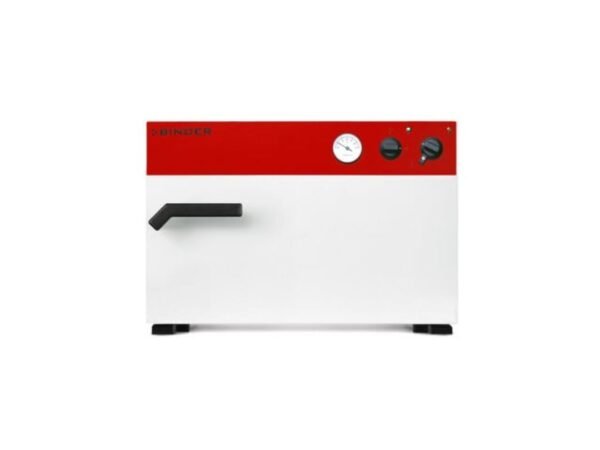
Binder Model B 28
The BINDER B 28 incubator offers 28L of capacity with mechanical control and stable temperature for lab experiments.
-
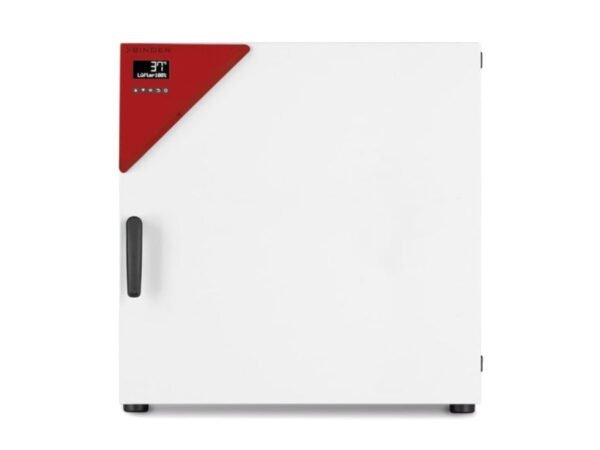
Binder Model BD 115
The BINDER BD 115 incubator delivers 115L of controlled incubation for sample stability and reproducible results.
-
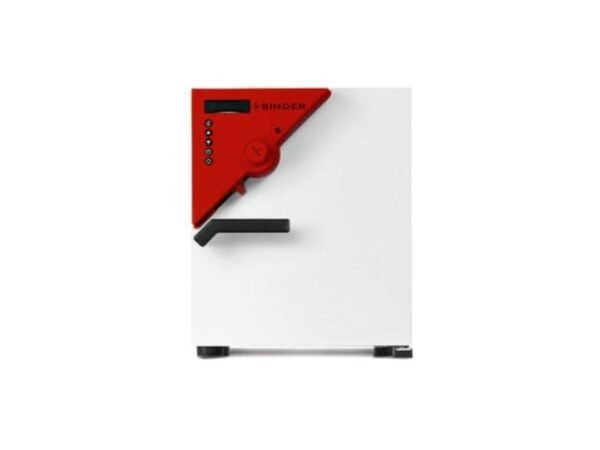
Binder Model BD 23
BINDER BD 23 incubator with 23L capacity, ambient +5°C to +100°C, natural convection and timer control.
-
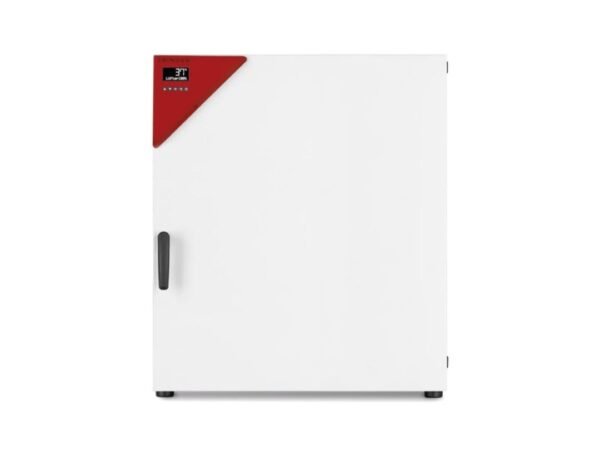
Binder Model BD 260
The BINDER BD 260 incubator ensures 260L high-throughput incubation with accurate temperature control and stable operation.
-
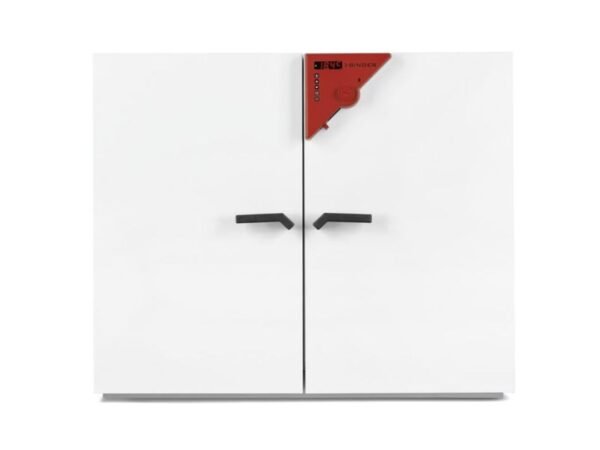
Binder Model BD 400
BINDER BD 400 large 400L incubator with ambient +5°C to +100°C, gravity convection and stable operation.
-
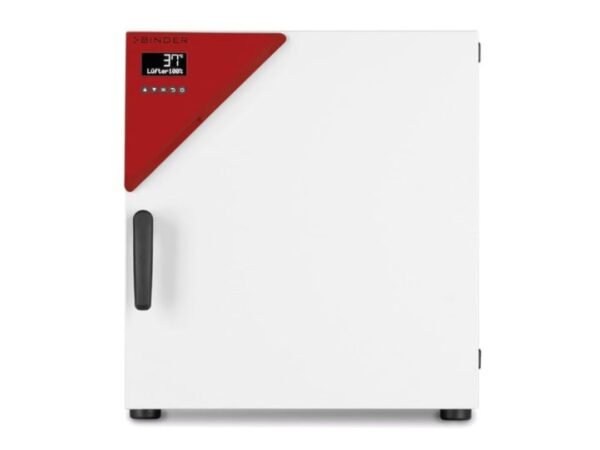
Binder Model BD 56
The BINDER BD 56 incubator provides 56L capacity with gravity convection and precise temperature regulation for research labs.
-

Binder Model BD 720
The BINDER BD 720 incubator provides 720L large-capacity incubation with precise temperature and reliable performance for large labs.
-
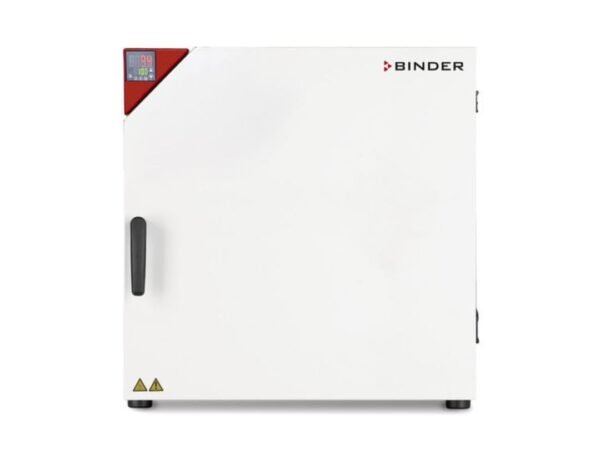
Binder Model BD S 115
BINDER BD-S 115 incubator with 115L capacity, ambient +5°C to +70°C, natural convection and stable lab performance.
-
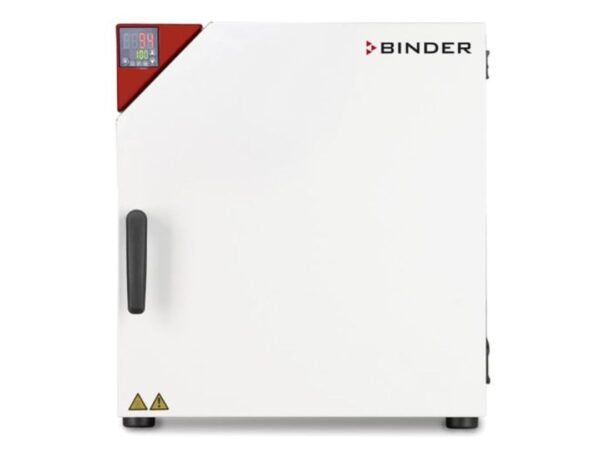
Binder Model BD S 56
BINDER BD-S 56 incubator, 56L capacity, ambient +5°C to +70°C, natural convection and timer controller.
-

Binder Model BF 115
BINDER BF 115 forced-convection incubator, 115L, ambient +8°C to +100°C, high uniformity for sensitive samples.
-

Binder Model BF 260
BINDER BF 260 forced-convection incubator, 260L, ambient +7°C to +100°C, designed for high-throughput labs.
-
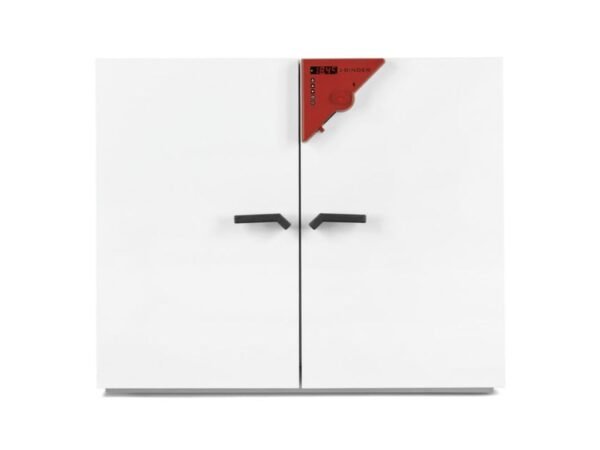
Binder Model BF 400
BINDER BF 400 forced-convection incubator, 400L, ambient +7°C to +100°C, for mid-large scale lab incubation.