

Portable Incubators
Portable incubators bridge the gap between controlled laboratory environments and the realities of fieldwork, mobile labs, and space-limited research settings. These compact systems are designed to deliver reliable temperature control and, in some models, controlled gas environments wherever experiments need to run, from clinical outreach sites to environmental monitoring stations. By combining stability with mobility, portable incubators enable sample incubation, cell culture, and microbiology workflows without relying on a fixed lab infrastructure.read more
For life science teams under pressure to generate results quickly, portable incubators reduce delays caused by sample transport and limited access to benchtop equipment. Field-ready units can maintain defined conditions during transit, support on-site culturing or incubation steps, and help protect sample integrity over extended journeys. Modern systems span simple temperature-only units through to portable CO₂ incubators capable of supporting demanding cell culture and microbiology applications, offering a viable alternative when full-sized incubators are impractical or cost-prohibitive. As a result, they are increasingly used in research, diagnostics, environmental testing, and teaching labs that need flexible, scalable incubation capacity.
Key features
- Compact, rugged construction: Portable incubators are typically smaller and lighter than standard benchtop units, with reinforced outer casings, insulated walls, and secure latching lids or doors to withstand frequent transport and field handling.
- Stable temperature control: Most instruments provide precise temperature regulation within a defined range using natural or forced air convection, often with digital controllers that maintain setpoints despite changing ambient conditions.
- Flexible power options: Many portable laboratory incubators support multiple power inputs, including mains, vehicle adapters, and battery operation, helping maintain incubation conditions during travel or in locations with unreliable grid power.
- Energy-efficient design: Low-power heaters, optimized insulation, and efficient control electronics reduce energy consumption, extending battery life and making these units suitable for resource-limited or off-grid environments.
- Configurable capacity and layout: Units are available with different internal volumes, removable baskets, or shelving to accommodate culture plates, tubes, or sample containers, enabling users to match capacity to specific workflows.
- Advanced variants with gas control: Portable CO₂ incubators integrate temperature, humidity, and CO₂ regulation to support sensitive cell culture or microbiology assays, offering conditions comparable to larger dedicated systems in a compact footprint.
Applications of Portable Incubators
- Microbiology and water treatment research: Portable heated incubators are widely used to grow and maintain microbiological cultures for cell research, environmental monitoring, and water treatment research, where constant temperature and precise incubation conditions are critical for reliable results. Their compact, temperature-controlled design provides safer sample transportation and prevents accidental openings during field deployment.
- Chemical and microbiological testing in transit: These temperature-controlled systems support chemical and microbiological testing workflows during transportation between collection sites and core laboratories, helping protect specimen integrity and reduce variability caused by delays. When paired with a newer secure latch lid and standard type of batteries or incorporated lightweight lithium-iron phosphate packs, they offer safer sample transportation and prevent accidental lid openings in automobiles or other vehicles.
- Versatile mobile lab equipment: As versatile pieces of portable lab equipment, these heated incubators support incubation steps in mobile labs, teaching environments, and temporary setups where benchtop units are impractical. Compact, portable heated designs with both heating and cooling capabilities enable laboratories to maintain precise incubation conditions across a range of microbiology, cell-based, and general laboratory applications, and users can request a quote for portable incubators that match their specific capacity and performance requirements.
Showing 1–12 of 54 results
Category
- Bioreactors+
- Parallel Bioreactors
- Single-Use Bioreactors
- Stirred-Tank Bioreactors
- Capillary Electrophoresis Instruments+
- Capillary Gel Electrophoresis (CGE)
- Capillary Isoelectric Focusing (CIEF)
- Capillary Zone Electrophoresis (CZE)
- Cell Counters and Analyzers+
- Automated Cell Counters
- Manual Cell Counters
- Cellular Imaging Systems+
- Fluorescence Imaging Systems
- High-Content Imaging Systems
- Live-Cell Imaging Systems
- Centrifuges+
- Benchtop Centrifuges
- Clinical Centrifuges
- Micro Centrifuges
- Refrigerated Centrifuges
- Ultracentrifuges
- Chromatography Instruments+
- Gas Chromatography
- Ion Chromatography
- Liquid Chromatography
- Flow Cytometer+
- Cell Analyzers
- Cell Isolation Systems
- Cell Sorters
- High-Throughput Flow Cytometers
- Imaging Flow Cytometry
- Personal Flow Cytometers
- Portable/Benchtop Flow Cytometers
- Spectral Flow Cytometers
- Laboratory Incubators+
- CO2 Incubators
- Dry Bath Incubators
- Hypoxia Incubators and Chambers
- Incubator Shakers
- Laboratory Ovens
- Portable Incubators
- Thermal Mixers
- Laboratory Microscopes+
- Atomic Force Microscopes (AFM)
- Automated Modular Microscopes
- Compound Microscopes
- Confocal Microscopes
- Digital Microscopes
- Fluorescence Microscopes
- Inverted Microscopes
- Live Cell Imaging Microscopes
- Metallurgical Microscopes
- Multiphoton Microscopes
- Polarizing Microscopes
- Raman Microscopes
- Scanning Electron Microscopes (SEM)
- Stereo Microscopes
- Super-Resolution Microscopes
- Transmission Electron Microscopes (TEM)
- Upright Microscopes (Neuroscience)
- Liquid Handlers+
- Automated Pipetting Systems
- Multi-Channel Liquid Handlers
- Robotic Liquid Handlers
- Variable Volume Pipetting Systems
- Mass Spectrometers+
- Ambient Ionization
- APCI MS
- ESI MS
- FT ICR MS
- ICP MS
- Orbi Trap MS
- Quadrupole MS
- Time-of-Flight MS
- Microarray Scanners+
- DNA Microarray Scanners
- Laser-Based Microarray Scanners
- Microplate Readers+
- Absorbance Microplate Readers
- Fluorescence Microplate Readers
- Luminescence Microplate Readers
- Multimode Microplate Readers
- Particle Counters and Analyzers+
- Airborne Particle Counters
- Laser Diffraction Analyzers
- Liquid Particle Counters
- Nanoparticle Analyzers
- Portable Particle Counters
- Remote Particle Counters
Brand
- ACCU-SCOPE
- Agilent
- Airmodus
- Alphasense
- Analytik Jena
- ARGO-HYTOS
- Arrayit
- Aurora Biomed Inc.
- Azure Biosystems
- Baker
- BD Biosciences
- Beckman Coulter
- Beijing Challen Biotechnology
- Binder
- Bio-Techne
- Biobase
- BioRad
- BMG Labtech
- Bruker
- Celestron
- Cellbox
- Centurion Scientific Ltd
- ChemoMetec
- CleanAir
- Cleatech
- Corning
- Countstar
- CS Instruments
- CUBIC
- Cytek Biosciences
- Cytena
- Cytiva
- Data Technologies
- Descase
- Electrolab Biotech
- Eppendorf
- Euromex
- Evident
- Fermex
- Fluke
- Formulatrix
- Getinge
- Gilson
- GPC Bio
- Haier Biomedical
- Hamilton Company
- Hettich
- Hitachi High-Tech
- Hudson Robotics Inc.
- Hydro
- INFORS HT
- Innopsys
- Jasco
- Jeiotech
- JEOL
- Kanomax
- Keyence
- KNAUER
- LAB-KITS
- Labomed
- Labwit
- Leco
- Leica
- Lighthouse
- Logos Biosystems
- LOSI
- Lumex Instruments
- Luminex
- Malvern Panalytical
- Meiji Techno
- Memmert
- Merck
- Mettler-Toledo International Inc.
- Miltenyi Biotec
- Molecular Devices
- Motic
- MP Filtri
- MSE (Medical and Scientific Equipment)
- NCI
- Nikon Instruments
- NuAire
- ORFLO Technologies
- Oxford Instruments
- PAMAS
- Particle Measuring Systems
- Particles Plus
- PBS Biotech
- PCE instruments
- PerkinElmer
- PharSol
- PHCbi
- Prior Scientific
- Promega
- Qiagen NV
- Revvity
- RION
- Sartorius
- SATAKE
- Sciex
- Sebia
- SETA
- Setra
- Shimadzu
- SIBATA
- Sigma Laborzentrifugen GmbH
- Solaris Biotech
- Solida Biotech
- Sony Biotechnology Inc.
- SPT Labtech Ltd
- Stratedigm Inc.
- Sysmex Corporation
- Tecan
- TES
- Thermo Fisher Scientific
- TSI
- Waters
- Western States Machine Company
- ZEISS
- ZETRON
-

Cellbox™ Go Flight
The Cellbox Go Flight incubator provides a stable environment for cell growth during air transport, ensuring precise CO₂ and temperature control for...
-
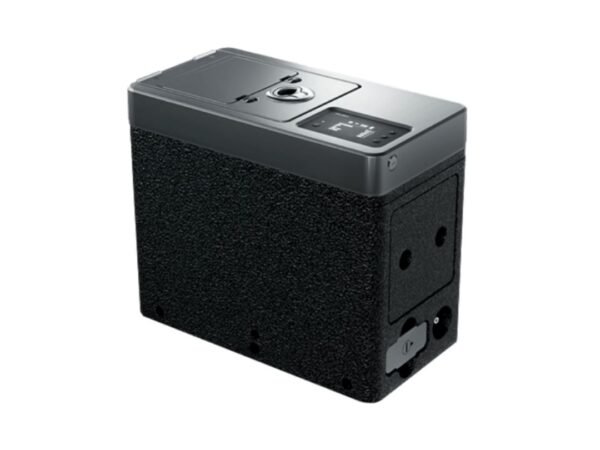
Cellbox™ Go Ground
The Cellbox Go Ground incubator ensures stable CO₂ levels and optimal conditions for cell growth during ground transport, maintaining reproducibilit...
-

Cellbox™ Shipper Flight
The Cellbox Shipper Flight incubator ensures optimal CO₂ and temperature stability for cells during shipment, protecting sensitive samples from fluc...
-
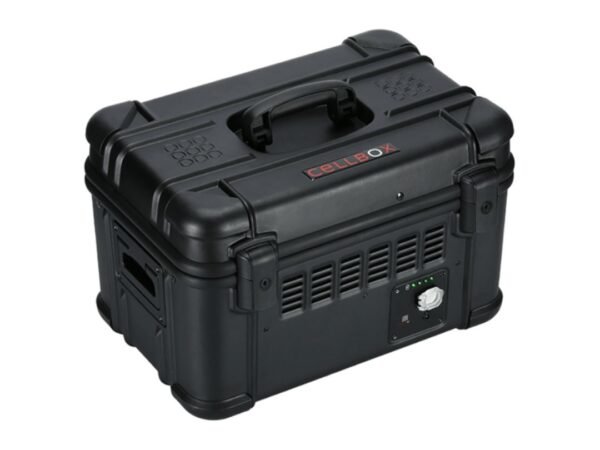
Cellbox™ Shipper Ground
The Cellbox Shipper Ground incubator delivers consistent CO₂ and temperature conditions for safe sample transport by land, ensuring sample integrity...
-

Thermo Fisher Scientific Heratherm™ Advanced Protocol Microbiological catalog no 51028066
Heratherm Advanced Protocol Microbiological Incubator (66 L) ensures precise drying applications with dual convection technology. Experience exception...
-

Thermo Fisher Scientific Heratherm™ Advanced Protocol Microbiological catalog no 51028067
Heratherm Advanced Protocol Microbiological Incubators feature dual convection for superior temperature uniformity & stability. Ideal for precise ...
-

Thermo Fisher Scientific Heratherm™ Advanced Protocol Microbiological catalog no 51028068
Heratherm Advanced Protocol Microbiological Incubator 178 L delivers precise drying applications. Dual convection technology, microprocessor control, ...
-

Thermo Fisher Scientific Heratherm™ Advanced Protocol Microbiological catalog no 51028133
Heratherm Advanced Protocol Microbiological Incubators provide 66L capacity for drying applications. Dual convection technology & precise temperat...
-

Thermo Fisher Scientific Heratherm™ Advanced Protocol Microbiological catalog no 51028134
Achieve precise drying applications with Heratherm Advanced Protocol Microbiological Incubators, 104L. These incubators offer dual convection technolo...
-

Thermo Fisher Scientific Heratherm™ Advanced Protocol Microbiological catalog no 51028135
Heratherm Advanced Protocol Microbiological Incubators, 178 L, feature dual convection for drying applications. Benefit from precise temperature contr...
-

Thermo Fisher Scientific Heratherm™ Advanced Protocol Microbiological catalog no 51028717
Heratherm Advanced Protocol Microbiological Incubators (66 L) are designed for precise drying applications. They feature dual convection technology, e...
-

Thermo Fisher Scientific Heratherm™ Advanced Protocol Microbiological catalog no 51028718
Heratherm Advanced Protocol Microbiological Incubators offer precise temperature control & uniformity. Equipped with dual convection technology, t...