

Thermal Mixers
Thermal mixers represent essential laboratory equipment that combines precise temperature control with efficient mixing capabilities, enabling researchers to optimize critical workflows in molecular biology, biochemistry, and pharmaceutical research. These versatile instruments maintain consistent temperatures while simultaneously agitating samples, ensuring uniform reaction conditions that are fundamental to achieving reproducible experimental results. Modern thermal mixers serve as indispensable tools for applications ranging from DNA extraction and enzymatic reactions to sample preparation and protein analysis.read more
Laboratory mixers equipped with heating and cooling functions provide researchers with the flexibility to perform temperature-sensitive protocols with greater accuracy and efficiency. The integration of programmable temperature settings and adjustable mixing speeds allows scientists to customize conditions for specific experimental requirements, reducing hands-on time while improving throughput. Whether conducting PCR setups, lysing cells, or facilitating enzymatic assays, a reliable lab mixer ensures that samples are processed under optimal conditions. These instruments have become cornerstone technologies in research laboratories, clinical diagnostics, and quality control environments where precision and consistency are paramount.
Key Features
Thermal mixers offer several critical features that distinguish them as essential laboratory equipment for temperature-controlled sample preparation:
- Advanced heating and cooling systems maintain temperature stability within ±0.1°C, ensuring consistent reaction conditions across samples and eliminating temperature-related experimental variability.
- Most laboratory mixers operate from +4°C to 100°C, with control ranges extending from 15°C below ambient temperature to 100°C, accommodating diverse experimental protocols.
- Adjustable shaking speeds typically ranging from 250 to 1400 rpm enable gentle mixing for delicate samples or vigorous agitation for challenging homogenization tasks.
- Modular block designs accommodate various tube sizes and formats, from 0.2 mL PCR tubes to 2.0 mL microcentrifuge tubes, maximizing experimental flexibility.
- Fast heat-up and cooling times minimize wait periods between experiments, increase laboratory productivity and workflow efficiency.
- Digital controls and programmable settings allow researchers to save protocols and ensure reproducibility across multiple experimental runs.
Applications of Thermal Mixers
Thermal mixers serve critical functions across multiple research disciplines and laboratory settings:
- Molecular biology and PCR workflows: Digital thermal mixers with variable speed and temperature control are ideal for heating reaction mixtures, PCR setup optimization, nucleic acid incubation, and DNA/RNA purification, where precise temperature control and temperature accuracy ensure reproducibility across amplification steps.
- Enzyme reactions and biochemistry: Programmable thermal mixers with orbital or rotational shaking provide precise and efficient heating for enzyme reactions, protein denaturation, and biochemical assays that require both temperature and mixing functions to maintain optimal reaction conditions.
- Sample preparation protocols: Lab thermal mixers and blocks with interchangeable formats and a choice of blocks for microtubes accommodate different tube sizes from PCR tubes to Eppendorf microtubes, supporting lysis reactions, protein extraction, and sample processing where mixing and temperature control are essential.
- Cell culture and incubation: Temperature control with the thermo block design combined with controlled shaking samples supports cell culture workflows, bacterial growth studies, and incubator-adjacent applications requiring precise temperature control across a specific temperature range.
- ELISA and microplate assays: Digital thermal mixers configured for microplate formats provide shaking and heating capabilities with temperature calibration function, ensuring temperature control of samples and reproducibility in immunoassays and high-throughput screening.
- Temperature-sensitive reactions: The precision and temperature accuracy of heating and mixing systems compensate for differences in the thermal behavior of various plastics, enabling researchers to gain variable speed and temperature settings for controlled thawing, heat shock procedures, and other protocols demanding precise temperature control across a variety of applications.
Showing all 7 results
Category
- Bioreactors+
- Parallel Bioreactors
- Single-Use Bioreactors
- Stirred-Tank Bioreactors
- Capillary Electrophoresis Instruments+
- Capillary Gel Electrophoresis (CGE)
- Capillary Isoelectric Focusing (CIEF)
- Capillary Zone Electrophoresis (CZE)
- Cell Counters and Analyzers+
- Automated Cell Counters
- Manual Cell Counters
- Cellular Imaging Systems+
- Fluorescence Imaging Systems
- High-Content Imaging Systems
- Live-Cell Imaging Systems
- Centrifuges+
- Benchtop Centrifuges
- Clinical Centrifuges
- Micro Centrifuges
- Refrigerated Centrifuges
- Ultracentrifuges
- Chromatography Instruments+
- Gas Chromatography
- Ion Chromatography
- Liquid Chromatography
- Flow Cytometer+
- Cell Analyzers
- Cell Isolation Systems
- Cell Sorters
- High-Throughput Flow Cytometers
- Imaging Flow Cytometry
- Personal Flow Cytometers
- Portable/Benchtop Flow Cytometers
- Spectral Flow Cytometers
- Laboratory Incubators+
- CO2 Incubators
- Dry Bath Incubators
- Hypoxia Incubators and Chambers
- Incubator Shakers
- Laboratory Ovens
- Portable Incubators
- Thermal Mixers
- Laboratory Microscopes+
- Atomic Force Microscopes (AFM)
- Automated Modular Microscopes
- Compound Microscopes
- Confocal Microscopes
- Digital Microscopes
- Fluorescence Microscopes
- Inverted Microscopes
- Live Cell Imaging Microscopes
- Metallurgical Microscopes
- Multiphoton Microscopes
- Polarizing Microscopes
- Raman Microscopes
- Scanning Electron Microscopes (SEM)
- Stereo Microscopes
- Super-Resolution Microscopes
- Transmission Electron Microscopes (TEM)
- Upright Microscopes (Neuroscience)
- Liquid Handlers+
- Automated Pipetting Systems
- Multi-Channel Liquid Handlers
- Robotic Liquid Handlers
- Variable Volume Pipetting Systems
- Mass Spectrometers+
- Ambient Ionization
- APCI MS
- ESI MS
- FT ICR MS
- ICP MS
- Orbi Trap MS
- Quadrupole MS
- Time-of-Flight MS
- Microarray Scanners+
- DNA Microarray Scanners
- Laser-Based Microarray Scanners
- Microplate Readers+
- Absorbance Microplate Readers
- Fluorescence Microplate Readers
- Luminescence Microplate Readers
- Multimode Microplate Readers
- Particle Counters and Analyzers+
- Airborne Particle Counters
- Laser Diffraction Analyzers
- Liquid Particle Counters
- Nanoparticle Analyzers
- Portable Particle Counters
- Remote Particle Counters
Brand
- ACCU-SCOPE
- Agilent
- Airmodus
- Alphasense
- Analytik Jena
- ARGO-HYTOS
- Arrayit
- Aurora Biomed Inc.
- Azure Biosystems
- Baker
- BD Biosciences
- Beckman Coulter
- Beijing Challen Biotechnology
- Binder
- Bio-Techne
- Biobase
- BioRad
- BMG Labtech
- Bruker
- Celestron
- Cellbox
- Centurion Scientific Ltd
- ChemoMetec
- CleanAir
- Cleatech
- Corning
- Countstar
- CS Instruments
- CUBIC
- Cytek Biosciences
- Cytena
- Cytiva
- Data Technologies
- Descase
- Electrolab Biotech
- Eppendorf
- Euromex
- Evident
- Fermex
- Fluke
- Formulatrix
- Getinge
- Gilson
- GPC Bio
- Haier Biomedical
- Hamilton Company
- Hettich
- Hitachi High-Tech
- Hudson Robotics Inc.
- Hydro
- INFORS HT
- Innopsys
- Jasco
- Jeiotech
- JEOL
- Kanomax
- Keyence
- KNAUER
- LAB-KITS
- Labomed
- Labwit
- Leco
- Leica
- Lighthouse
- Logos Biosystems
- LOSI
- Lumex Instruments
- Luminex
- Malvern Panalytical
- Meiji Techno
- Memmert
- Merck
- Mettler-Toledo International Inc.
- Miltenyi Biotec
- Molecular Devices
- Motic
- MP Filtri
- MSE (Medical and Scientific Equipment)
- NCI
- Nikon Instruments
- NuAire
- ORFLO Technologies
- Oxford Instruments
- PAMAS
- Particle Measuring Systems
- Particles Plus
- PBS Biotech
- PCE instruments
- PerkinElmer
- PharSol
- PHCbi
- Prior Scientific
- Promega
- Qiagen NV
- Revvity
- RION
- Sartorius
- SATAKE
- Sciex
- Sebia
- SETA
- Setra
- Shimadzu
- SIBATA
- Sigma Laborzentrifugen GmbH
- Solaris Biotech
- Solida Biotech
- Sony Biotechnology Inc.
- SPT Labtech Ltd
- Stratedigm Inc.
- Sysmex Corporation
- Tecan
- TES
- Thermo Fisher Scientific
- TSI
- Waters
- Western States Machine Company
- ZEISS
- ZETRON
-
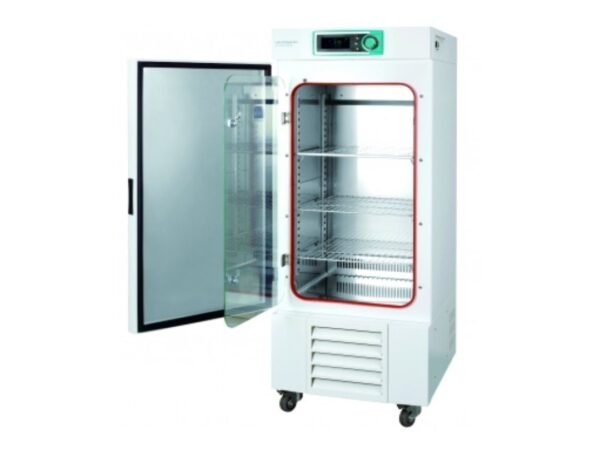
Jeiotech IL3 15
IL3 15 offers 15 L chamber, accurate digital temperature control, stainless-steel interior, and over-temperature alarm for safe laboratory heating ope...
-
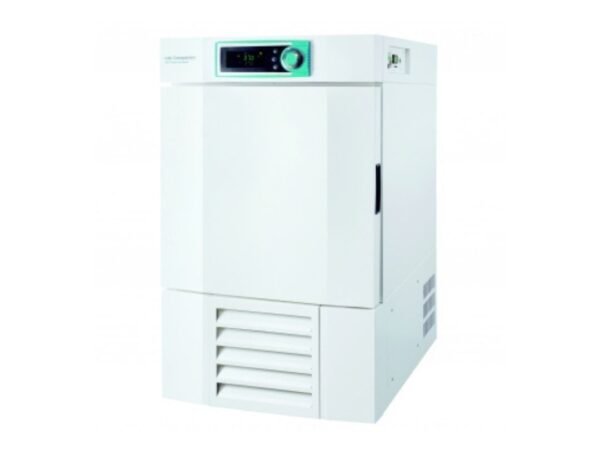
Jeiotech IL3 15A
IL3 15A provides 15 L chamber, accurate digital temperature control, stainless-steel interior, and advanced safety features for laboratory heating app...
-
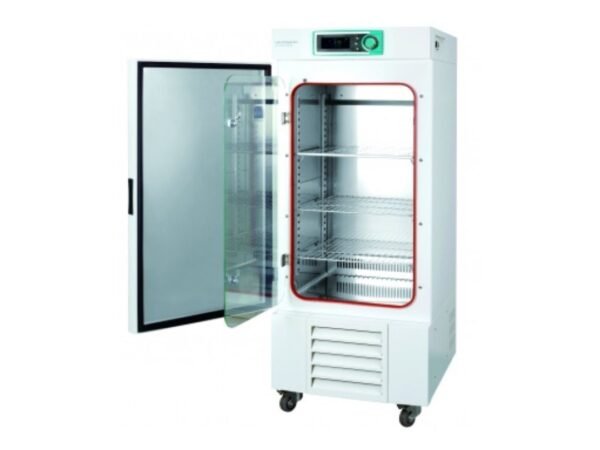
Jeiotech IL3 25
IL3 25 features 25 L chamber, digital temperature controller, stainless-steel interior, and over-temperature alarm for reliable lab heating and drying...
-
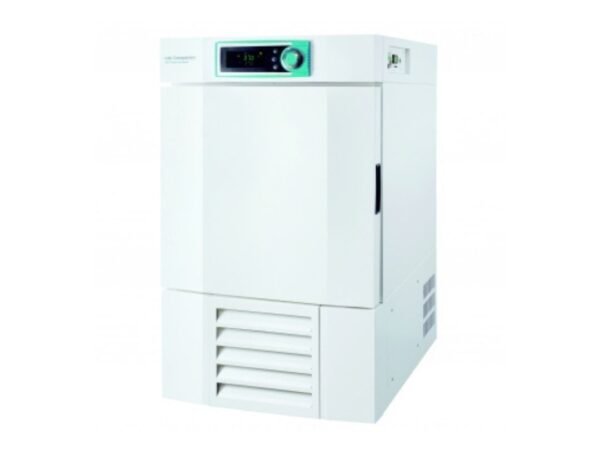
Jeiotech IL3 25A
IL3 25A features 25 L chamber, precise digital temperature control, stainless-steel interior, and advanced over-temperature safety for lab heating exp...
-
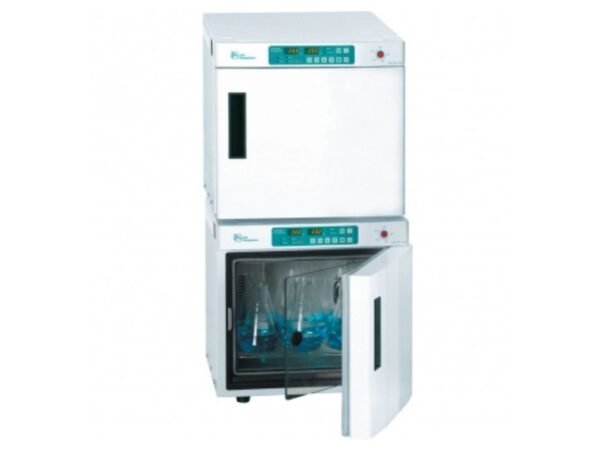
Jeiotech ILP 02
The ILP‑02 features 14 litre chamber, quiet peltier cooling from ~10 °C upward, digital PID controller, stainless steel interior and stackable benc...
-
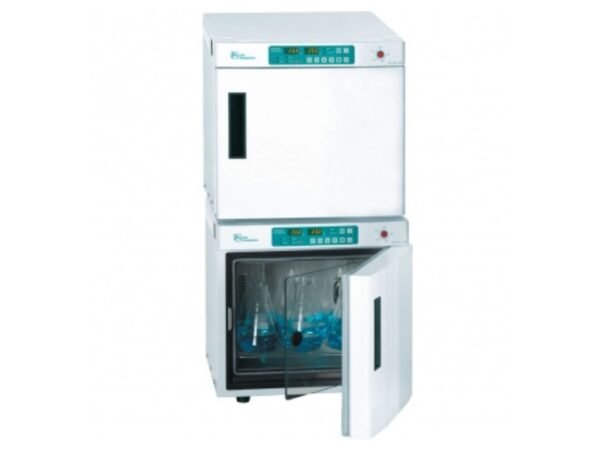
Jeiotech ILP 12
The ILP‑12 offers 48 litre capacity, peltier‑based low‑temperature operation (~+10 °C to +40 °C), digital timer and controller, RS‑232 inter...
-
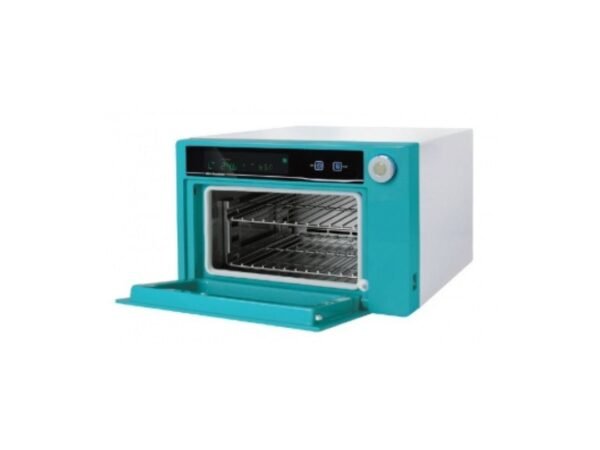
Jeiotech IM 10
ILP 12 features 48 L chamber, Peltier-based low-temp control from +10 °C to +40 °C, digital PID controller, RS‑232 interface & stainless-steel...