

Automated Modular Microscopes for Flexible, High-Throughput Imaging
Automated modular microscopes combine motorized hardware system, intelligent control software, and a configurable optical platform to streamline image acquisition across a wide variety of life science workflows. By integrating automation with a modular frame, these systems support everything from routine plate imaging to advanced live-cell or multiparametric experiments without requiring a complete instrument replacement each time the workflow evolves. For busy laboratories that need higher throughput, better reproducibility, and more flexible configurations, this category bridges the gap between traditional manual microscopes and fully customized versatile imaging platforms.read more
In practice, automated modular microscopy typically combine automated XY stages, motorized Z focusing or precision piezo, fluorescence filter wheels, shutters, and multiple detector options on a shared, open architecture frame. This enables rapid scanning of multiwell plates, slides, or specialized sample carriers while maintaining precise focus and illumination across large datasets. Automation reduces operator intervention and manual variability, which improves consistency when imaging demanding formats such as 96‑well or 384‑well plates and large tiled regions. At the same time, the modular design lets laboratories add or swap components such as objectives, cameras, or excitation modules as application requirements change, protecting the long‑term value of the platform.
For researchers, this combination of automation and modularity translates into faster, more reproducible imaging with the freedom to support new assays, labels, or sample formats over time. Automated microscopes free users from repetitive acquisition tasks, allowing more time for experiment design and data interpretation, while the modular microscope architecture ensures that a single system can support many different imaging workflows across the laboratory.
Key features
- Automated imaging performance: Automated microscopes use high-speed motorized XY stages and precise motorized or piezo Z drives to scan samples rapidly while maintaining accurate focus across large areas or multiwell plates.
- High-throughput plate imaging: Automated microscopy systems support efficient acquisition of 96‑well and 384‑well plates, helping laboratories increase sample throughput and reduce per-sample imaging time.
- Modular microscope architecture: Modular microscopes are built on open frames that accept interchangeable stages, illumination modules, objectives, filter cubes, and detectors, enabling tailored configurations for specific assays.
- Flexible optical configuration: Automated modular microscopes can be configured with infinity-corrected optics, multi-wavelength excitation and emission filter wheels, and fluorescence filter cubes to support complex, multichannel imaging protocols.
- Integrated autofocus and stabilization: Many automatic microscopes include hardware or software autofocus and focus-stabilization functions to maintain sharp images during long time-lapse or multi-position acquisitions.
- Software-controlled workflows: Microscope automation is coordinated through dedicated control software that handles stage movement, focus, illumination, and image capture, enabling reproducible, scripted imaging routines.
- Compatibility with OEM and custom systems: Some automated modular microscope platforms are designed as OEM-ready frames, allowing integration into larger automated microscopy systems or custom imaging solutions.
Applications of Automated Modular Microscopes
- High-throughput screening: Automated modular microscopes support rapid imaging of multiwell plates for cell-based assays, compound screening, and phenotypic profiling in drug discovery workflows.
- Live-cell imaging: Automated microscope systems maintain focus and environmental stability during long time-lapse experiments, enabling quantitative analysis of dynamic cellular processes.
- Multi-modal fluorescence imaging: Configurable fluorescence filter sets and detectors allow modular microscopes to capture multichannel images for immunofluorescence, reporter assays, and multiplexed labeling strategies.
- Digital pathology and slide scanning: Automated stages and tiled acquisition routines allow high-resolution imaging of tissue sections and large specimens for pathology, histology, or morphology studies.
- Genomics and sequencing workflows: Some systems are used in imaging-based sequencing, colony picking, or spot detection workflows that require precise, repetitive imaging across large arrays.
- Industrial and quality-control imaging: Automated modular microscopes can be configured for inspection of materials, microstructures, or devices where repeatable, high-throughput imaging is important.
Showing all 4 results
Category
- Bioreactors+
- Parallel Bioreactors
- Single-Use Bioreactors
- Stirred-Tank Bioreactors
- Capillary Electrophoresis Instruments+
- Capillary Gel Electrophoresis (CGE)
- Capillary Isoelectric Focusing (CIEF)
- Capillary Zone Electrophoresis (CZE)
- Cell Counters and Analyzers+
- Automated Cell Counters
- Manual Cell Counters
- Cellular Imaging Systems+
- Fluorescence Imaging Systems
- High-Content Imaging Systems
- Live-Cell Imaging Systems
- Centrifuges+
- Benchtop Centrifuges
- Clinical Centrifuges
- Micro Centrifuges
- Refrigerated Centrifuges
- Ultracentrifuges
- Chromatography Instruments+
- Gas Chromatography
- Ion Chromatography
- Liquid Chromatography
- Flow Cytometer+
- Cell Analyzers
- Cell Isolation Systems
- Cell Sorters
- High-Throughput Flow Cytometers
- Imaging Flow Cytometry
- Personal Flow Cytometers
- Portable/Benchtop Flow Cytometers
- Spectral Flow Cytometers
- Laboratory Incubators+
- CO2 Incubators
- Dry Bath Incubators
- Hypoxia Incubators and Chambers
- Incubator Shakers
- Laboratory Ovens
- Portable Incubators
- Thermal Mixers
- Laboratory Microscopes+
- Atomic Force Microscopes (AFM)
- Automated Modular Microscopes
- Compound Microscopes
- Confocal Microscopes
- Digital Microscopes
- Fluorescence Microscopes
- Inverted Microscopes
- Live Cell Imaging Microscopes
- Metallurgical Microscopes
- Multiphoton Microscopes
- Polarizing Microscopes
- Raman Microscopes
- Scanning Electron Microscopes (SEM)
- Stereo Microscopes
- Super-Resolution Microscopes
- Transmission Electron Microscopes (TEM)
- Upright Microscopes (Neuroscience)
- Liquid Handlers+
- Automated Pipetting Systems
- Multi-Channel Liquid Handlers
- Robotic Liquid Handlers
- Variable Volume Pipetting Systems
- Mass Spectrometers+
- Ambient Ionization
- APCI MS
- ESI MS
- FT ICR MS
- ICP MS
- Orbi Trap MS
- Quadrupole MS
- Time-of-Flight MS
- Microarray Scanners+
- DNA Microarray Scanners
- Laser-Based Microarray Scanners
- Microplate Readers+
- Absorbance Microplate Readers
- Fluorescence Microplate Readers
- Luminescence Microplate Readers
- Multimode Microplate Readers
- Particle Counters and Analyzers+
- Airborne Particle Counters
- Laser Diffraction Analyzers
- Liquid Particle Counters
- Nanoparticle Analyzers
- Portable Particle Counters
- Remote Particle Counters
Brand
- ACCU-SCOPE
- Agilent
- Airmodus
- Alphasense
- Analytik Jena
- ARGO-HYTOS
- Arrayit
- Aurora Biomed Inc.
- Azure Biosystems
- Baker
- BD Biosciences
- Beckman Coulter
- Beijing Challen Biotechnology
- Binder
- Bio-Techne
- Biobase
- BioRad
- BMG Labtech
- Bruker
- Celestron
- Cellbox
- Centurion Scientific Ltd
- ChemoMetec
- CleanAir
- Cleatech
- Corning
- Countstar
- CS Instruments
- CUBIC
- Cytek Biosciences
- Cytena
- Cytiva
- Data Technologies
- Descase
- Electrolab Biotech
- Eppendorf
- Euromex
- Evident
- Fermex
- Fluke
- Formulatrix
- Getinge
- Gilson
- GPC Bio
- Haier Biomedical
- Hamilton Company
- Hettich
- Hitachi High-Tech
- Hudson Robotics Inc.
- Hydro
- INFORS HT
- Innopsys
- Jasco
- Jeiotech
- JEOL
- Kanomax
- Keyence
- KNAUER
- LAB-KITS
- Labomed
- Labwit
- Leco
- Leica
- Lighthouse
- Logos Biosystems
- LOSI
- Lumex Instruments
- Luminex
- Malvern Panalytical
- Meiji Techno
- Memmert
- Merck
- Mettler-Toledo International Inc.
- Miltenyi Biotec
- Molecular Devices
- Motic
- MP Filtri
- MSE (Medical and Scientific Equipment)
- NCI
- Nikon Instruments
- NuAire
- ORFLO Technologies
- Oxford Instruments
- PAMAS
- Particle Measuring Systems
- Particles Plus
- PBS Biotech
- PCE instruments
- PerkinElmer
- PharSol
- PHCbi
- Prior Scientific
- Promega
- Qiagen NV
- Revvity
- RION
- Sartorius
- SATAKE
- Sciex
- Sebia
- SETA
- Setra
- Shimadzu
- SIBATA
- Sigma Laborzentrifugen GmbH
- Solaris Biotech
- Solida Biotech
- Sony Biotechnology Inc.
- SPT Labtech Ltd
- Stratedigm Inc.
- Sysmex Corporation
- Tecan
- TES
- Thermo Fisher Scientific
- TSI
- Waters
- Western States Machine Company
- ZEISS
- ZETRON
-
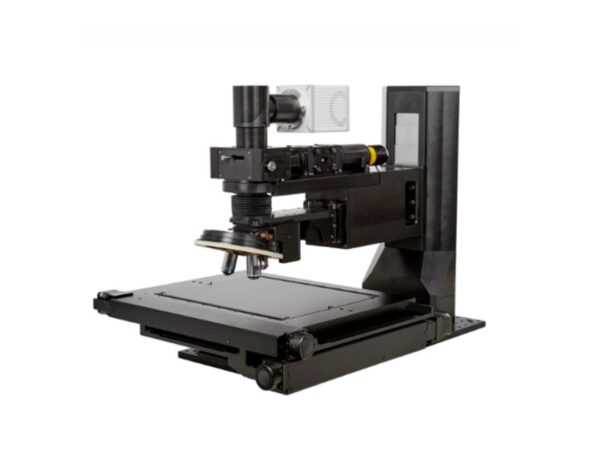
Prior Scientific OpenStand-L
The OpenStand Large Format Microscope is designed for versatile imaging, accommodating large samples with precision.
-

Prior Scientific OpenStand-M
The OpenStand M Microscope features modular components for flexible imaging setups, ideal for research and customization.
-
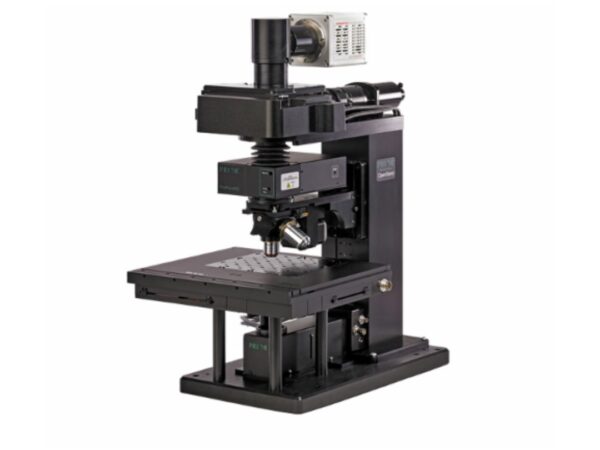
Prior Scientific OpenStand-U
The OpenStand Upright Microscope delivers high-resolution imaging, ideal for scientific applications requiring upright configurations.
-
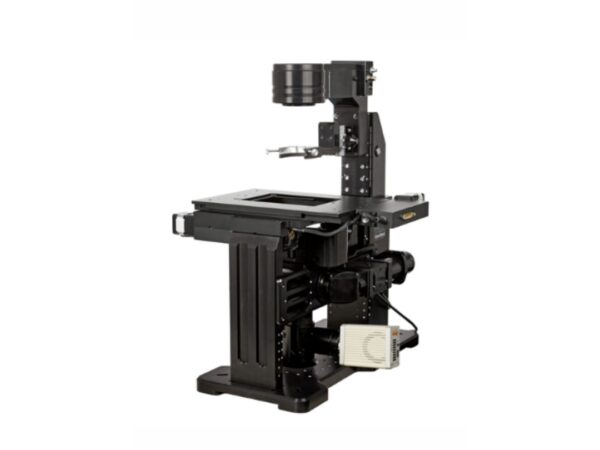
Prior Scientific OpenStand-V
The OpenStand Inverted Microscope offers precision imaging for automated applications, providing versatility and high resolution.