

Inverted Microscopes
Inverted microscopes represent a specialized category of optical instrumentation designed with a reversed optical configuration compared to conventional upright microscopes. In these systems, the light source and condenser are positioned above the specimen stage, while the objective lenses are located below, pointing upward toward the sample. This inverted architecture enables observation of specimens through the bottom of culture vessels, making these instruments particularly valuable for life science research applications.read more
The inverted design provides significant advantages for examining living cells and tissues in their natural growth environment without physical disturbance. Researchers can access culture vessels from above while maintaining optimal environmental conditions, facilitating long-term observation studies. The configuration accommodates various culture containers, including multi-well plates, flasks, and perfusion chambers, which rest directly on the microscope stage. Modern inverted microscopes integrate multiple imaging modalities, including brightfield, phase contrast, differential interference contrast, and fluorescence techniques. These capabilities support diverse applications across cell biology, developmental biology, tissue engineering, and pharmaceutical research. The optical pathway maintains image quality equivalent to upright systems while offering enhanced accessibility for micromanipulation procedures.
Key Features
Optical Configuration
- Inverted optical path places objectives beneath the stage and light sources above, enabling bottom-up specimen observation through culture vessel floors.
- Multiple illumination modes including transmitted light, phase contrast, differential interference contrast, and fluorescence microscopy support varied imaging requirements.
- Long working distance objectives accommodate thick samples and three-dimensional cell cultures while maintaining high-resolution and high-quality imaging capabilities.
Imaging Performance
- High-resolution optics deliver clear visualization of cellular morphology, subcellular structures, and dynamic processes in real-time.
- Advanced magnification systems provide flexible magnification ranges suitable for both overview scanning and detailed structural analysis.
- Camera integration options enable digital image capture, time-lapse recording, and quantitative analysis of cellular behaviors.
Stage and Sample Handling
- Open-access stage design allows easy manipulation of culture vessels and integration of environmental control chambers.
- Compatibility with standard culture vessels including dishes, flasks, multi-well plates, and specialized microfluidic devices.
- Environmental control capabilities support temperature regulation, CO₂ monitoring, and humidity maintenance for prolonged live cell studies.
Workflow Integration
- Micromanipulation compatibility facilitates procedures such as cell transfection, microinjection, and electrophysiology experiments.
- Automated imaging systems enable high-throughput screening and analysis of large cell populations across multiple conditions.
- Software integration provides advanced image processing, analysis, and data management capabilities for research workflows.
Applications of Inverted Microscopes
Cell Culture Research
Inverted microscopes offer as primary tools for monitoring cell growth, morphology, and viability in standard culture systems. The design allows researchers to observe adherent cells growing on the bottom of culture vessels without disruption, supporting routine quality assessment and experimental monitoring. Phase contrast and differential interference contrast techniques enhance visualization of transparent, unstained cells.
Live Cell Imaging
Real-time observation of dynamic cellular processes represents a key application for inverted research microscopes. The stable platform and environmental control integration enable extended time-lapse studies of cell division, migration, differentiation, and response to stimuli. Fluorescence capabilities support visualization of labeled proteins, organelles, and signaling pathways in living systems.
Tissue Engineering
Three-dimensional tissue constructs and organoid cultures benefit from the long working distance and accessibility provided by inverted microscope are used. Researchers can monitor tissue culture, assess structural organization, and evaluate cellular interactions within complex scaffolds and matrices.
Drug Development
Pharmaceutical research utilizes inverted microscopes with camera systems for high-content screening and toxicity assessments. Automated imaging platforms enable parallel evaluation of drug effects on cellular morphology, proliferation, and survival across multiple treatment conditions.
Stem Cell Biology
Stem cell culture monitoring requires non-invasive observation to maintain cell viability and pluripotency. Inverted microscopes provide the necessary imaging capabilities while allowing manipulation for colony selection, differentiation studies, and quality control procedures.
Showing 1–12 of 19 results
Category
- Bioreactors+
- Parallel Bioreactors
- Single-Use Bioreactors
- Stirred-Tank Bioreactors
- Capillary Electrophoresis Instruments+
- Capillary Gel Electrophoresis (CGE)
- Capillary Isoelectric Focusing (CIEF)
- Capillary Zone Electrophoresis (CZE)
- Cell Counters and Analyzers+
- Automated Cell Counters
- Manual Cell Counters
- Cellular Imaging Systems+
- Fluorescence Imaging Systems
- High-Content Imaging Systems
- Live-Cell Imaging Systems
- Centrifuges+
- Benchtop Centrifuges
- Clinical Centrifuges
- Micro Centrifuges
- Refrigerated Centrifuges
- Ultracentrifuges
- Chromatography Instruments+
- Gas Chromatography
- Ion Chromatography
- Liquid Chromatography
- Flow Cytometer+
- Cell Analyzers
- Cell Isolation Systems
- Cell Sorters
- High-Throughput Flow Cytometers
- Imaging Flow Cytometry
- Personal Flow Cytometers
- Portable/Benchtop Flow Cytometers
- Spectral Flow Cytometers
- Laboratory Incubators+
- CO2 Incubators
- Dry Bath Incubators
- Hypoxia Incubators and Chambers
- Incubator Shakers
- Laboratory Ovens
- Portable Incubators
- Thermal Mixers
- Laboratory Microscopes+
- Atomic Force Microscopes (AFM)
- Automated Modular Microscopes
- Compound Microscopes
- Confocal Microscopes
- Digital Microscopes
- Fluorescence Microscopes
- Inverted Microscopes
- Live Cell Imaging Microscopes
- Metallurgical Microscopes
- Multiphoton Microscopes
- Polarizing Microscopes
- Raman Microscopes
- Scanning Electron Microscopes (SEM)
- Stereo Microscopes
- Super-Resolution Microscopes
- Transmission Electron Microscopes (TEM)
- Upright Microscopes (Neuroscience)
- Liquid Handlers+
- Automated Pipetting Systems
- Multi-Channel Liquid Handlers
- Robotic Liquid Handlers
- Variable Volume Pipetting Systems
- Mass Spectrometers+
- Ambient Ionization
- APCI MS
- ESI MS
- FT ICR MS
- ICP MS
- Orbi Trap MS
- Quadrupole MS
- Time-of-Flight MS
- Microarray Scanners+
- DNA Microarray Scanners
- Laser-Based Microarray Scanners
- Microplate Readers+
- Absorbance Microplate Readers
- Fluorescence Microplate Readers
- Luminescence Microplate Readers
- Multimode Microplate Readers
- Particle Counters and Analyzers+
- Airborne Particle Counters
- Laser Diffraction Analyzers
- Liquid Particle Counters
- Nanoparticle Analyzers
- Portable Particle Counters
- Remote Particle Counters
Brand
- ACCU-SCOPE
- Agilent
- Airmodus
- Alphasense
- Analytik Jena
- ARGO-HYTOS
- Arrayit
- Aurora Biomed Inc.
- Azure Biosystems
- Baker
- BD Biosciences
- Beckman Coulter
- Beijing Challen Biotechnology
- Binder
- Bio-Techne
- Biobase
- BioRad
- BMG Labtech
- Bruker
- Celestron
- Cellbox
- Centurion Scientific Ltd
- ChemoMetec
- CleanAir
- Cleatech
- Corning
- Countstar
- CS Instruments
- CUBIC
- Cytek Biosciences
- Cytena
- Cytiva
- Data Technologies
- Descase
- Electrolab Biotech
- Eppendorf
- Euromex
- Evident
- Fermex
- Fluke
- Formulatrix
- Getinge
- Gilson
- GPC Bio
- Haier Biomedical
- Hamilton Company
- Hettich
- Hitachi High-Tech
- Hudson Robotics Inc.
- Hydro
- INFORS HT
- Innopsys
- Jasco
- Jeiotech
- JEOL
- Kanomax
- Keyence
- KNAUER
- LAB-KITS
- Labomed
- Labwit
- Leco
- Leica
- Lighthouse
- Logos Biosystems
- LOSI
- Lumex Instruments
- Luminex
- Malvern Panalytical
- Meiji Techno
- Memmert
- Merck
- Mettler-Toledo International Inc.
- Miltenyi Biotec
- Molecular Devices
- Motic
- MP Filtri
- MSE (Medical and Scientific Equipment)
- NCI
- Nikon Instruments
- NuAire
- ORFLO Technologies
- Oxford Instruments
- PAMAS
- Particle Measuring Systems
- Particles Plus
- PBS Biotech
- PCE instruments
- PerkinElmer
- PharSol
- PHCbi
- Prior Scientific
- Promega
- Qiagen NV
- Revvity
- RION
- Sartorius
- SATAKE
- Sciex
- Sebia
- SETA
- Setra
- Shimadzu
- SIBATA
- Sigma Laborzentrifugen GmbH
- Solaris Biotech
- Solida Biotech
- Sony Biotechnology Inc.
- SPT Labtech Ltd
- Stratedigm Inc.
- Sysmex Corporation
- Tecan
- TES
- Thermo Fisher Scientific
- TSI
- Waters
- Western States Machine Company
- ZEISS
- ZETRON
-
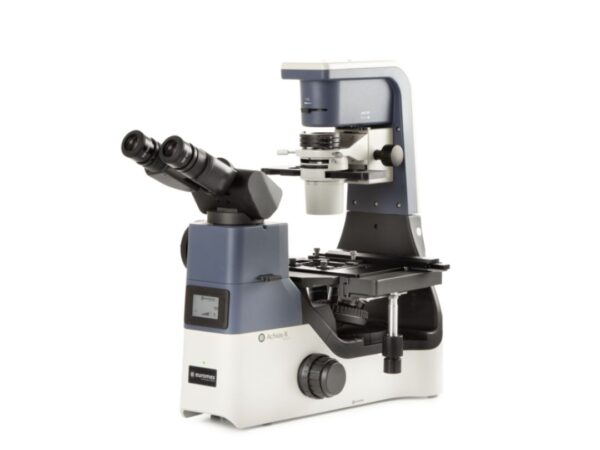
Euromex Achios-X Inverso
Achios-X Inverso is built for tissue culture observation and basic biological workflows.
-
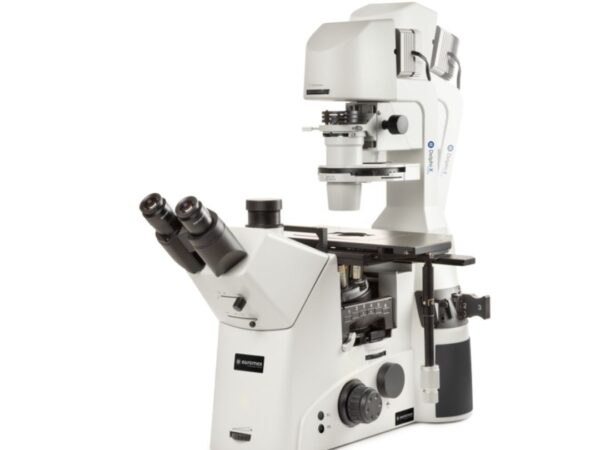
Euromex Delphi-X Inverso
Delphi-X Inverso offers exceptional performance for tissue culture and live-cell imaging.
-
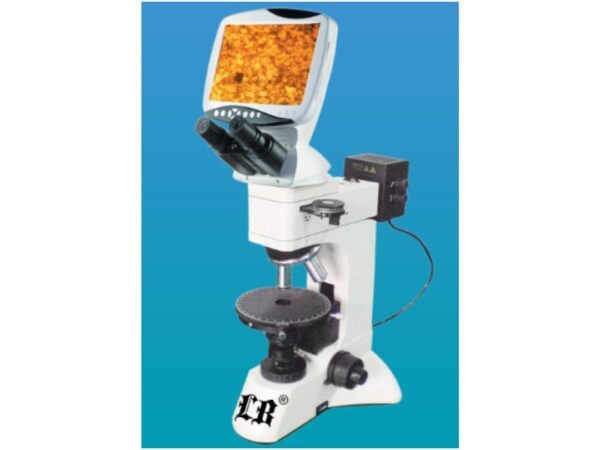
Labomed LB-1500
Provides clear, precise imaging for demanding research tasks.
-
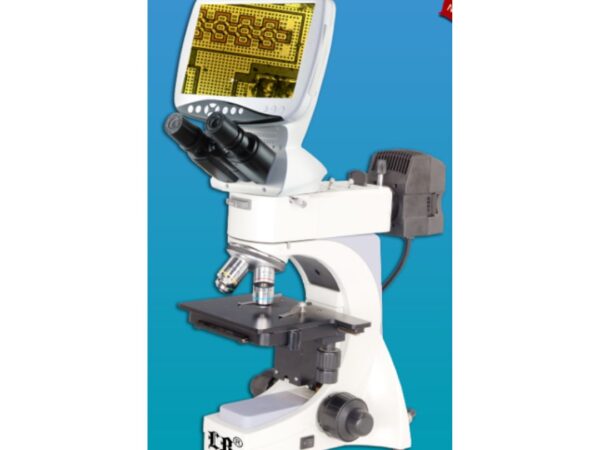
Labomed LB-1600
Combines comfort and precision optics for biological research.
-

Labomed LB-1602
Enhances microscopy with digital imaging and analysis software.
-
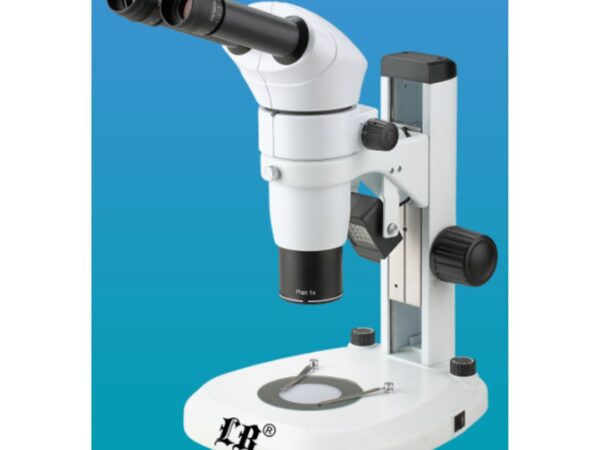
Labomed LB-360
Delivers sharp stereo images with adjustable arm, ideal for fine mechanical and electronic work.
-
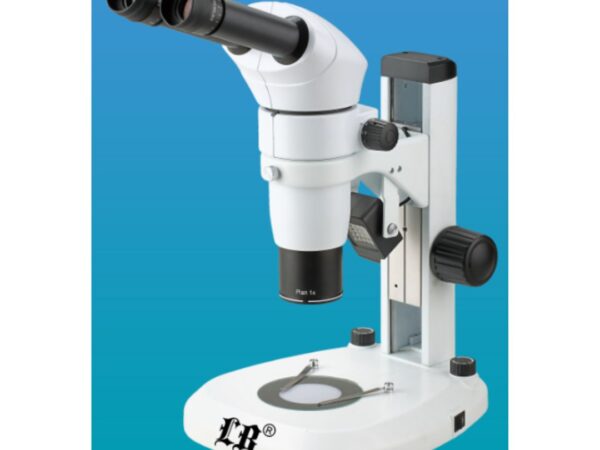
Labomed LB-361
Provides ergonomic viewing with a pole stand, suitable for varied lab and industrial tasks.
-
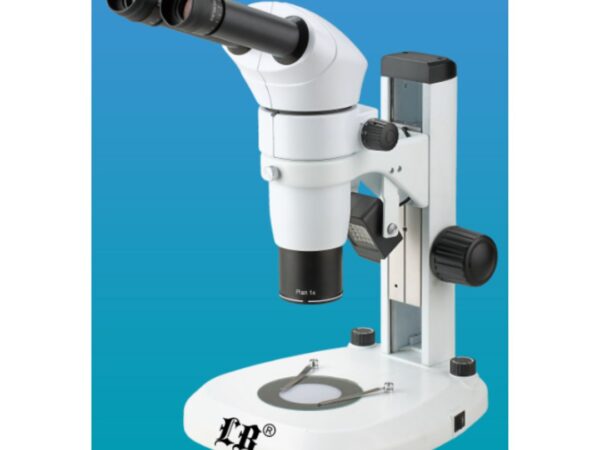
Labomed LB-362
Enables 3D viewing with camera port and adjustable stand for flexible laboratory use.
-
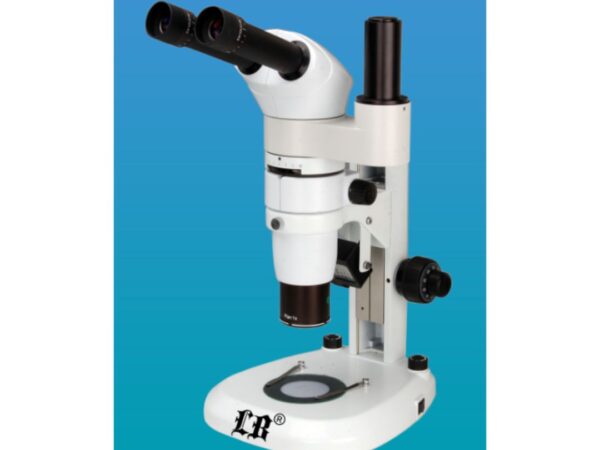
Labomed LB-363
Designed for ergonomic 3D viewing on large samples with versatile boom arm positioning.
-
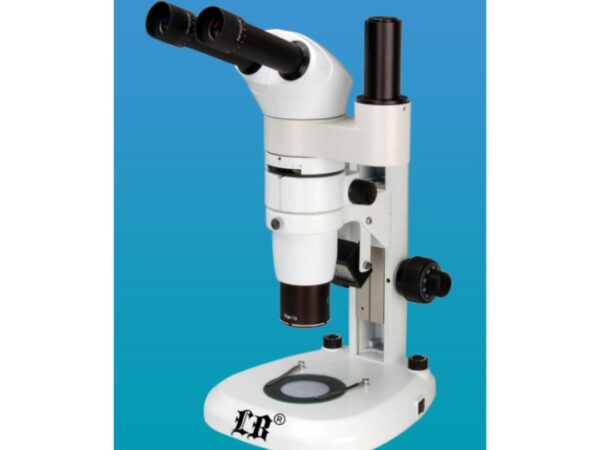
Labomed LB-365
Provides sharp stereo images with camera port and ergonomic boom stand for large samples.
-
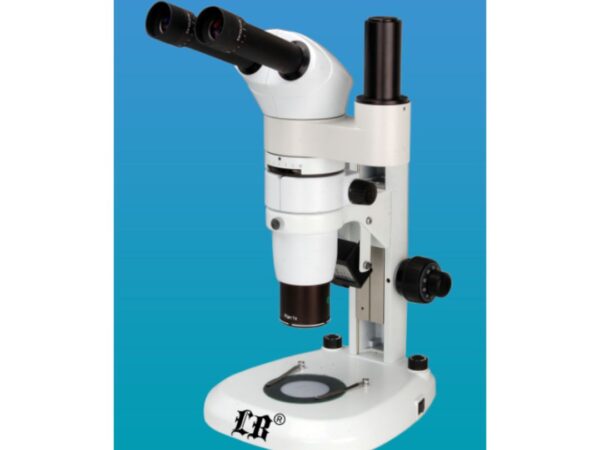
Labomed LB-366
Ideal for industrial and research labs needing versatile sample access with 3D viewing.
-
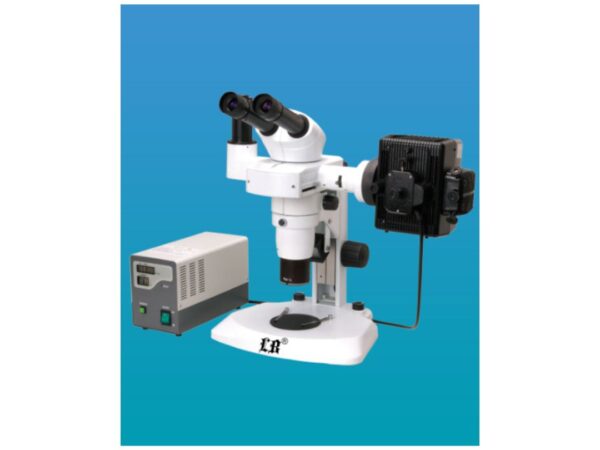
Labomed LB-367
Provides superior 3D visualization with imaging port and adjustable stand for comfort.