

Mass Spectrometers
Mass spectrometers are highly versatile analytical tools that detect and measure ions based on their mass-to-charge ratio, enabling the identification and quantification of chemical compounds. Mass spectrometry ionizes chemical compounds to generate charged particles. These ions are then accelerated and separated according to their mass-to-charge ratios in an electric or magnetic field. The detector measures the abundance of each ion, producing a spectrum that reveals the identity and quantity of the compounds present. This process allows precise analysis of complex mixtures at very low concentrations. Mass spectrometry is frequently integrated with separation methods like GC-MS and LC-MS.read more
Innovations such as tandem mass spectrometry (MS/MS) and high-resolution systems in mass spectrometry labs improve precision and sensitivity, establishing them as essential instruments across scientific research and industrial fields.
Essential Features
- Compact single quadrupole mass spectrometry systems pair ambient ionization with an atmospheric pressure solids analysis probe to provide fast, real-time analysis of liquids and solids in as little as 30 seconds. They need little to no sample preparation, eliminate the need for chromatography, and require minimal training. As a result, they offer laboratories an affordable, user-friendly solution for obtaining reliable data, simplifying workflows, and accelerating turnaround times.
- Matrix-assisted laser desorption ionization (MALDI) mass spectrometry imaging allows detailed, high-resolution molecular visualization directly from tissue or other matrix-coated samples. It enables simultaneous spatial mapping of a wide range of analytes, including peptides, lipids, glycans, and metabolites, with high mass accuracy and minimal oversampling. MALDI also integrates well with complementary methods such as DESI, delivering comprehensive full-spectrum molecular imaging.
- Time-of-flight mass spectrometers use two detectors: a linear detector located at the end of the flight tube and a reflector detector that captures ions redirected by the reflectron. The reflectron not only compensates for differences in the initial kinetic energy of ions with identical mass, avoiding shifts in their measured m/z, but also lengthens the ion flight path, which improves resolution.
- The electrospray ionization mass spectrometer delivers exceptional sensitivity for trace-level detection, dependable performance, and high-throughput capacity, all in a compact system equipped with user-friendly software that simplifies complex analytical workflows.
- Fourier transform ion cyclotron resonance mass spectrometry allows concurrent measurement of all five argon isotopes, delivering outstanding sensitivity, cutting-edge detection capabilities, and remarkable precision for noble gas isotope ratio studies. Its compact build, combined with advanced emission suppression, amplifier innovations, and fully integrated software, ensures superior stability, versatility, and control across diverse applications.
- Inductively coupled plasma mass spectrometry provides excellent sensitivity while reducing molecular interferences through a refined collision cell design and optimized ion path geometry. It also features advanced method development and diagnostic tools, a cost-effective plasma system, and user-friendly interfaces and sample introduction components for reliable and efficient trace element analysis.
Common Mass Spectrometry Applications
- Proteomics: Proteomics relies on mass spectrometers to analyze protein structure, activity, and interactions in biological systems. This approach supports a deeper understanding of disease mechanisms and contributes to the development of precision-based therapeutic strategies.
- Metabolomics: The mass spectrometry machine is employed for cancer screening and diagnosis, global metabolic fingerprinting, biomarker discovery and profiling, biofuel research, lipidomics investigations, and the analysis of metabolic disorders.
- Pharmaceutical field: An important application of mass spectrometry is in research and development. It supports drug discovery by examining metabolites, evaluating purity, and investigating pharmacokinetics to confirm both the safety and effectiveness of new therapies.
- Forensic science: Mass spectrometry serves as an essential technique for detecting unknown compounds at crime scenes, analyzing biological samples for drugs or toxins, and generating critical evidence to support criminal investigations.
- Environmental analysis: Mass spectrometry analysis is applied for testing drinking water, screening and quantifying pesticides, evaluating soil contamination, monitoring carbon dioxide and other pollutants, and performing trace elemental analysis of heavy metal leaching.
- Geochemistry: In geochemistry, mass spectrometry is applied for age dating, analyzing soil and rock composition, and conducting oil and gas exploration.
- Genomics: The technique is applied in genomic studies for mass analysis of nucleic acids, proteins, and peptides, with techniques like MALDI enabling rapid ionization-based separation and fast, accurate detection. It also facilitates DNA sequencing, distinguishes short oligonucleotides without gel electrophoresis, and precisely identifies numerous SNPs across the genome.
- Emerging applications: Mass spectrometry is used in medicine, finding applications in many areas, including the analysis of cerebrospinal fluid proteins linked to aging, the study of key proteins involved in neurodegenerative diseases, the detection of antimicrobial resistance using MALDI-TOF and LC-ESI-MS/MS, and the identification of biomarkers for cancer diagnosis through MS imaging. Beyond these, it is also being applied in pain management, transplant medicine, nutrition, and the diagnosis of conditions such as osteoarthritis and non-alcoholic fatty liver disease.
Showing 1–12 of 176 results
Category
- Bioreactors+
- Parallel Bioreactors
- Single-Use Bioreactors
- Stirred-Tank Bioreactors
- Capillary Electrophoresis Instruments+
- Capillary Gel Electrophoresis (CGE)
- Capillary Isoelectric Focusing (CIEF)
- Capillary Zone Electrophoresis (CZE)
- Cell Counters and Analyzers+
- Automated Cell Counters
- Manual Cell Counters
- Cellular Imaging Systems+
- Fluorescence Imaging Systems
- High-Content Imaging Systems
- Live-Cell Imaging Systems
- Centrifuges+
- Benchtop Centrifuges
- Clinical Centrifuges
- Micro Centrifuges
- Refrigerated Centrifuges
- Ultracentrifuges
- Chromatography Instruments+
- Gas Chromatography
- Ion Chromatography
- Liquid Chromatography
- Flow Cytometer+
- Cell Analyzers
- Cell Isolation Systems
- Cell Sorters
- High-Throughput Flow Cytometers
- Imaging Flow Cytometry
- Personal Flow Cytometers
- Portable/Benchtop Flow Cytometers
- Spectral Flow Cytometers
- Laboratory Incubators+
- CO2 Incubators
- Dry Bath Incubators
- Hypoxia Incubators and Chambers
- Incubator Shakers
- Laboratory Ovens
- Portable Incubators
- Thermal Mixers
- Laboratory Microscopes+
- Atomic Force Microscopes (AFM)
- Automated Modular Microscopes
- Compound Microscopes
- Confocal Microscopes
- Digital Microscopes
- Fluorescence Microscopes
- Inverted Microscopes
- Live Cell Imaging Microscopes
- Metallurgical Microscopes
- Multiphoton Microscopes
- Polarizing Microscopes
- Raman Microscopes
- Scanning Electron Microscopes (SEM)
- Stereo Microscopes
- Super-Resolution Microscopes
- Transmission Electron Microscopes (TEM)
- Upright Microscopes (Neuroscience)
- Liquid Handlers+
- Automated Pipetting Systems
- Multi-Channel Liquid Handlers
- Robotic Liquid Handlers
- Variable Volume Pipetting Systems
- Mass Spectrometers+
- Ambient Ionization
- APCI MS
- ESI MS
- FT ICR MS
- ICP MS
- Orbi Trap MS
- Quadrupole MS
- Time-of-Flight MS
- Microarray Scanners+
- DNA Microarray Scanners
- Laser-Based Microarray Scanners
- Microplate Readers+
- Absorbance Microplate Readers
- Fluorescence Microplate Readers
- Luminescence Microplate Readers
- Multimode Microplate Readers
- Particle Counters and Analyzers+
- Airborne Particle Counters
- Laser Diffraction Analyzers
- Liquid Particle Counters
- Nanoparticle Analyzers
- Portable Particle Counters
- Remote Particle Counters
Brand
- ACCU-SCOPE
- Agilent
- Airmodus
- Alphasense
- Analytik Jena
- ARGO-HYTOS
- Arrayit
- Aurora Biomed Inc.
- Azure Biosystems
- Baker
- BD Biosciences
- Beckman Coulter
- Beijing Challen Biotechnology
- Binder
- Bio-Techne
- Biobase
- BioRad
- BMG Labtech
- Bruker
- Celestron
- Cellbox
- Centurion Scientific Ltd
- ChemoMetec
- CleanAir
- Cleatech
- Corning
- Countstar
- CS Instruments
- CUBIC
- Cytek Biosciences
- Cytena
- Cytiva
- Data Technologies
- Descase
- Electrolab Biotech
- Eppendorf
- Euromex
- Evident
- Fermex
- Fluke
- Formulatrix
- Getinge
- Gilson
- GPC Bio
- Haier Biomedical
- Hamilton Company
- Hettich
- Hitachi High-Tech
- Hudson Robotics Inc.
- Hydro
- INFORS HT
- Innopsys
- Jasco
- Jeiotech
- JEOL
- Kanomax
- Keyence
- KNAUER
- LAB-KITS
- Labomed
- Labwit
- Leco
- Leica
- Lighthouse
- Logos Biosystems
- LOSI
- Lumex Instruments
- Luminex
- Malvern Panalytical
- Meiji Techno
- Memmert
- Merck
- Mettler-Toledo International Inc.
- Miltenyi Biotec
- Molecular Devices
- Motic
- MP Filtri
- MSE (Medical and Scientific Equipment)
- NCI
- Nikon Instruments
- NuAire
- ORFLO Technologies
- Oxford Instruments
- PAMAS
- Particle Measuring Systems
- Particles Plus
- PBS Biotech
- PCE instruments
- PerkinElmer
- PharSol
- PHCbi
- Prior Scientific
- Promega
- Qiagen NV
- Revvity
- RION
- Sartorius
- SATAKE
- Sciex
- Sebia
- SETA
- Setra
- Shimadzu
- SIBATA
- Sigma Laborzentrifugen GmbH
- Solaris Biotech
- Solida Biotech
- Sony Biotechnology Inc.
- SPT Labtech Ltd
- Stratedigm Inc.
- Sysmex Corporation
- Tecan
- TES
- Thermo Fisher Scientific
- TSI
- Waters
- Western States Machine Company
- ZEISS
- ZETRON
-
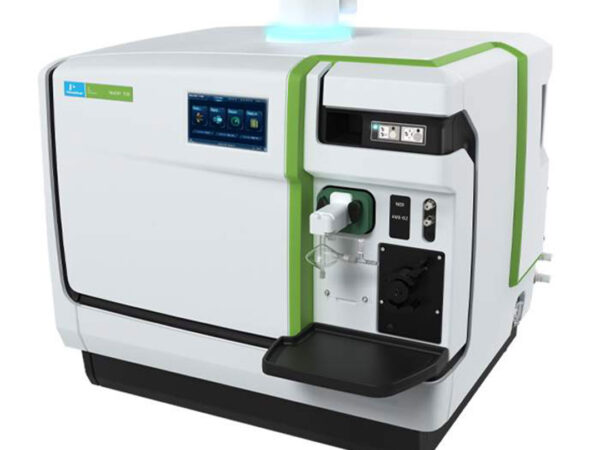
PerkinElmer NexION 1100 ICP Mass Spectrometer
The NexION 1100 ICP Mass Spectrometer from PerkinElmer provides cutting-edge technology for precise and reliable elemental analysis, designed to meet ...
-
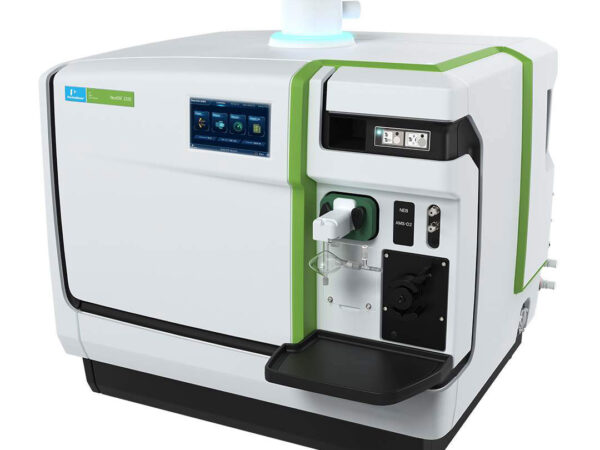
PerkinElmer NexION 2200 ICP Mass Spectrometer
The NexION 2200 ICP Mass Spectrometer by PerkinElmer delivers unparalleled precision and performance in multi-elemental analysis, ensuring accuracy an...
-
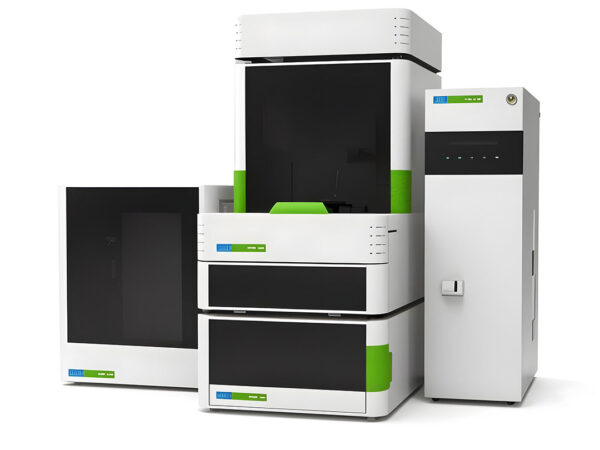
PerkinElmer QSight SP50 High-Pressure Dispenser
The QSight SP50 High-Pressure Dispenser from PerkinElmer is a cutting-edge solution for high-pressure liquid dispensing applications. This instrument ...
-

PerkinElmer QSight® 220 Multi-Opt Dual Source System
The PerkinElmer QSight® 220 Multi-Opt Dual Source System offers innovative dual-source technology, ensuring reliable and high-performance chemical an...
-

PerkinElmer QSight 210 Single Source System
The PerkinElmer QSight 210 Single Source System offers unmatched precision and efficiency in mass spectrometry, enabling seamless workflows and accura...
-

PerkinElmer QSight 110 Single Source System
The QSight 110 Single Source System from PerkinElmer is designed to deliver accurate, high-throughput liquid chromatography-mass spectrometry (LC-MS) ...
-
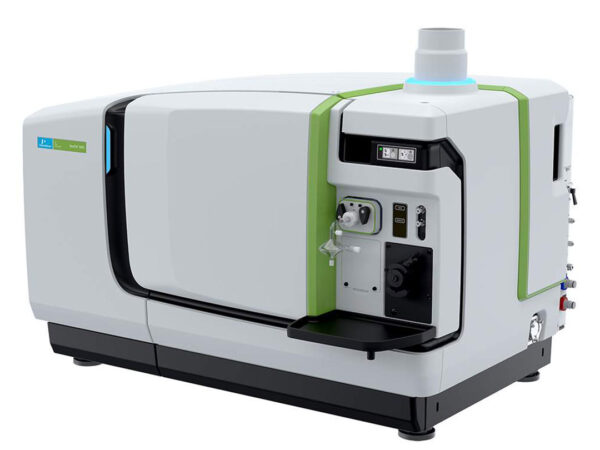
PerkinElmer NexION 5000
The PerkinElmer NexION 5000 ICP-MS is designed to deliver unparalleled sensitivity and precision for elemental analysis, ensuring consistent, accurate...
-
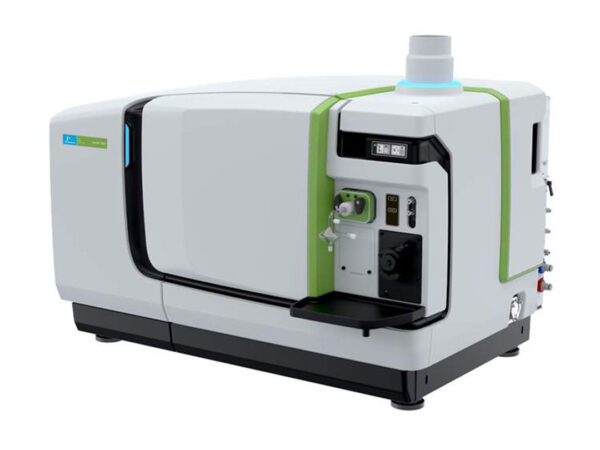
PerkinElmer NexION 5000 Model B
The PerkinElmer NexION 5000 Model B is an advanced inductively coupled plasma mass spectrometer (ICP-MS) engineered for unmatched precision in trace e...
-
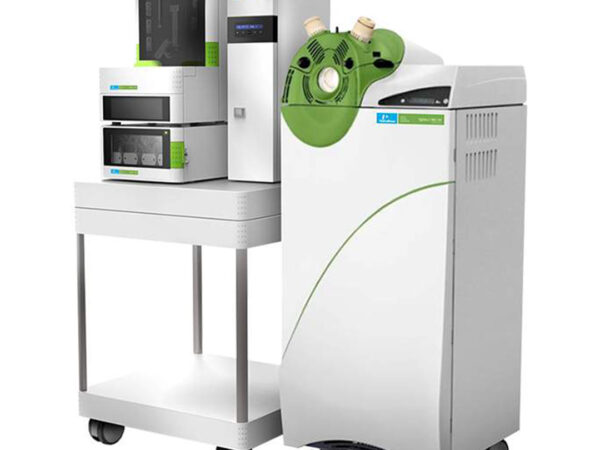
PerkinElmer QSight 420 Multi-Opt Dual Source System
The QSight 420 Multi-Opt Dual Source System by PerkinElmer is designed for laboratories demanding high-performance mass spectrometry with exceptional ...
-

Shimadzu GCMS-TQ8050 NX
The GCMS-TQ8050 NX by Shimadzu is a state-of-the-art triple quadrupole GC-MS/MS system designed to deliver high sensitivity, precision, and reliabilit...
-
Shimadzu GCMS-TQ8040 NX
The GCMS-TQ8040 NX features Smart MRM and Smart Database for automated method development, maximizing sensitivity for precise analysis in various fiel...
-

Shimadzu GCMS-QP2050
The Shimadzu GCMS-QP2050 is a high-end single quadrupole GC-MS system, offering excellent sensitivity, stability, and robustness for a wide range of a...