

FT-ICR MS (Fourier Transform Ion Cyclotron Resonance Mass Spectrometry)
Fourier transform ion cyclotron resonance mass spectrometry (FT-ICR MS) is an advanced analytical method that delivers exceptionally high mass resolution and detailed structural information for complex molecules. The principle relies on determining the mass-to-charge ratio (m/z) of ions by tracking their cyclotron motion within a magnetic field. The resulting oscillation frequencies, generally ranging from hundreds of kilohertz to several megahertz, can be recorded with great precision using modern detection electronics. This capability allows measurement of ion masses with an accuracy of about ±0.000005 amu, corresponding to roughly 5 ppm.read more
Key Features Fourier Transform Ion Cyclotron Resonance Mass Spectrometry
- In FT-ICR MS, the detection process is non-destructive, enabling experiments such as multi-stage mass spectrometry (MSⁿ), ion–molecule interactions, and isotope exchange studies. Furthermore, an infrared laser can be directed into the ICR cell to intersect the trapped ion packet, allowing the acquisition of infrared spectra via photofragmentation.
- The mass spectrometer features a comprehensive database of expert odor profiles, ultra-sensitive analysis with multiple column options, threshold detection through multiple reaction monitoring (MRM) and selected ion monitoring (SIM) modes, and a predicted retention time display function.
- The system offers a dynamic range exceeding five orders, mass accuracy better than 2 ppm, and resolution greater than 60,000 (R). It delivers high sensitivity with a signal-to-noise ratio of at least 200:1 for 20 fg of 2,3,7,8-tetrachlorodibenzo-p-dioxin. In addition, it is equipped with turbo molecular pumps and advanced software for automated tuning and quantitative analysis.
- This instrument enables simultaneous measurement of all five argon isotopes, offering high sensitivity, advanced detection technologies, and exceptional precision for noble gas isotope ratio analysis. Its compact design, innovative emission suppression and amplifier technologies, and fully integrated software provide unmatched stability, flexibility, and control for a wide range of applications.
Applications FT-ICR High-Resolution Mass Spectrometry
- High-resolution characterization of protein assemblies: FT-ICR mass spectrometry enables precise determination of protein oligomerization states by resolving isotopic distributions, thereby distinguishing between monomers, dimers, and higher-order assemblies. Its ultrahigh resolution also allows detection of subtle mass shifts, such as those caused by disulfide bond formation, providing critical insights into protein structure and interactions.
- Metal ion binding: The technique enables precise characterization of protein–metal ion interactions, even in complex mixtures with subtle mass differences. It allows differentiation of overlapping isotope distributions, revealing cooperative binding events and metal-induced structural variations in proteins.
- Conformational analysis: FT-ICR-MS, combined with hydrogen/deuterium (H/D) exchange, enables the detection and resolution of multiple protein conformations by distinguishing overlapping isotope distributions with ultrahigh accuracy. It also provides insights into structural dynamics, such as folding states and ligand-induced conformational changes, at both solution and gas phases.
- Electron capture dissociation: The method, combined with electron capture dissociation (ECD), enables extensive peptide and protein sequencing by producing high sequence coverage and preserving post-translational modifications. It further helps in the identification of specific bond cleavages, including disulfide bonds, which are difficult to resolve with other dissociation techniques.
- Sustained off-resonance irradiation collision-induced dissociation (SORI-CID) of protein complexes: FT-ICR-MS combined with SORI-CID enables the controlled dissociation of protein complexes in the gas phase, providing insights into quaternary structure and subunit interactions. This approach preserves information about solution-phase memory, allowing the identification of specific binding sites, salt bridges, and stability differences among protein–ligand assemblies.
- Characterization of natural organic matter: The mass spectrometry method provides molecular characterization of natural organic matter (NOM), enabling precise formula assignment and component classification despite its inherent complexity. Coupled with complementary analytical methods, FT-ICR MS enhances confidence in compositional analysis and offers deep insights into NOM structure and properties.
- Clinical, food, and environmental research: FT-ICR MS enables the high-confidence identification of metabolites and proteins associated with diseases such as Alzheimer’s and type 2 diabetes. Beyond human health, it has been applied to plant and animal metabolomics, aiding in the characterization of complex metabolomes and the development of new reference databases. Additionally, FT-ICR MS is increasingly used in food, beverage, and environmental studies, where its high resolution and isotopic fine structure analysis support authentication, contaminant detection, and monitoring of ecological processes.
Showing all 12 results
Category
- Bioreactors+
- Parallel Bioreactors
- Single-Use Bioreactors
- Stirred-Tank Bioreactors
- Capillary Electrophoresis Instruments+
- Capillary Gel Electrophoresis (CGE)
- Capillary Isoelectric Focusing (CIEF)
- Capillary Zone Electrophoresis (CZE)
- Cell Counters and Analyzers+
- Automated Cell Counters
- Manual Cell Counters
- Cellular Imaging Systems+
- Fluorescence Imaging Systems
- High-Content Imaging Systems
- Live-Cell Imaging Systems
- Centrifuges+
- Benchtop Centrifuges
- Clinical Centrifuges
- Micro Centrifuges
- Refrigerated Centrifuges
- Ultracentrifuges
- Chromatography Instruments+
- Gas Chromatography
- Ion Chromatography
- Liquid Chromatography
- Flow Cytometer+
- Cell Analyzers
- Cell Isolation Systems
- Cell Sorters
- High-Throughput Flow Cytometers
- Imaging Flow Cytometry
- Personal Flow Cytometers
- Portable/Benchtop Flow Cytometers
- Spectral Flow Cytometers
- Laboratory Incubators+
- CO2 Incubators
- Dry Bath Incubators
- Hypoxia Incubators and Chambers
- Incubator Shakers
- Laboratory Ovens
- Portable Incubators
- Thermal Mixers
- Laboratory Microscopes+
- Atomic Force Microscopes (AFM)
- Automated Modular Microscopes
- Compound Microscopes
- Confocal Microscopes
- Digital Microscopes
- Fluorescence Microscopes
- Inverted Microscopes
- Live Cell Imaging Microscopes
- Metallurgical Microscopes
- Multiphoton Microscopes
- Polarizing Microscopes
- Raman Microscopes
- Scanning Electron Microscopes (SEM)
- Stereo Microscopes
- Super-Resolution Microscopes
- Transmission Electron Microscopes (TEM)
- Upright Microscopes (Neuroscience)
- Liquid Handlers+
- Automated Pipetting Systems
- Multi-Channel Liquid Handlers
- Robotic Liquid Handlers
- Variable Volume Pipetting Systems
- Mass Spectrometers+
- Ambient Ionization
- APCI MS
- ESI MS
- FT ICR MS
- ICP MS
- Orbi Trap MS
- Quadrupole MS
- Time-of-Flight MS
- Microarray Scanners+
- DNA Microarray Scanners
- Laser-Based Microarray Scanners
- Microplate Readers+
- Absorbance Microplate Readers
- Fluorescence Microplate Readers
- Luminescence Microplate Readers
- Multimode Microplate Readers
- Particle Counters and Analyzers+
- Airborne Particle Counters
- Laser Diffraction Analyzers
- Liquid Particle Counters
- Nanoparticle Analyzers
- Portable Particle Counters
- Remote Particle Counters
Brand
- ACCU-SCOPE
- Agilent
- Airmodus
- Alphasense
- Analytik Jena
- ARGO-HYTOS
- Arrayit
- Aurora Biomed Inc.
- Azure Biosystems
- Baker
- BD Biosciences
- Beckman Coulter
- Beijing Challen Biotechnology
- Binder
- Bio-Techne
- Biobase
- BioRad
- BMG Labtech
- Bruker
- Celestron
- Cellbox
- Centurion Scientific Ltd
- ChemoMetec
- CleanAir
- Cleatech
- Corning
- Countstar
- CS Instruments
- CUBIC
- Cytek Biosciences
- Cytena
- Cytiva
- Data Technologies
- Descase
- Electrolab Biotech
- Eppendorf
- Euromex
- Evident
- Fermex
- Fluke
- Formulatrix
- Getinge
- Gilson
- GPC Bio
- Haier Biomedical
- Hamilton Company
- Hettich
- Hitachi High-Tech
- Hudson Robotics Inc.
- Hydro
- INFORS HT
- Innopsys
- Jasco
- Jeiotech
- JEOL
- Kanomax
- Keyence
- KNAUER
- LAB-KITS
- Labomed
- Labwit
- Leco
- Leica
- Lighthouse
- Logos Biosystems
- LOSI
- Lumex Instruments
- Luminex
- Malvern Panalytical
- Meiji Techno
- Memmert
- Merck
- Mettler-Toledo International Inc.
- Miltenyi Biotec
- Molecular Devices
- Motic
- MP Filtri
- MSE (Medical and Scientific Equipment)
- NCI
- Nikon Instruments
- NuAire
- ORFLO Technologies
- Oxford Instruments
- PAMAS
- Particle Measuring Systems
- Particles Plus
- PBS Biotech
- PCE instruments
- PerkinElmer
- PharSol
- PHCbi
- Prior Scientific
- Promega
- Qiagen NV
- Revvity
- RION
- Sartorius
- SATAKE
- Sciex
- Sebia
- SETA
- Setra
- Shimadzu
- SIBATA
- Sigma Laborzentrifugen GmbH
- Solaris Biotech
- Solida Biotech
- Sony Biotechnology Inc.
- SPT Labtech Ltd
- Stratedigm Inc.
- Sysmex Corporation
- Tecan
- TES
- Thermo Fisher Scientific
- TSI
- Waters
- Western States Machine Company
- ZEISS
- ZETRON
-

Shimadzu GCMS Off-Flavor Analyzer
The GCMS Off-Flavor Analyzer is a comprehensive solution that identifies and quantifies substances responsible for odors. It features a database of od...
-
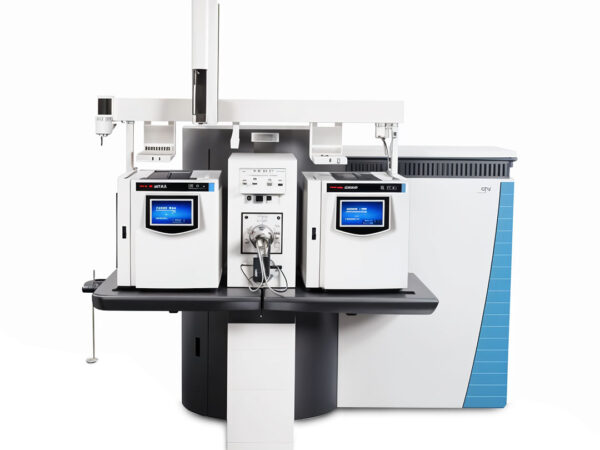
Thermo Fisher Scientific DFS™ Magnetic Sector GC-HRMS System
The Thermo Scientific™ DFS Magnetic Sector GC-HRMS System is a gold-standard instrument offering exceptional sensitivity and resolution for dioxin a...
-
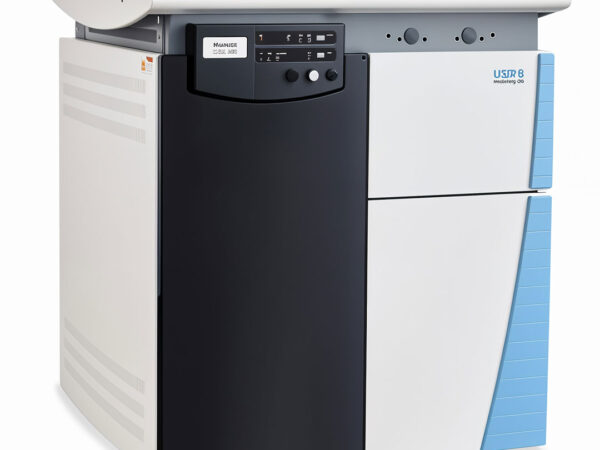
Thermo Fisher Scientific DELTA™ Q Isotope Ratio Mass Spectrometer
The DELTA™ Q Isotope Ratio Mass Spectrometer by Thermofisher delivers exceptional accuracy and performance for isotope ratio analysis, ensuring high...
-
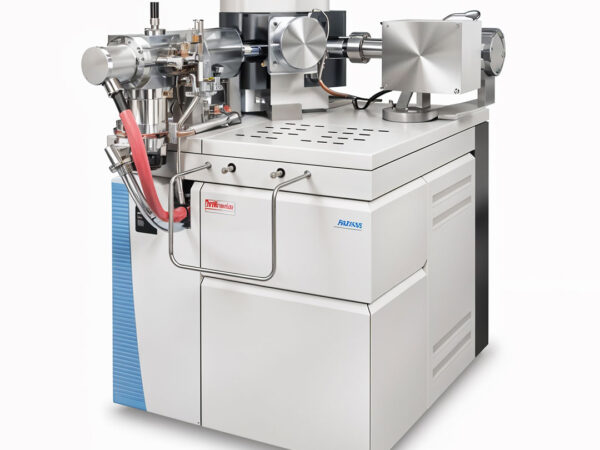
Thermo Fisher Scientific 253 Plus 10 kV Isotope Ratio MS
The Thermo Fisher 253 Plus 10 kV Isotope Ratio Mass Spectrometer is a state-of-the-art instrument designed for precise and accurate isotope analysis.
-

Thermo Fisher Scientific Ultra High Resolution IRMS
The Ultra High Resolution IRMS by Thermofisher is a state-of-the-art instrument designed for precise isotopic analysis. With unparalleled resolution a...
-

Thermo Fisher Scientific Argus VI™ Static Vacuum Noble Gas Mass Spectrometer
The Thermo Fisher Argus VI™ Static Vacuum Noble Gas Mass Spectrometer offers cutting-edge technology for precise isotopic ratio measurements. Engine...
-

Thermo Fisher Scientific Helix SFT™ Split Flight Tube Noble Gas Mass Spectrometer
The Helix SFT™ Split Flight Tube Noble Gas Mass Spectrometer by Thermo Fisher is designed to deliver exceptional precision in noble gas isotopic ana...
-

Thermo Fisher Scientific Helix MC Plus™ Multicollector Noble Gas Mass Spectrometer
The Helix MC Plus™ Multicollector Noble Gas Mass Spectrometer from Thermo Fisher Scientific is engineered to deliver exceptional performance for nob...
-
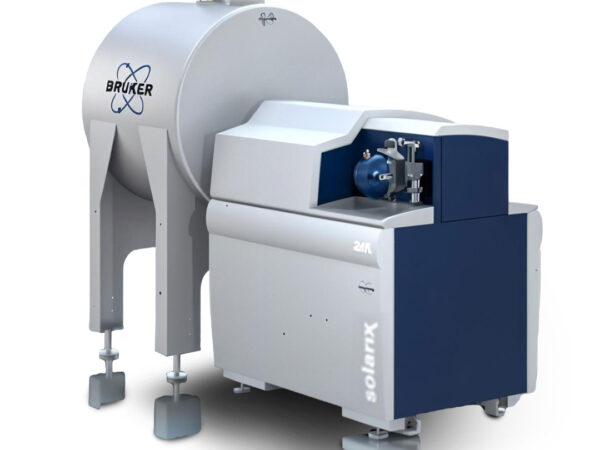
Bruker SOLARIX
The Bruker SOLARIX is a state-of-the-art MRMS mass spectrometer offering unparalleled sensitivity and resolution for a wide range of applications. It ...
-

Bruker SCiMαX
SCiMαX by Bruker is a state-of-the-art mass spectrometry system designed for precise molecular analysis. It integrates innovative MRMS technology to ...
-
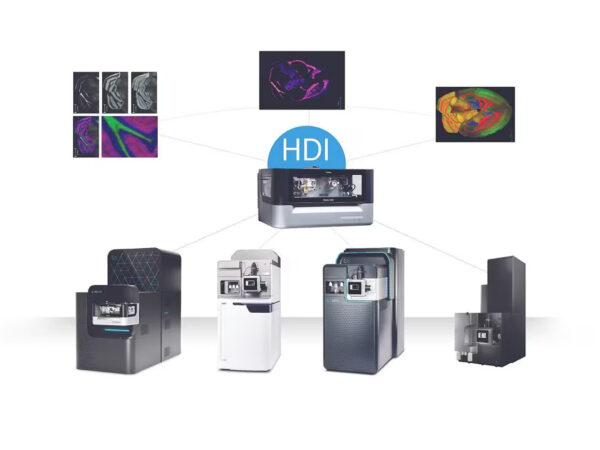
Waters Mass Spectrometry Imaging (MSI)
MS Imaging technology enables high-resolution spatial molecular analysis for tissues and materials.
-

Leco Pegasus GC-HRT (High Resolution GC-TOFMS)
The LECO Pegasus GC-HRT is a high-resolution time-of-flight mass spectrometer (GC-HRT) offering superior mass accuracy, sensitivity, and speed for com...