

ICP-MS - Inductively Coupled Plasma Mass Spectrometry for Elemental Analysis
Inductively coupled plasma mass spectrometry or ICP-MS is an exceptionally sensitive technique designed to detect and measure trace elements in a wide range of samples. In ICP-MS, plasma that is coupled inductively is used to ionize a given sample, and the resulting ions are separated and quantified by a mass spectrometer. Its ability to achieve very low detection limits and high throughput makes ICP-MS particularly valuable for trace metal analysis and environmental monitoring. Key components of an ICP-MS system typically include:read more
- A sample introduction system
- An ion source
- A vacuum system
- A collision/reaction cell
- Ion optics
- A mass analyzer (commonly a quadrupole)
- A detector
Key Features of Inductively Coupled Plasma Mass Spectrometry
- ICP-MS is characterized by a working range spanning nine orders of magnitude, detection limits in the sub-parts-per-trillion (ppt) range, and the capability for isotopic analysis.
- The mass spectrometry system delivers high sensitivity and minimizes molecular interferences through optimized collision cell design and internal ion path geometry. It also includes advanced method development and diagnostic tools, a low-cost plasma system, and easily maintainable interfaces and sample injection components for efficient and reliable trace element analysis.
- The ICP-MS system combines high analytical performance with eco-friendly operation by reducing argon consumption and enabling high-throughput measurements with minimal manual intervention. It also features automated rinsing, spectral interference correction, aerosol dilution, signal stabilization, and preset methods for common analyses.
- The systems offer precise control over reaction chemistry, effectively resolving isobaric and polyatomic interferences for reliable multi-element analysis.
- The ICP-MS machine enables direct analysis of high-solids samples, reducing sample preparation and dilution time while efficiently removing polyatomic and doubly charged interferences for reliable results. Integrated software and hardware features streamline method setup, automate maintenance alerts, and simplify data review, enhancing overall laboratory efficiency and throughput.
- The ICP-MS instrument achieves 1500 Mcps/ppm with CeO formation below 2%, while consuming only half the argon compared to conventional instruments. It also offers 50% higher sample throughput, robust long-term stability across different matrices, and versatility for both research and routine analyses.
- The automation system fully integrates sample introduction, dilution, and valve management to streamline high-throughput analysis, reduce manual intervention, and minimize the risk of errors, while optimizing turnaround time and overall laboratory efficiency. A centralized ICP-MS analysis software provides comprehensive control of all components from a single interface, supports regulatory compliance, and promotes sustainability by reducing reagent consumption, power usage, and the need for disposable labware.
Applications of Inductively Coupled Plasma Mass Spectrometers
- Environmental analysis: ICP-MS is widely used in environmental monitoring due to its ability to detect trace metals at extremely low concentrations. It is commonly employed to analyze water, soil, and air samples for heavy metals such as lead, cadmium, and arsenic. These measurements help assess pollution levels, monitor industrial effluents, and ensure compliance with environmental regulations such as EPA 200.8.
- Food and agriculture: In the food and agricultural sector, ICP-MS applications in this field enable precise quantification of essential and toxic elements in crops, beverages, and processed foods. It is also used to detect contamination by heavy metals in imported or exported foods and to analyze nutritional content, including elements like iron, zinc, and selenium.
- Pharmaceutical and clinical analysis: ICP-MS is valuable in pharmaceutical research and clinical studies for trace element analysis in drugs, dietary supplements, and biological fluids. It is used to monitor impurities during pharmaceutical production and to perform isotopic analysis for medical research, including the tracking of radiotracers.
- Geochemistry and mining: Geochemists use ICP-MS to analyze rocks, soil, and mineral samples for exploration and resource evaluation. It allows accurate measurement of rare earth elements (REEs) and isotopic ratios, which can help track geochemical processes and support mineral resource assessment.
- Nuclear and isotope studies: ICP-MS plays a critical role in nuclear research by enabling precise isotope ratio determination, which is essential for radiometric dating. It is also used to detect trace radioactive isotopes in environmental or biological samples and in nuclear forensics for monitoring fuel or waste.
- Industrial and material science: ICP-MS is applied in industrial and materials research to ensure the quality and purity of metals, alloys, and electronic materials. It can detect trace contamination in semiconductors and assist in elemental mapping in advanced material studies.
- Forensic and toxicological analysis: Forensic scientists and toxicologists use ICP-MS to detect trace metals in human tissues, hair, and blood. It is instrumental in investigating poisoning cases, assessing environmental exposure, and analyzing metallic residues in crime scene investigations.
Showing 1–12 of 14 results
Category
- Bioreactors+
- Parallel Bioreactors
- Single-Use Bioreactors
- Stirred-Tank Bioreactors
- Capillary Electrophoresis Instruments+
- Capillary Gel Electrophoresis (CGE)
- Capillary Isoelectric Focusing (CIEF)
- Capillary Zone Electrophoresis (CZE)
- Cell Counters and Analyzers+
- Automated Cell Counters
- Manual Cell Counters
- Cellular Imaging Systems+
- Fluorescence Imaging Systems
- High-Content Imaging Systems
- Live-Cell Imaging Systems
- Centrifuges+
- Benchtop Centrifuges
- Clinical Centrifuges
- Micro Centrifuges
- Refrigerated Centrifuges
- Ultracentrifuges
- Chromatography Instruments+
- Gas Chromatography
- Ion Chromatography
- Liquid Chromatography
- Flow Cytometer+
- Cell Analyzers
- Cell Isolation Systems
- Cell Sorters
- High-Throughput Flow Cytometers
- Imaging Flow Cytometry
- Personal Flow Cytometers
- Portable/Benchtop Flow Cytometers
- Spectral Flow Cytometers
- Laboratory Incubators+
- CO2 Incubators
- Dry Bath Incubators
- Hypoxia Incubators and Chambers
- Incubator Shakers
- Laboratory Ovens
- Portable Incubators
- Thermal Mixers
- Laboratory Microscopes+
- Atomic Force Microscopes (AFM)
- Automated Modular Microscopes
- Compound Microscopes
- Confocal Microscopes
- Digital Microscopes
- Fluorescence Microscopes
- Inverted Microscopes
- Live Cell Imaging Microscopes
- Metallurgical Microscopes
- Multiphoton Microscopes
- Polarizing Microscopes
- Raman Microscopes
- Scanning Electron Microscopes (SEM)
- Stereo Microscopes
- Super-Resolution Microscopes
- Transmission Electron Microscopes (TEM)
- Upright Microscopes (Neuroscience)
- Liquid Handlers+
- Automated Pipetting Systems
- Multi-Channel Liquid Handlers
- Robotic Liquid Handlers
- Variable Volume Pipetting Systems
- Mass Spectrometers+
- Ambient Ionization
- APCI MS
- ESI MS
- FT ICR MS
- ICP MS
- Orbi Trap MS
- Quadrupole MS
- Time-of-Flight MS
- Microarray Scanners+
- DNA Microarray Scanners
- Laser-Based Microarray Scanners
- Microplate Readers+
- Absorbance Microplate Readers
- Fluorescence Microplate Readers
- Luminescence Microplate Readers
- Multimode Microplate Readers
- Particle Counters and Analyzers+
- Airborne Particle Counters
- Laser Diffraction Analyzers
- Liquid Particle Counters
- Nanoparticle Analyzers
- Portable Particle Counters
- Remote Particle Counters
Brand
- ACCU-SCOPE
- Agilent
- Airmodus
- Alphasense
- Analytik Jena
- ARGO-HYTOS
- Arrayit
- Aurora Biomed Inc.
- Azure Biosystems
- Baker
- BD Biosciences
- Beckman Coulter
- Beijing Challen Biotechnology
- Binder
- Bio-Techne
- Biobase
- BioRad
- BMG Labtech
- Bruker
- Celestron
- Cellbox
- Centurion Scientific Ltd
- ChemoMetec
- CleanAir
- Cleatech
- Corning
- Countstar
- CS Instruments
- CUBIC
- Cytek Biosciences
- Cytena
- Cytiva
- Data Technologies
- Descase
- Electrolab Biotech
- Eppendorf
- Euromex
- Evident
- Fermex
- Fluke
- Formulatrix
- Getinge
- Gilson
- GPC Bio
- Haier Biomedical
- Hamilton Company
- Hettich
- Hitachi High-Tech
- Hudson Robotics Inc.
- Hydro
- INFORS HT
- Innopsys
- Jasco
- Jeiotech
- JEOL
- Kanomax
- Keyence
- KNAUER
- LAB-KITS
- Labomed
- Labwit
- Leco
- Leica
- Lighthouse
- Logos Biosystems
- LOSI
- Lumex Instruments
- Luminex
- Malvern Panalytical
- Meiji Techno
- Memmert
- Merck
- Mettler-Toledo International Inc.
- Miltenyi Biotec
- Molecular Devices
- Motic
- MP Filtri
- MSE (Medical and Scientific Equipment)
- NCI
- Nikon Instruments
- NuAire
- ORFLO Technologies
- Oxford Instruments
- PAMAS
- Particle Measuring Systems
- Particles Plus
- PBS Biotech
- PCE instruments
- PerkinElmer
- PharSol
- PHCbi
- Prior Scientific
- Promega
- Qiagen NV
- Revvity
- RION
- Sartorius
- SATAKE
- Sciex
- Sebia
- SETA
- Setra
- Shimadzu
- SIBATA
- Sigma Laborzentrifugen GmbH
- Solaris Biotech
- Solida Biotech
- Sony Biotechnology Inc.
- SPT Labtech Ltd
- Stratedigm Inc.
- Sysmex Corporation
- Tecan
- TES
- Thermo Fisher Scientific
- TSI
- Waters
- Western States Machine Company
- ZEISS
- ZETRON
-
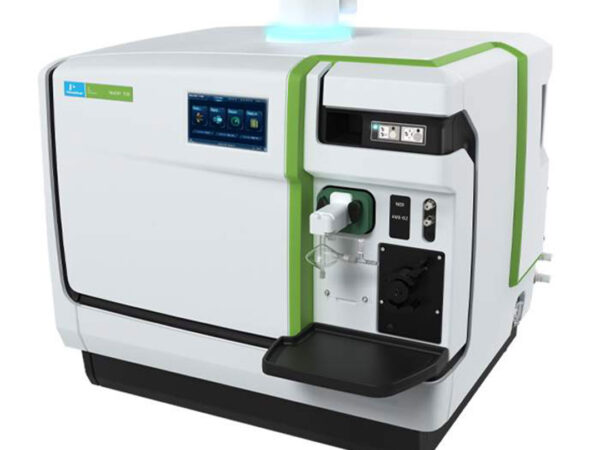
PerkinElmer NexION 1100 ICP Mass Spectrometer
The NexION 1100 ICP Mass Spectrometer from PerkinElmer provides cutting-edge technology for precise and reliable elemental analysis, designed to meet ...
-
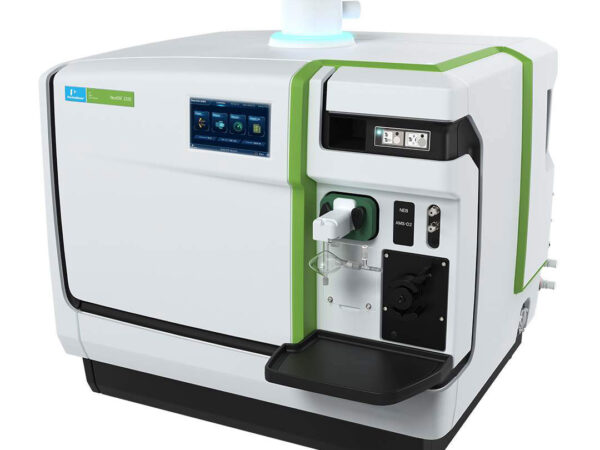
PerkinElmer NexION 2200 ICP Mass Spectrometer
The NexION 2200 ICP Mass Spectrometer by PerkinElmer delivers unparalleled precision and performance in multi-elemental analysis, ensuring accuracy an...
-
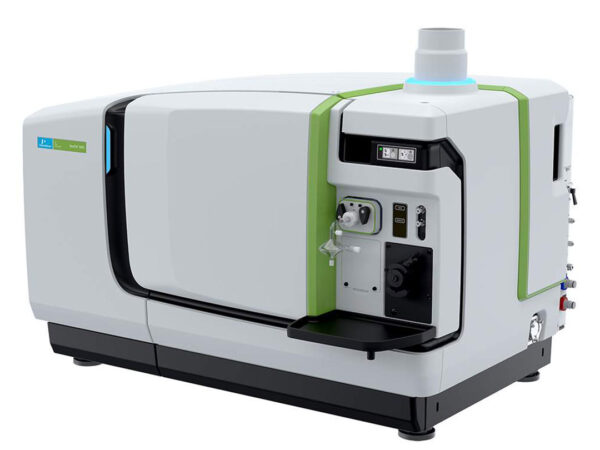
PerkinElmer NexION 5000
The PerkinElmer NexION 5000 ICP-MS is designed to deliver unparalleled sensitivity and precision for elemental analysis, ensuring consistent, accurate...
-
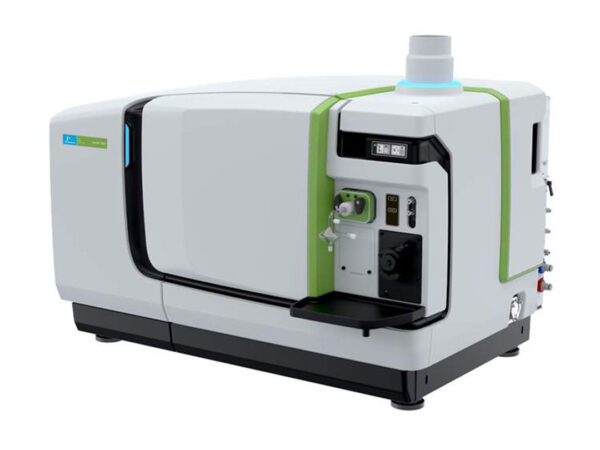
PerkinElmer NexION 5000 Model B
The PerkinElmer NexION 5000 Model B is an advanced inductively coupled plasma mass spectrometer (ICP-MS) engineered for unmatched precision in trace e...
-

Thermo Fisher Scientific Neoma™ Multicollector ICP-MS
The Neoma™ Multicollector ICP-MS system offers exceptional precision and sensitivity for isotope ratio analysis, empowering research in geochemistry...
-

Thermo Fisher Scientific Neoma™ MS/MS MC-ICP-MS
The Neoma™ MS/MS MC-ICP-MS from Thermofisher offers advanced capabilities for multi-collector inductively coupled plasma mass spectrometry. Ideal fo...
-

Thermo Fisher Scientific iCAP™ TQe ICP-MS
The iCAP™ TQe ICP-MS from ThermoFisher Scientific is a triple quadrupole inductively coupled plasma mass spectrometer designed to deliver superior p...
-

Thermo Fisher Scientific iCAP™ TQ ICP-MS
The iCAP™ TQ ICP-MS is an advanced triple quadrupole inductively coupled plasma mass spectrometer designed to deliver superior sensitivity, accuracy...
-

Thermo Fisher Scientific iCAP™ TQs ICP-MS
The Thermo Fisher iCAP™ TQs ICP-MS is an advanced inductively coupled plasma mass spectrometer engineered for precise and accurate multi-element ana...
-

Thermo Fisher Scientific Element™ Series HR-ICP-MS (with Element 2)
The Element™ Series HR-ICP-MS is a high-resolution inductively coupled plasma mass spectrometer designed to deliver superior precision, accuracy, an...
-
Thermo Fisher Scientific Element™ Series HR-ICP-MS (with Element XR)
The Element™ Series HR-ICP-MS by ThermoFisher offers advanced high-resolution inductively coupled plasma mass spectrometry, enabling precise quantif...
-

Thermo Fisher Scientific Element GD Plus™ GD-MS
The Thermofisher Element GD Plus™ Glow Discharge Mass Spectrometer (GD-MS) provides high-sensitivity, high-precision analysis for trace elements in ...